Replacing a roof isn’t exactly the kind of thing you plan for over the weekend. It’s one of the biggest investments homeowners make, and understandably so, your roof shields your home from sun, wind, rain, and snow. When you start searching for residential roof replacement near me, it’s usually not just curiosity. It’s likely because something has gone wrong, or you’re planning before it does.
This guide covers everything: signs it’s time for replacement, types of materials, how new technology is changing the process, examples of tools and materials being used, plus the undeniable benefits of doing it right.
Top Signs You May Need a Roof Replacement
Roofs aren’t meant to last forever, and waiting too long to replace one can cause serious internal and structural damage to your home.
1. It’s 20 Years or Older
Most asphalt shingle roofs have a lifespan of 20–25 years. If your roof is hitting this age, even if there’s no visible damage, it may be time for an inspection or replacement.
2. Frequent or Widespread Leaks
If you’re noticing multiple leaks, even after repairs, the roof’s waterproofing ability has likely been compromised across the surface.
3. Sagging Roof Deck or Sunlight Through Attic
Sagging or visible beams of sunlight through your attic? These are major red flags that the roof deck has deteriorated and the roof can’t offer proper support anymore.
What Happens During a Residential Roof Replacement
Initial Inspection and Quote
A professional contractor will inspect the current roof, attic ventilation, flashing, and decking. Then you’ll get a quote based on size, slope, materials, and labor.
Removal of Old Roof
The first physical step is tearing off the existing materials: shingles, underlayment, flashing, and sometimes even portions of the roof deck.
Installing New Components
New waterproofing membranes, underlayment, shingles (or metal/tile), flashing, vents, and ridge caps are installed. Many also opt for upgraded ventilation and gutter systems at this stage.
Final Inspection and Clean-Up
Contractors will inspect the work, test flashing seals, and clean up debris, nails, and leftover material from the site.
Modern Technologies in Residential Roof Replacement
Gone are the days of guesswork and pure manual labor. Roofing contractors now rely on high-tech tools to improve accuracy, speed, and durability.
Aerial Roof Measurement Software
Tools like EagleView or Hover use satellite or drone images to measure roof dimensions precisely. This speeds up quoting and reduces measurement errors.
Synthetic Underlayment
New synthetic materials are lighter, more tear-resistant, and waterproof compared to old felt-based options.
Impact-Resistant Shingles
Class 4 impact-rated shingles provide better resistance to hail and wind, lowering long-term maintenance and increasing durability.
Cool Roof Technology
Some shingles and coatings are reflective and designed to reduce heat absorption, keeping homes cooler and more energy-efficient.
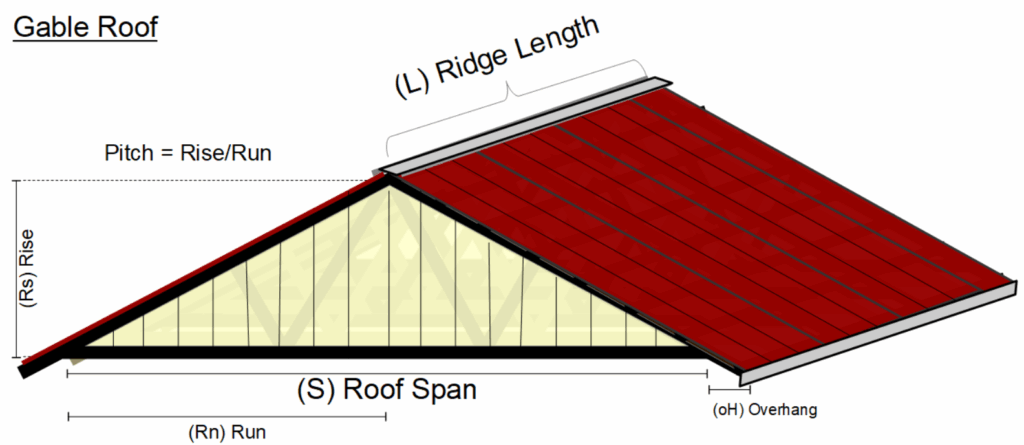
EagleView Roof Measurement Software
Contractors use this platform to measure roof dimensions via satellite or drone imagery.
Why it’s useful: It helps roofers give accurate quotes without climbing up and manually measuring the roof, reducing human error and safety risk.
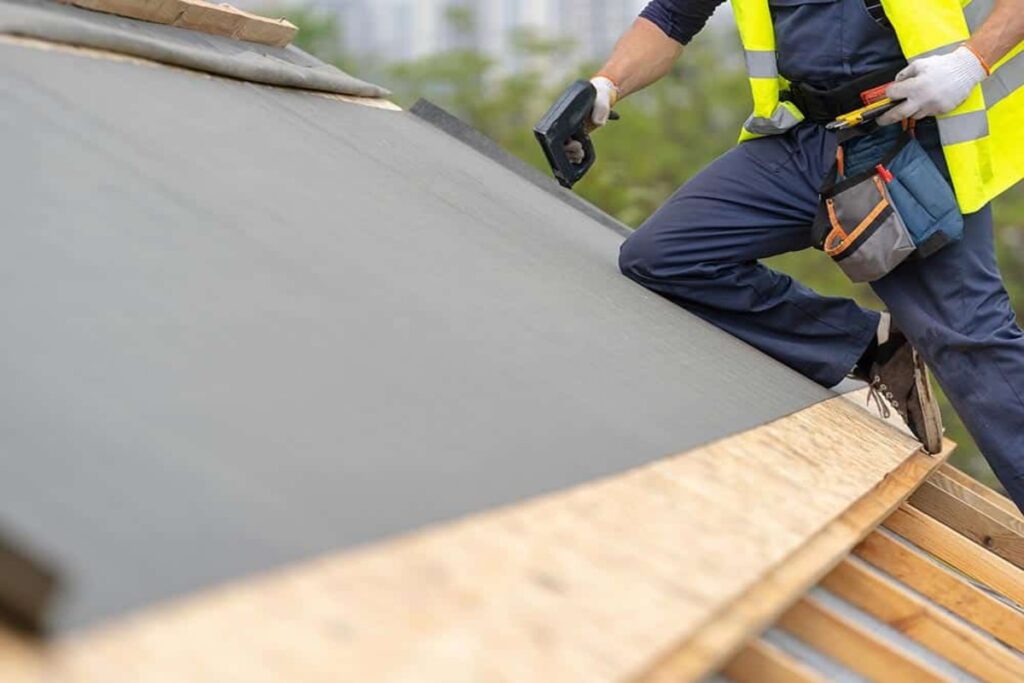
Tyvek Protec Synthetic Underlayment
This underlayment replaces traditional asphalt felt and provides superior water resistance.
Why it’s useful: It lies flat, is easier to install, and offers better protection from wind and moisture.
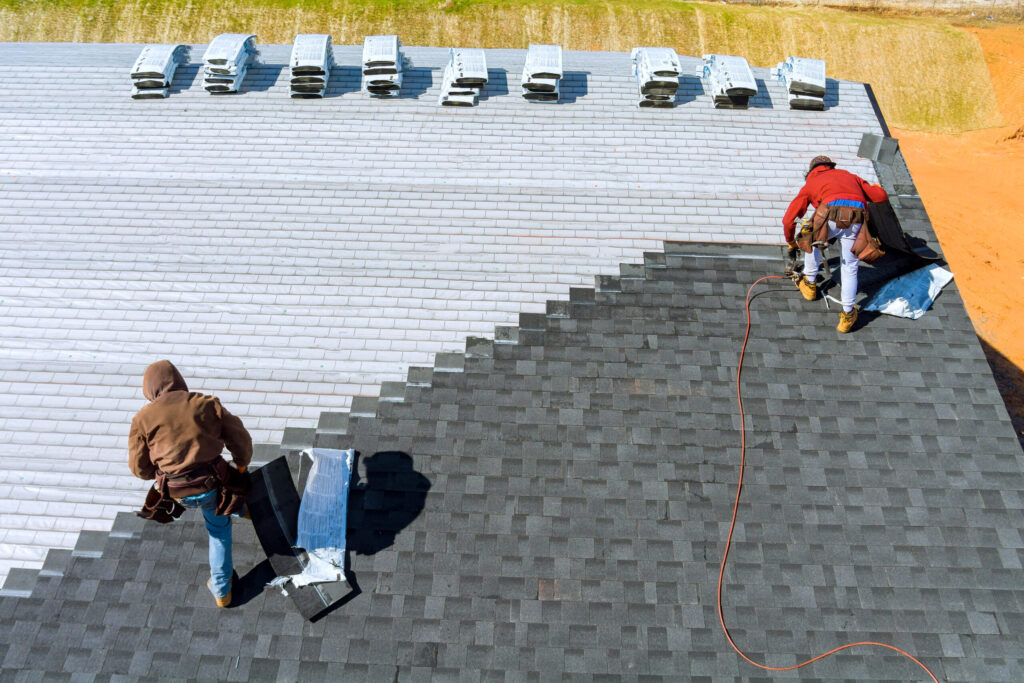
CertainTeed NorthGate Shingles
Made from SBS-modified asphalt, these shingles are flexible and highly resistant to impact from hail.
Why it’s useful: Ideal for storm-prone areas where traditional shingles fail prematurely.
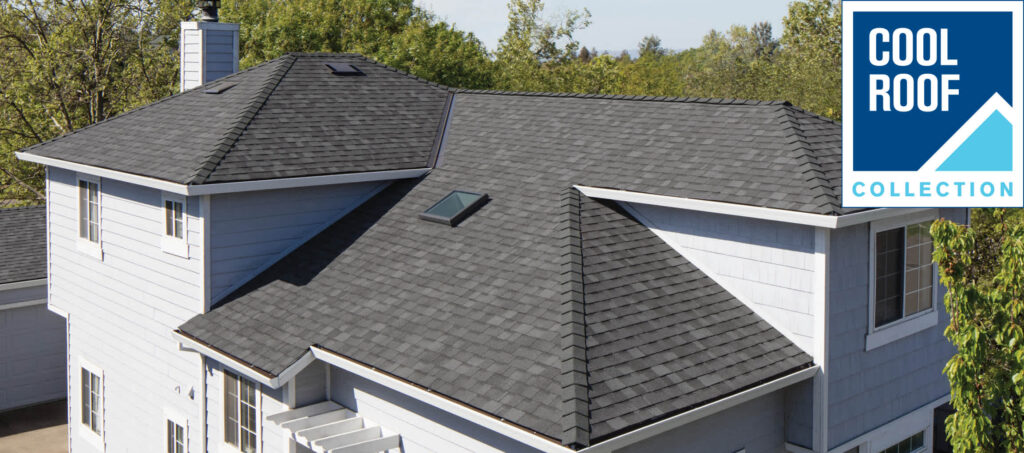
Owens Corning Duration Cool Shingles
These shingles reflect more sunlight and absorb less heat.
Why it’s useful: Helps reduce attic temperature and energy bills in warmer climates.
Benefits of Residential Roof Replacement
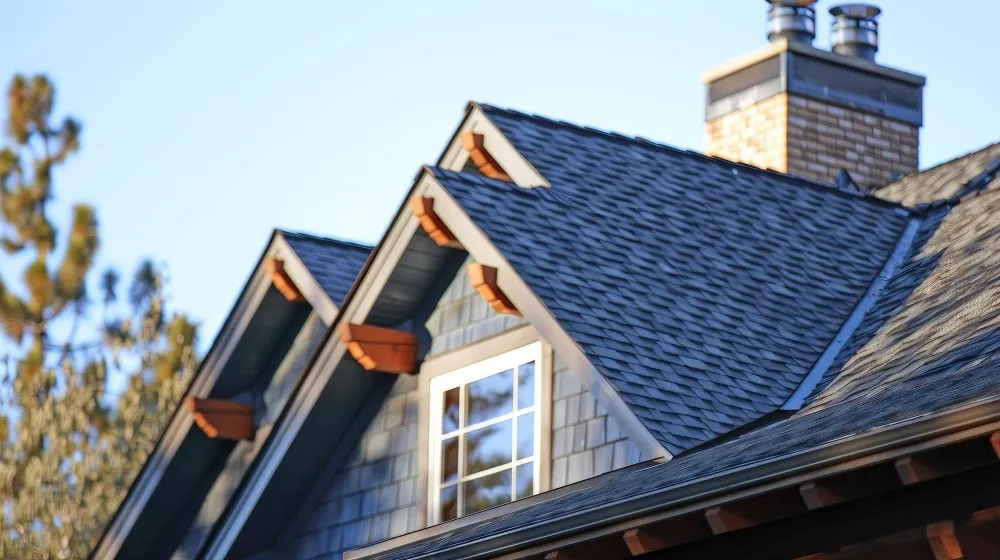
While the price tag might make you wince at first, a roof replacement offers some serious long-term advantages.
1. Improved Home Value and Curb Appeal
A new roof not only looks great, but it also increases the resale value of your home. It’s one of the top upgrades homebuyers look for.
2. Enhanced Energy Efficiency
Modern materials reflect sunlight, seal out drafts, and help maintain internal temperature more efficiently.
3. Better Protection Against Weather
New systems are built to resist wind, rain, hail, and UV rays better than outdated roofs.
4. Peace of Mind for Decades
A professionally installed roof with good warranties means you won’t have to worry about replacements for the next 20–40 years.
Why Homeowners Choose Roof Replacement
Homeowner in Colorado Upgrades After Hailstorm
After a heavy hailstorm cracked and loosened shingles, the homeowner opted for Class 4 impact-resistant shingles and synthetic underlayment. Now the roof is tougher and better insulated.
Growing Family in Arizona Chooses Cool Roof
To reduce energy bills and keep their baby’s room cooler in the summer, this family replaced their aging shingles with reflective materials.
Elderly Couple in Ohio Prepares for Retirement
Wanting to minimize future maintenance, the couple chose a full roof replacement with lifetime-warrantied shingles and upgraded ventilation.
FAQ
Q1: How long does a residential roof replacement take?
Depending on the size and weather conditions, most replacements take 1–3 days. Larger or more complex roofs may take up to a week.
Q2: Can I stay in my home during the replacement?
Yes, although it may be noisy. Most contractors ensure the interior stays protected and debris is contained.
Q3: Does insurance cover roof replacement?
If the damage was caused by a covered event like a storm or fallen tree, most homeowner insurance policies will help cover the costs, minus your deductible.