When your commercial property needs a new roof or serious repair, hiring the right contractor is critical. Unlike residential jobs, commercial roofing requires specific skills, materials, and regulatory compliance. Choosing the right local commercial roofing company ensures the job is done right, safely, and on time. In this article, we’ll explore what makes a company reliable, which technologies set them apart, and give you real-world examples to guide your decision.
Understanding Commercial Roofing and Its Unique Demands
Commercial roofing differs significantly from residential roofing in terms of size, complexity, and materials. These projects often involve flat or low-slope roofs and require long-lasting, durable materials like TPO, EPDM, or modified bitumen.
Maintenance and Regulation Challenges
Due to larger surface areas, commercial roofs need more frequent inspections and preventative maintenance. Plus, building codes and safety regulations vary based on your location, which makes hiring a local expert even more valuable.
Types of Commercial Roofs
Popular options include:
- Built-Up Roofing (BUR)
- Thermoplastic Roof Membranes (TPO and PVC)
- EPDM rubber roofing
- Metal roofing systems
What to Look For in a Local Commercial Roofing Company
Licensing, Insurance, and Certifications
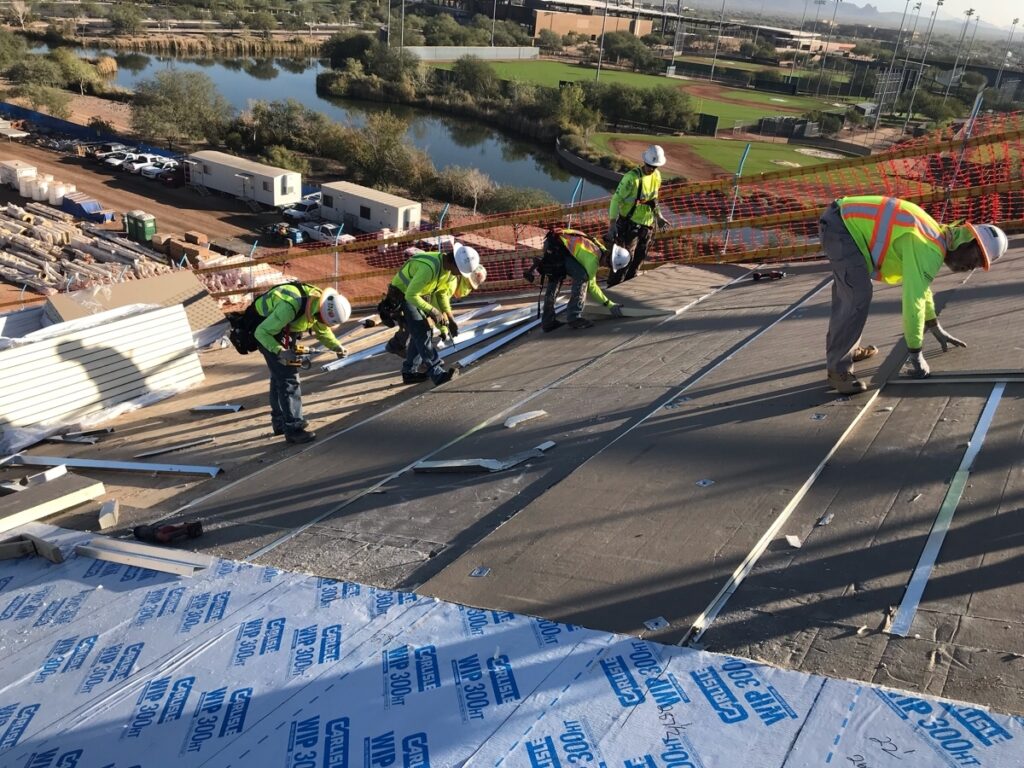
A reputable commercial roofing company should be fully licensed, insured, and often certified by material manufacturers. This ensures they can offer warranties and are trained in proper installation techniques.
Local References and Past Projects
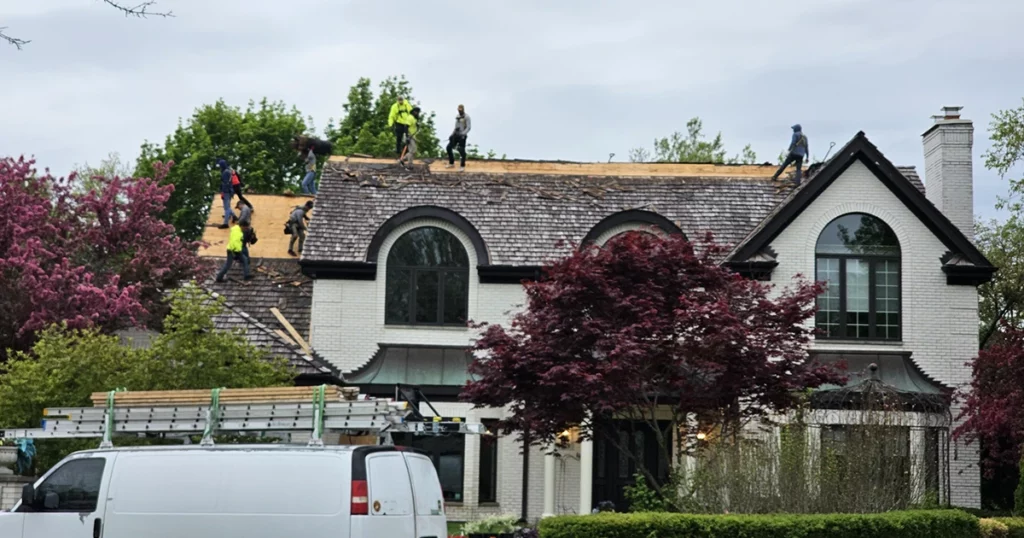
The best local roofing companies should be able to provide testimonials, references, and photos from nearby projects. Proximity also means they understand local weather patterns and building codes.
Full-Service Capabilities
Look for companies offering inspections, repair, installation, maintenance plans, and emergency services. A one-stop shop saves you time and avoids communication gaps.
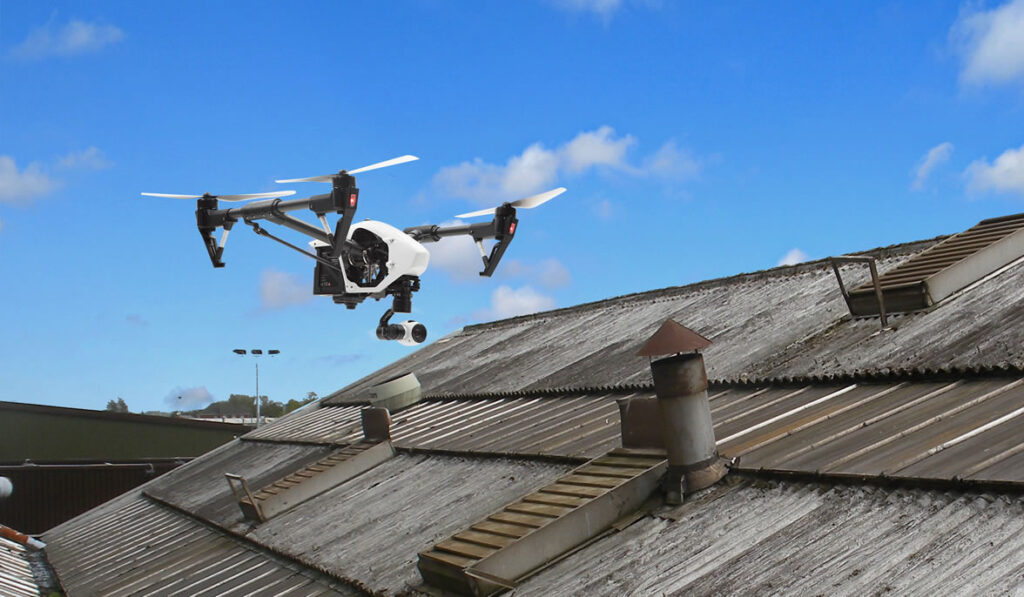
Technology Spotlight: Drone-Assisted Roof Surveys
Modern companies use drones to capture detailed aerial imagery, allowing for fast, safe, and comprehensive assessments.
Why it’s relevant: Drones eliminate the need for scaffolding during inspections and allow teams to spot potential issues before they worsen.
Innovative Tools Used by Top Commercial Roofers
Thermal Imaging Cameras
These detect water infiltration under the membrane without cutting into the roof.
Digital Roofing Platforms
Platforms like Roofr or EagleView provide satellite-based measurements and proposals, which reduce human error.
Core Sample Tools
To assess the layers of roofing materials, contractors may take a core sample for better planning of repair or replacement.
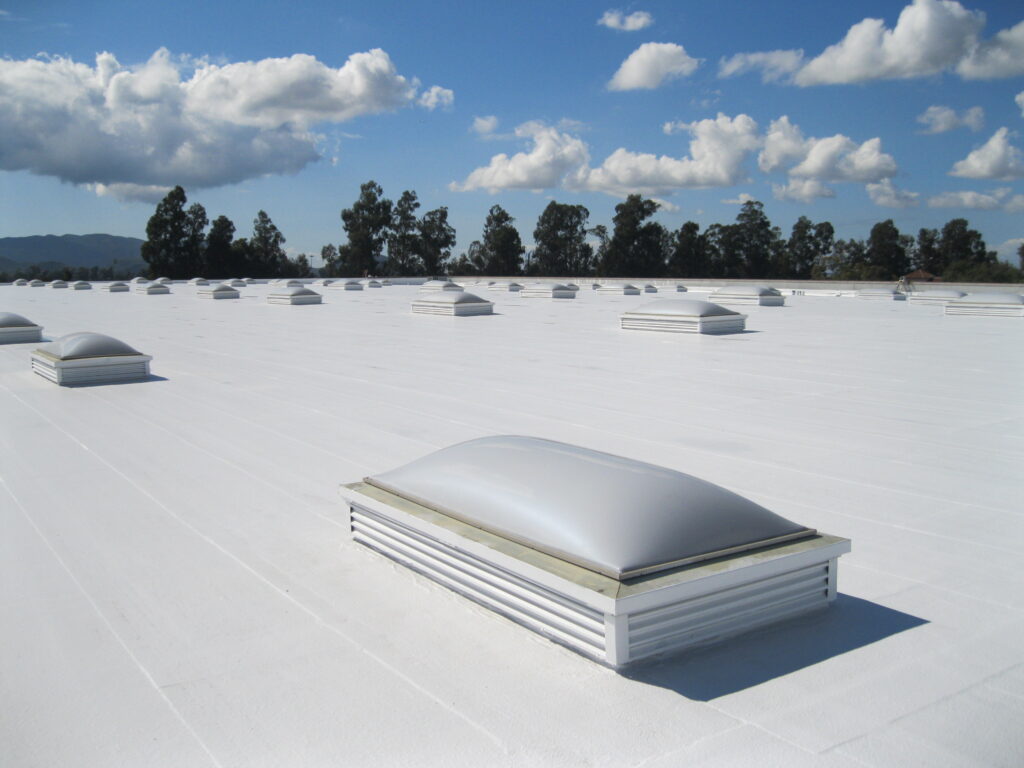
Real-World Example: Dallas, TX – TPO Retrofit for Warehouse
A local warehouse suffered from excessive heat gain. A commercial roofing company retrofitted the space with a reflective TPO system, significantly reducing HVAC costs.
Real-World Example: Chicago, IL – Emergency Flat Roof Repair After Storm
Following a summer storm, a downtown office building had extensive roof leaks. The contractor used infrared technology to pinpoint damage and completed the job in 3 days.
Real-World Example: San Diego, CA – Metal Roof Upgrade for Retail Strip
A shopping plaza wanted a long-lasting upgrade. The contractor replaced asphalt shingles with standing seam metal roofing, boosting aesthetics and reducing future maintenance.
Benefits of Hiring a Local Commercial Roofing Expert
Faster Response Times
Being local means they can respond quickly during emergencies or inspections.
Knowledge of Regional Challenges
Local experts understand temperature shifts, heavy rains, or high winds that affect roofing longevity in your area.
Cost Efficiency
Hiring locally often reduces travel and shipping costs for materials, giving you better pricing.
Support for Local Economy
You’re investing in a business that contributes to your community.
Use Cases Where a Local Roofing Company Saves the Day
Leaky Roof During Rainy Season
Hiring a local team allows for quick action before leaks cause damage to electronics or stored inventory.
End-of-Life Roof Needs Upgrade
Instead of multiple patch jobs, a professional team will assess if a full replacement is more cost-effective.
Preparing for Property Sale
A reliable roof adds to the value and appeal of the commercial property during inspections.
Ongoing Maintenance Contracts
Local contractors can offer routine maintenance plans tailored to your roof’s specific material and age.
FAQ
Q1: How long does a commercial roof usually last?
Depending on material and maintenance, commercial roofs can last 15 to 40 years.
Q2: What is the most common commercial roofing material?
TPO is among the most popular due to its reflectivity, durability, and affordability.
Q3: Do I need permits for commercial roofing work?
Yes, and a good local roofing company will handle all permitting and inspection requirements on your behalf.