Flat roofs aren’t just for commercial buildings anymore. Many modern and minimalist residential homes now feature flat or low-slope roofing systems due to their sleek look, affordability, and ease of maintenance. But finding reliable residential flat roof contractors can be tricky if you don’t know what to look for. This comprehensive guide will walk you through everything you need to know: why flat roofs are different, what to expect from specialized contractors, the role of modern tech, and how to make the right hire for your home.
What Makes Flat Roofs Unique in Residential Settings
Unlike pitched roofs, flat roofs have minimal slope and require specialized materials and installation techniques to ensure durability and water drainage.
1. Drainage is Critical
Flat roofs depend heavily on proper slope engineering and internal or scupper drainage systems. Without these, water can pool and damage the membrane.
2. Roofing Materials Are Different
You won’t find shingles on a flat roof. Instead, contractors use TPO, EPDM rubber, modified bitumen, or built-up roofing (BUR) systems designed to withstand pooling water.
What to Expect from Residential Flat Roof Contractors
Not all roofing pros handle flat roofs. Here’s what makes residential flat roof contractors a specific category worth understanding.
Expertise with Flat Roofing Systems
Look for contractors experienced in installing and maintaining single-ply membranes, built-up systems, or modern cool-roof technologies.
Specialized Equipment and Tools
Flat roof projects require heat welders, roller applicators, specialized sealants, and infrared moisture scanners for repairs.
Knowledge of Local Codes and Weather Conditions
Good contractors understand the importance of local building codes, drainage laws, and materials that suit your area’s weather.
Modern Technologies Used by Flat Roof Contractors
Today’s top contractors don’t just bring a hammer; they bring cutting-edge tools that improve precision, safety, and performance.
Infrared Scanning Tools
Used to detect trapped moisture beneath membranes without cutting into the surface.
Drones for Aerial Inspections
Ideal for safely capturing roof conditions, especially for pre-installation assessment or storm damage documentation.
Self-Adhering Membranes
These products simplify the installation process while increasing adhesion, particularly in tight residential spaces.
Cool Roof Coatings
Highly reflective coatings that lower surface temperature and improve energy efficiency.
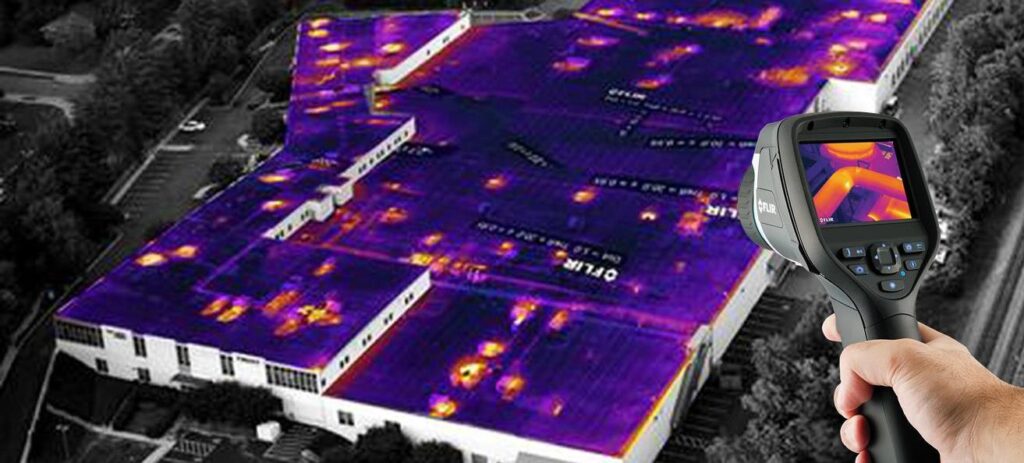
Fluke Infrared Moisture Scanner
Detects moisture under membranes and insulation layers without removing any material.
Why it’s useful: It allows early leak detection, prevents unnecessary removal, and speeds up repair diagnostics.
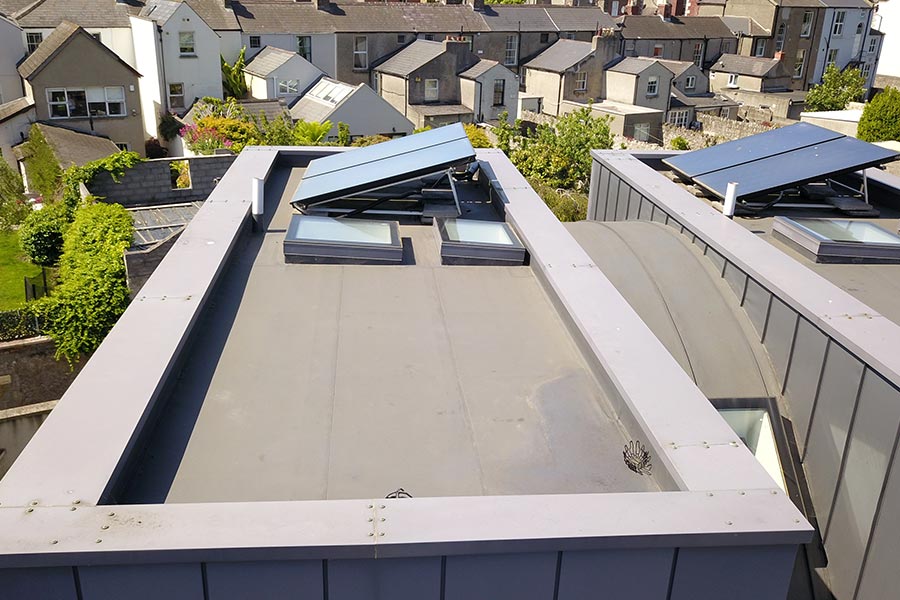
DJI Phantom 4 Pro Drone
Used by contractors for detailed aerial images and roof mapping.
Why it’s useful: Reduces risk, improves inspection accuracy, and ensures better estimates and planning.
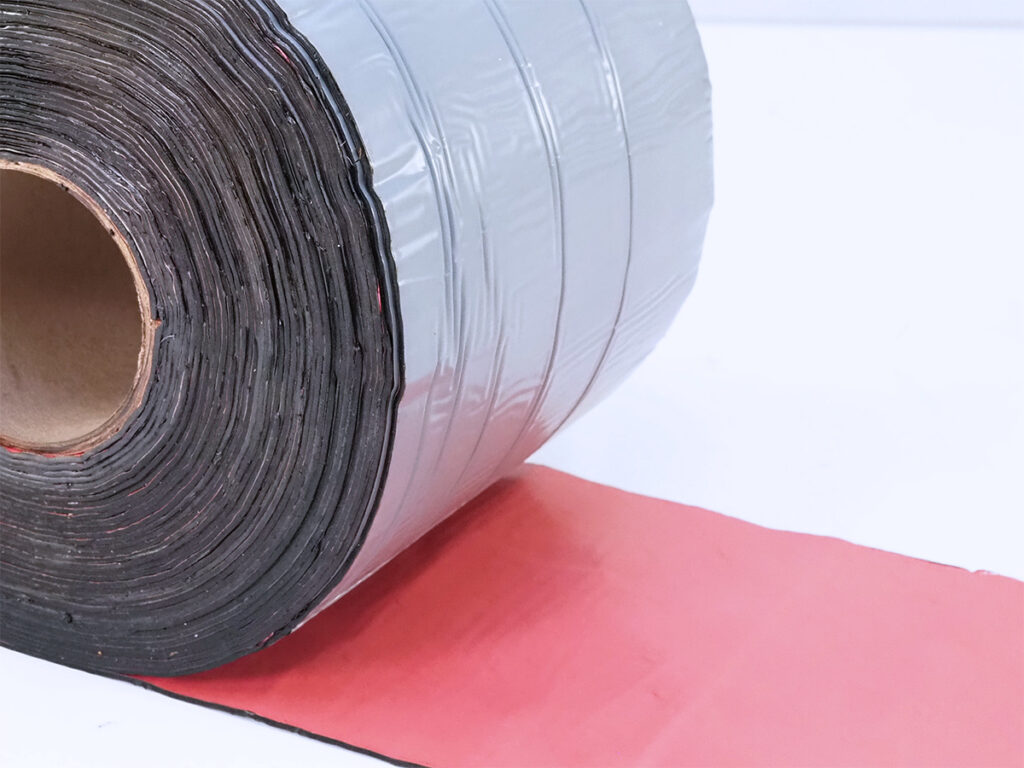
GAF EverGuard SA TPO Membrane
This self-adhering membrane simplifies installation without torches or messy adhesives.
Why it’s useful: Great for tight residential areas or where fire safety is a concern.
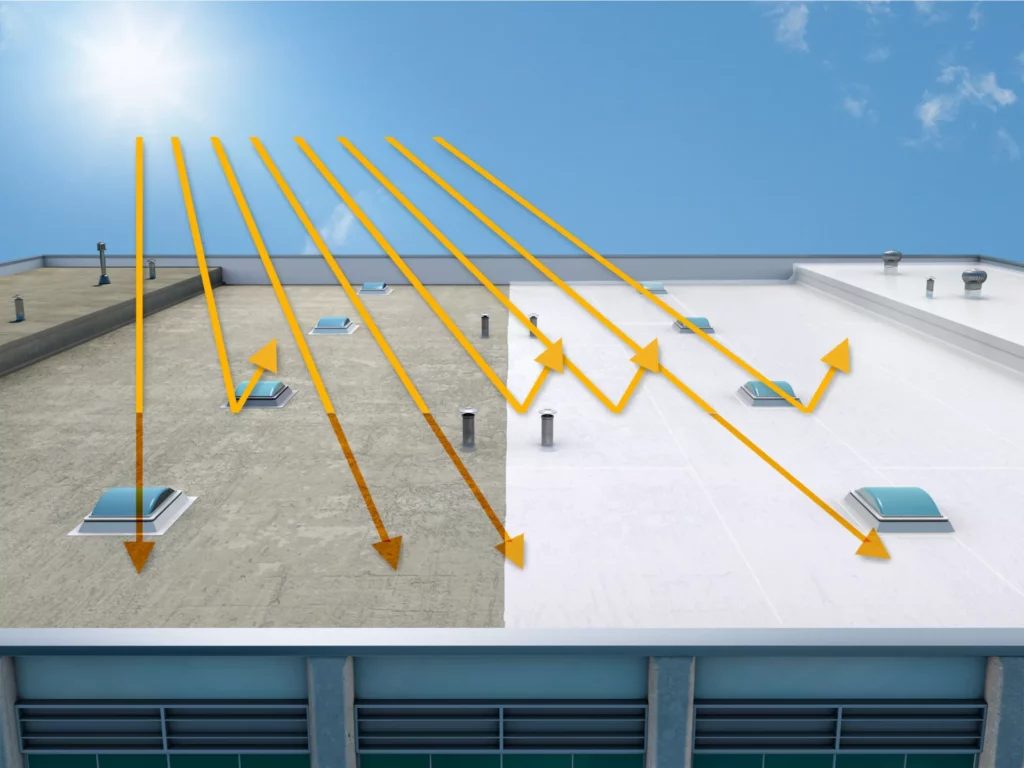
Henry Tropi-Cool Roof Coating
A 100% silicone roof coating that reflects UV rays and provides waterproofing.
Why it’s useful: Enhances energy efficiency and prolongs the roof’s life.
Benefits of Hiring Professional Flat Roof Contractors
Flat roofs demand precision and experience. Here’s why working with the right contractor matters.
1. Avoids Common Flat Roof Problems
Pooling water, poor insulation, and premature leaks are avoidable with proper installation and smart design.
2. Long-Term Cost Efficiency
Professionals use materials and techniques that last longer and reduce the need for frequent repairs.
3. Warranty Protection
Certified installers can offer extended warranties that protect your investment for years.
4. Tailored Solutions for Residential Needs
Unlike commercial buildings, residential projects have aesthetic and zoning requirements that need careful planning.
How Residential Flat Roof Contractors Make a Difference
Urban Homeowner in Brooklyn Converts to Green Roof
With the help of flat roof experts, the homeowner replaced their old BUR system with a reinforced membrane and a lightweight soil base for rooftop gardening.
Florida Homeowner Switches to Cool Roof
Battling high summer energy bills, a family in Miami hired contractors to install reflective TPO roofing. The result? Cooler interiors and reduced HVAC load.
Modernist Home in LA Upgrades to Self-Adhered TPO
A flat-roofed mid-century home underwent full replacement with GAF EverGuard SA membranes. The homeowners chose it for clean lines, energy efficiency, and rapid installation.
FAQ
Q1: How long does a residential flat roof typically last?
Depending on the materials used, flat roofs can last 15 to 30 years. TPO and EPDM membranes tend to last longer with proper maintenance.
Q2: Are flat roofs more prone to leaks than pitched roofs?
They can be if poorly installed, but a professionally installed and drained flat roof performs just as well, especially with today’s materials.
Q3: Can I walk on my flat roof for maintenance or relaxation?
It depends on the build. Some flat roofs are designed as usable spaces, while others are not. Always consult your contractor before accessing the roof.