Finding the right commercial roofing contractor in Austin is a critical decision for businesses aiming to maintain structural integrity, energy efficiency, and long-term property value. The roofing system on a commercial property is not just about shelter; it’s about asset protection, energy cost reduction, and ensuring compliance with local building codes. In a climate like Austin’s, where hot summers and unpredictable storms are common, businesses must rely on expert roofing contractors who understand local needs.
From industrial facilities to office parks and retail spaces, hiring the right contractor can mean the difference between a five-year headache or a twenty-year worry-free roof. Let’s break it down.
Why Austin’s Commercial Properties Require Specialized Roofing Contractors
Austin’s combination of intense UV exposure, sudden hailstorms, and high humidity levels creates unique challenges for commercial roofing. Unlike residential roofing, commercial systems cover larger surfaces, often host HVAC units, and use more complex materials like TPO, EPDM, and modified bitumen.
Contractors in this region must not only be licensed and insured but also have deep knowledge of city permitting, energy codes, and drainage requirements. They must also adapt to building types; a tech campus downtown has different roofing needs than a warehouse near the airport.
Types of Commercial Roofing Systems Commonly Used in Austin
Understanding the types of materials available helps you assess whether your contractor offers modern, energy-efficient solutions:
- TPO (Thermoplastic Polyolefin)
This is one of the most popular materials for flat roofs in Austin. It reflects sunlight, resists dirt and bacteria, and is easy to install. It’s perfect for businesses looking to lower cooling costs. - EPDM (Ethylene Propylene Diene Monomer)
Often referred to as “rubber roofing,” EPDM is excellent for durability and weather resistance. It’s flexible and performs well under Austin’s extreme temperature shifts. - Modified Bitumen
This asphalt-based system is layered for strength and weatherproofing. It’s ideal for businesses that need rugged solutions without constant upkeep. - Metal Roofing
Especially in tech parks or modern office campuses, metal roofing offers sleek aesthetics and durability. It’s resistant to fire, mold, and pests, and it can last over 40 years if properly maintained.
Real-World Use Cases: Top Commercial Roofing Examples in Austin
Let’s look at real-world examples that showcase the expertise and impact of Austin-based roofing contractors.
1. Office Complex in Downtown Austin
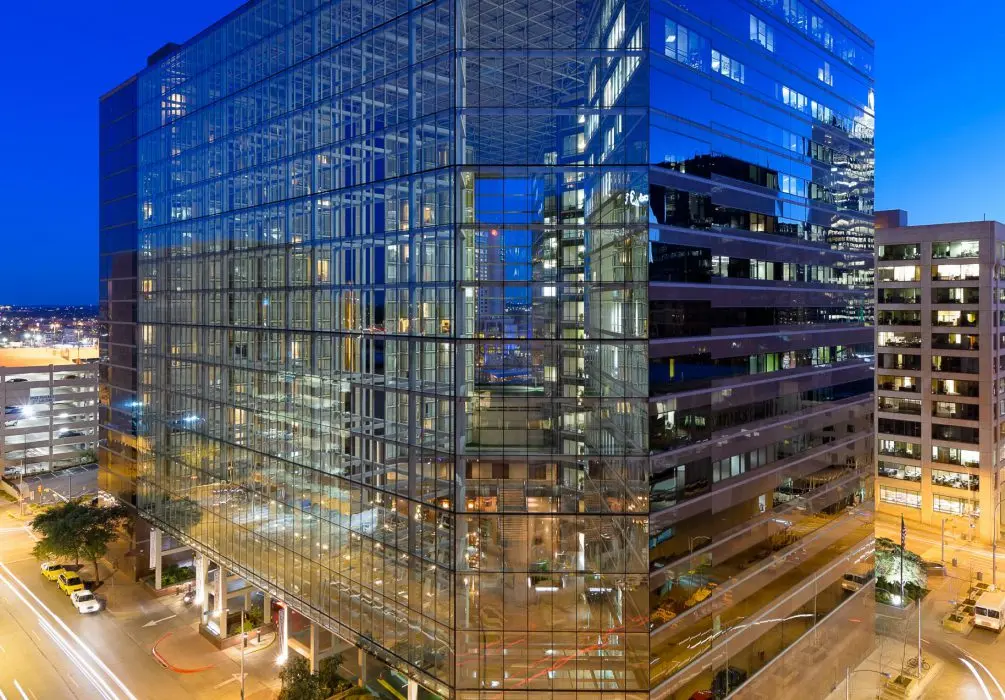
One major contractor completed a full TPO installation on a 3-building office complex near Congress Avenue. The goal was energy efficiency and long-term performance.
- Problem: O,ld built-up roofing caused leaks and high HVAC bills.
- Solution: New TPO system reduced internal temperatures by 15%, leading to a 20% drop in cooling costs.
- Relevance: Demonstrates how the right roofing system enhances energy savings and employee comfort.
2. Distribution Warehouse Near Austin-Bergstrom Airport
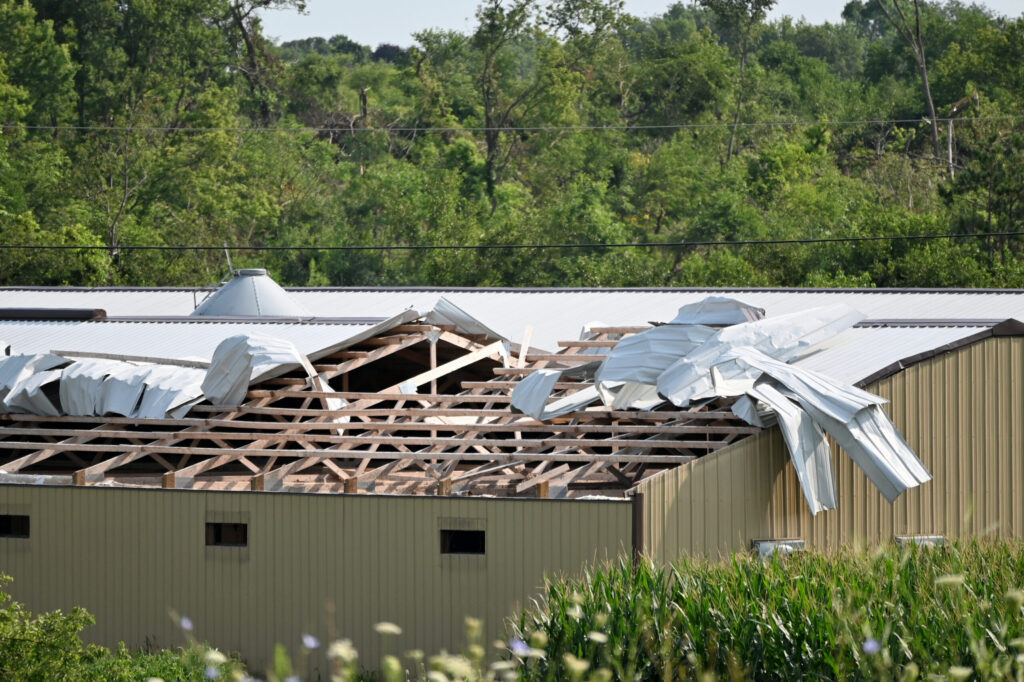
A logistics company needed fast installation with minimal disruption. A contractor deployed modified bitumen for durability and handled special permits for high wind zones.
- Problem: Prior storm damage caused repeated repairs.
- Solution: Modified bitumen provided long-term protection and met strict wind-resistance codes.
- Relevance: Shows how contractors mitigate local weather risks efficiently.
3. School Campus in North Austin
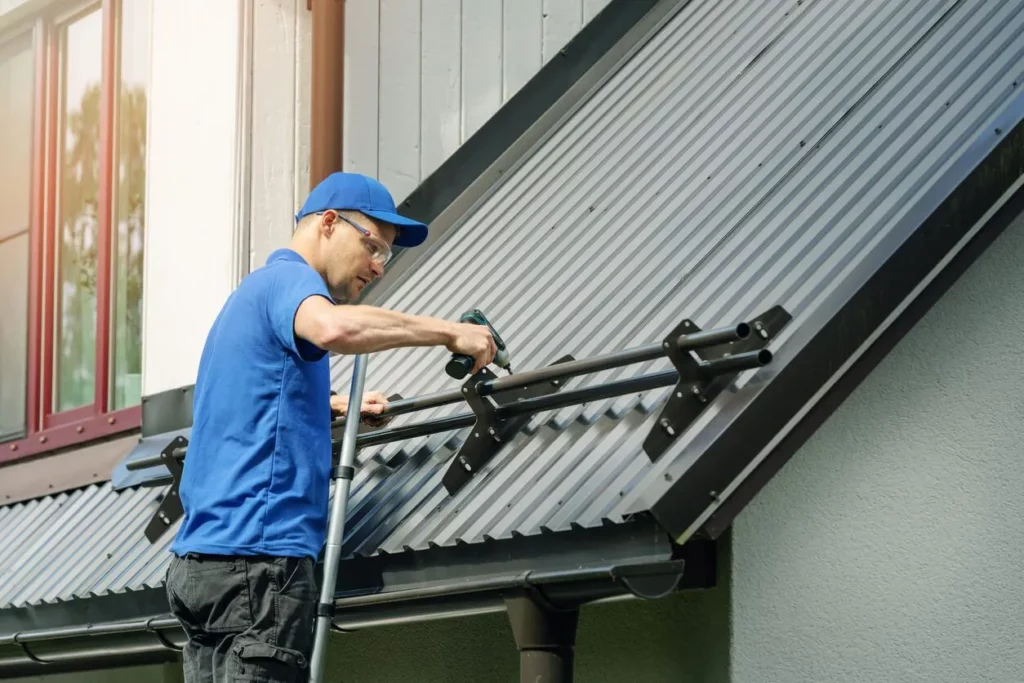
Schools must operate year-round with minimal downtime. A contractor installed a hybrid EPDM-metal system during summer break.
- Problem: Water infiltration in classrooms during heavy rain.
- Solution: A flexible EPDM underlayer combined with durable metal panels solved both insulation and water management issues.
- Relevance: Highlights contractor skill in complex project timelines and layered materials.
4. Data Center Facility in Tech Ridge
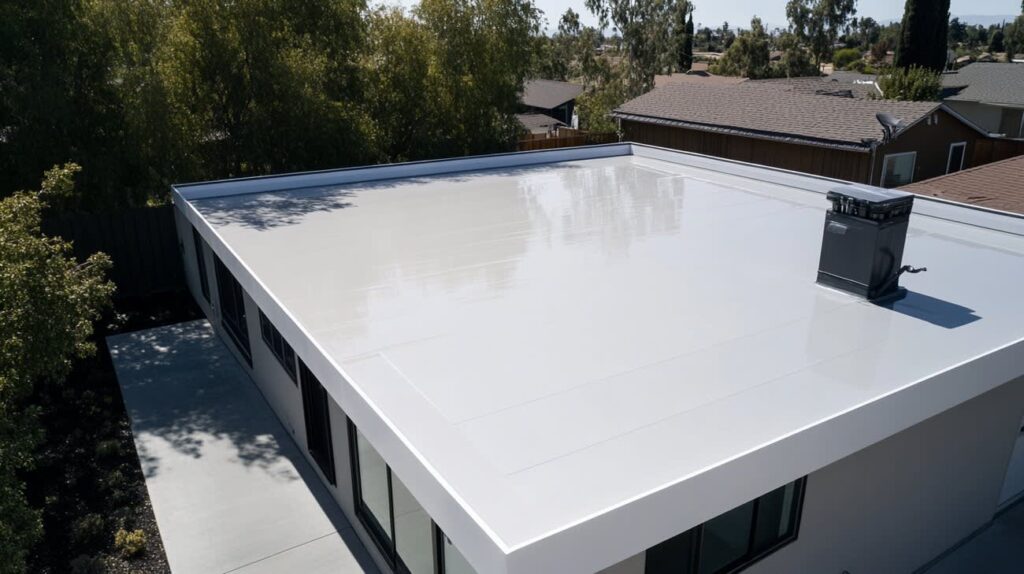
Data centers require precise climate control and backup systems. A commercial roofer installed high-performance PVC with reinforced seams and superior UV resistance.
- Problem: Fluctuating rooftop temperatures affected internal cooling systems.
- Solution: Reflective PVC reduced rooftop heat by 30%.
- Relevance: Illustrates how expert material selection supports business-critical infrastructure.
5. Medical Office Building in Round Rock (Greater Austin Area)
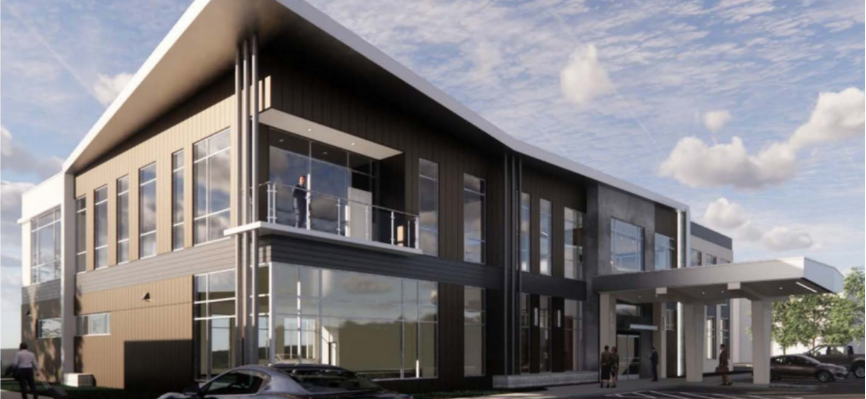
Healthcare buildings need strict waterproofing and compliance. A contractor replaced an old BUR system with energy-efficient TPO and added walk pads for maintenance teams.
- Problem: Frequent ceiling stains from outdated drainage.
- Solution: Seam-welded TPO with advanced water flow design ensured compliance and cleanliness.
- Relevance: Shows how modern roofing meets both functional and regulatory needs.
Benefits of Hiring an Experienced Austin Commercial Roofing Contractor
Hiring an experienced local contractor brings more than just a finished roof. It ensures performance, compliance, and peace of mind.
- Local Knowledge of Permits and Codes
Austin has strict building requirements, especially for commercial zones. A good contractor navigates these smoothly, ensuring no red tape holds your project back. - Weather-Resistant Installations
From hail to heat, local contractors know what materials hold up best. They customize solutions instead of applying a one-size-fits-all approach. - Project Management Expertise
Commercial roofing often involves tight deadlines, safety regulations, and budgeting. Experienced contractors keep everything on schedule and budget. - Warranty and Support
Many top contractors offer long-term warranties and proactive maintenance programs, so your roof performs well for decades. - Energy Efficiency Consultation
With rising energy costs, many contractors offer reflective systems that reduce AC usage and qualify for tax credits.
Use Cases: Problems That Austin Commercial Roofers Help Solve
Hiring the right contractor solves a variety of pain points:
- Leaky Roofs Disrupting Operations:
Frequent rain in spring and fall leads to internal water damage. Expert contractors address not just the leak, but the root cause, whether it’s improper flashing or clogged drains. - Skyrocketing Energy Bills:
Older systems absorb heat. Contractors can install cool roofs that reflect UV rays and cut cooling costs dramatically. - Storm Damage and Insurance Compliance:
After a storm, documentation is everything. Local roofers know how to handle assessments, reports, and insurance claims swiftly. - Business Growth Needs:
Expanding a building? Contractors provide scalable solutions that allow for future rooftop installations like solar panels or green roofing.
FAQ
1. How do I know if a commercial roofing contractor in Austin is reliable?
Look for licenses, insurance, local experience, and positive client reviews. Reliable contractors will also provide site assessments, detailed estimates, and full material options with warranties.
2. What’s the best roofing material for my Austin business?
That depends on your building type, energy needs, and budget. TPO is great for flat roofs and energy savings, while metal is ideal for longevity. A good contractor will assess and recommend the right fit.
3. How long does a commercial roof installation usually take?
Most projects take between 1–3 weeks, depending on roof size, material, weather, and permitting. Emergency repairs can be completed faster, while large-scale facilities may require phased timelines.