Whether you’re facing leaks, aging shingles, or storm damage, searching for residential roofing service near me is often the first step in protecting your home. Roofing isn’t just about patching up issues; it’s a long-term investment in your property’s structure, value, and safety. This article offers a complete guide to understanding local residential roofing services, technologies used today, and how to select the right team for your specific needs.
Understanding Residential Roofing Services
Residential roofing service covers far more than just fixing a leak or replacing shingles. It’s a comprehensive category that includes inspections, minor and major repairs, full replacements, maintenance, and even roof upgrades.
Common Services Offered
These typically include roof inspections, leak detection and repair, shingle replacements, flashing repair, attic ventilation upgrades, storm damage restoration, and complete roof overhauls.
Tailored to Roof Type
Services vary depending on whether the roof is asphalt shingle, metal, tile, wood shake, or flat roofing. A professional residential roofer is trained to assess and work on a wide variety of roofing systems.
Why Local Residential Roofing Services Matter
Choosing a nearby roofing contractor offers more than just convenience; it means they understand the climate, local code regulations, and materials suited to your area.
Faster Response Times
When your roof is leaking, a quick response can mean the difference between a minor fix and a major ceiling collapse.
Knowledge of Local Building Codes
Every municipality has specific guidelines on roofing materials, underlayment types, slope minimums, and drainage requirements. Local professionals are more likely to comply seamlessly.
Technologies Used in Modern Roofing Services
The roofing industry has adopted a variety of technologies to increase precision, improve safety, and extend the life of your roof.
Drone Roof Inspections
High-resolution aerial images allow roofers to detect problem areas without setting foot on your home.
Thermal Imaging
Thermal cameras help detect moisture hidden under roofing materials, making it easier to diagnose leaks accurately.
Smart Ventilation Systems
Intelligent attic vents help regulate temperature and humidity automatically, extending roof life and improving energy efficiency.
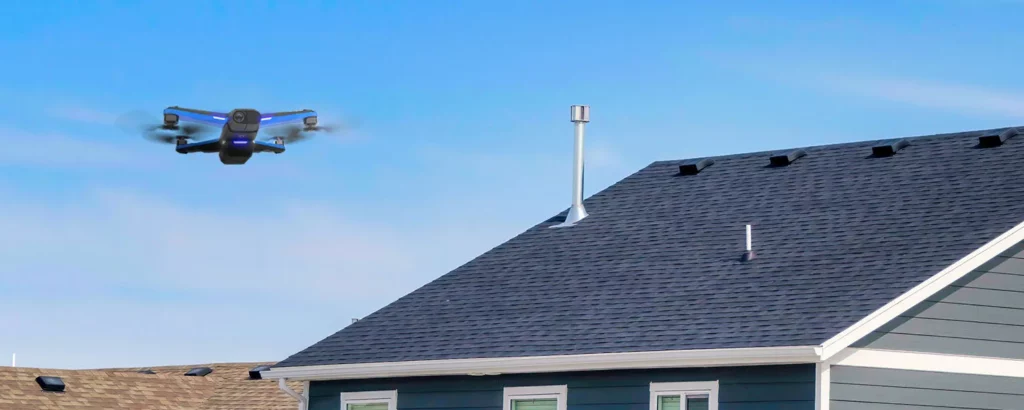
DJI Mavic Air 2 Drone
Used to inspect roofs safely from above with detailed imagery.
Why it’s useful: Prevents risk for contractors, detects minor damage that may not be visible from the ground, and assists in providing accurate quotes.
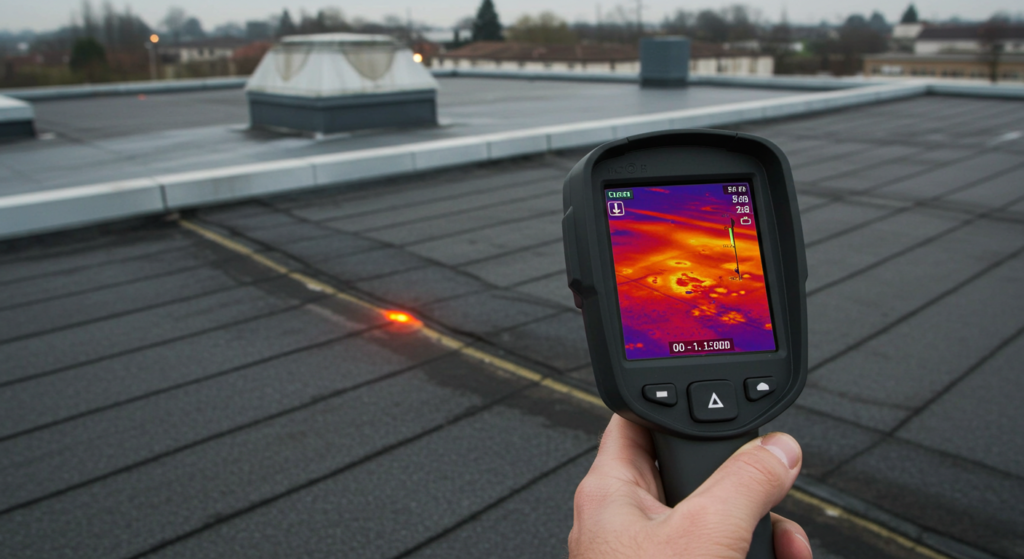
FLIR One Thermal Camera
Captures heat patterns and locates moisture under the roof.
Why it’s useful: Helps identify hidden leaks and insulation problems without removing roofing material.
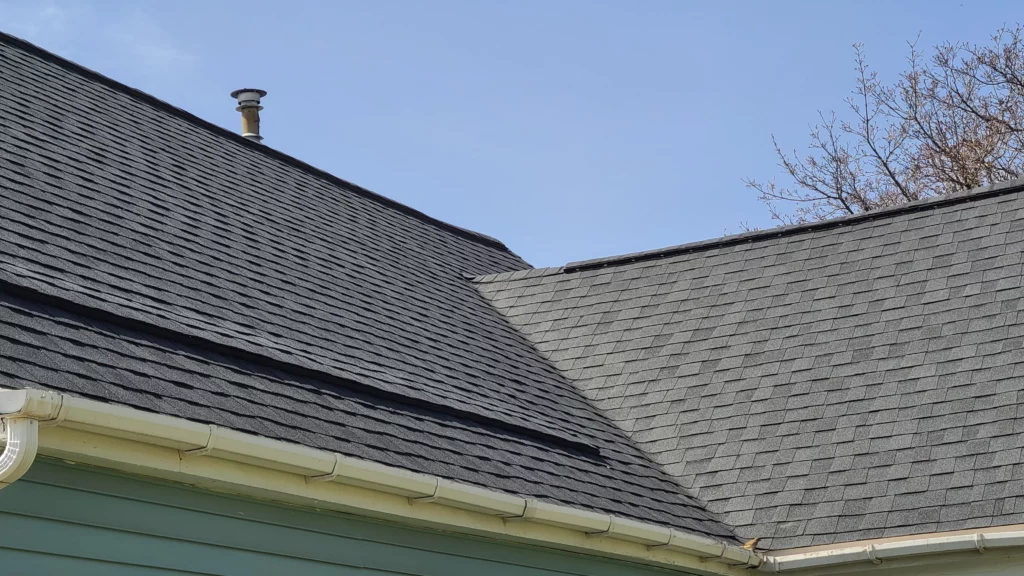
Solar Powered Smart Roof Vent (QuietCool)
Automatically vents attic heat and moisture based on temperature sensors.
Why it’s useful: Reduces cooling costs, extends roof material lifespan, and maintains healthy attic airflow.
Benefits of Hiring Professional Residential Roofing Services
Working with a licensed, experienced roofing service provider delivers peace of mind and protection for one of your most important assets, your home.
1. Safety First
Roofing is hazardous. Professionals are trained in safety protocols, minimizing the risk of falls, injuries, and property damage.
2. Warranty and Guarantees
Licensed roofers typically offer material and labor warranties, giving you long-term coverage and confidence in the work.
3. Quality Materials and Tools
Contractors have access to high-quality materials and equipment that might not be available to DIYers.
4. Cost-Effective in the Long Run
Properly installed and maintained roofs reduce the need for frequent repairs and can lower energy bills.
Real-World Use Cases: Residential Roofing Services in Action
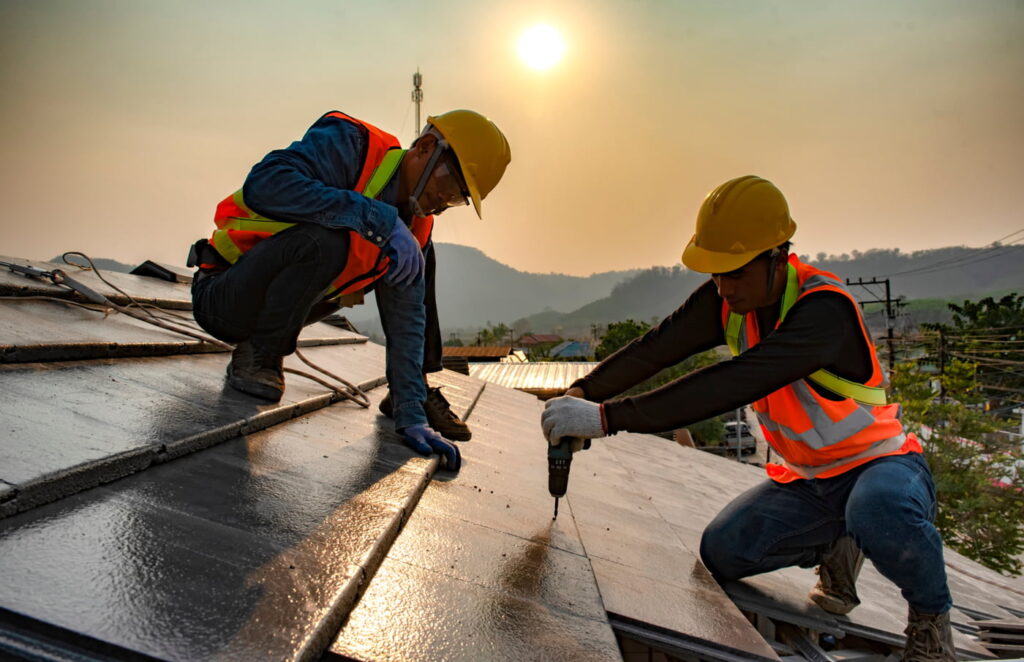
Texas Home Damaged by Hailstorm
A family in Austin contacted local roofers after severe hail compromised their shingles. Within 48 hours, thermal imaging confirmed damage, and drone inspection supported an insurance claim. New impact-resistant shingles were installed in a week.
Energy Upgrade in Southern California
A homeowner upgraded their ventilation system to a smart solar-powered vent. This lowered attic temps by 30°F in summer and cut cooling costs by 20%.
Aging Roof in Michigan Gets a Facelift
With over 25 years of wear, a homeowner in Detroit chose full roof replacement. The contractors used synthetic underlayment and Class 4 shingles, resulting in a quieter, sturdier home.
FAQ
Q1: How often should I schedule a roof inspection?
Twice a year is id, typically in spring and fall. Also, after any major storm or extreme weather event.
Q2: What’s the average lifespan of a residential roof?
Depends on the material: asphalt shingle roofs last 20–25 years, metal up to 50 years, and tile even longer with proper care.
Q3: Can roofing services help with insurance claims?
Yes. Reputable roofing contractors often assist with inspection reports, photographic evidence, and documentation for successful insurance claims.