Choosing the best commercial roofing for your business isn’t just about materials; it’s about climate compatibility, budget longevity, energy efficiency, and contractor reliability. A well-installed roof can reduce energy bills, prevent major disruptions, and last for decades.
This article explores top-performing commercial roofing types, how modern technologies optimize performance, and real-world examples that showcase what “best” truly means in today’s roofing industry.
Top Roofing Materials Considered the Best in Commercial Projects
- TPO Roofing: Widely regarded for energy efficiency, heat reflection, and affordability. Ideal for sunny or high-heat environments.
- PVC Roofing: Known for chemical resistance and durability. Works best in restaurants or factories with frequent rooftop emissions.
- EPDM Roofing: Flexible rubber membranes perfect for large flat surfaces. Easy to maintain and cost-effective.
- Modified Bitumen: Reinforced asphalt product with excellent weatherproofing and puncture resistance.
- Metal Roofing: Extremely durable, recyclable, and attractive. Suitable for buildings requiring architectural appeal and long-term strength.
Technology Driving the Best Commercial Roofing Practices
Modern commercial roofing companies aren’t relying on guesswork. Advanced technologies are transforming how roofs are inspected, maintained, and even designed.
- Drone Aerial Scanning: Captures aerial data and images for analysis of membrane damage, water pooling, or debris buildup.
- Infrared Thermography: Finds wet insulation and leak-prone areas before problems become visible.
- Roof Management Software: Tracks inspection history, warranty data, repairs, and preventive maintenance for large commercial portfolios.
- Digital Moisture Scanners: Non-invasive tools used to measure roof moisture levels with precision.
These innovations improve project planning, extend roof life, and prevent emergency repair costs.
Real-World Examples of the Best Commercial Roofing Installations
1. High-Tech Distribution Center in California
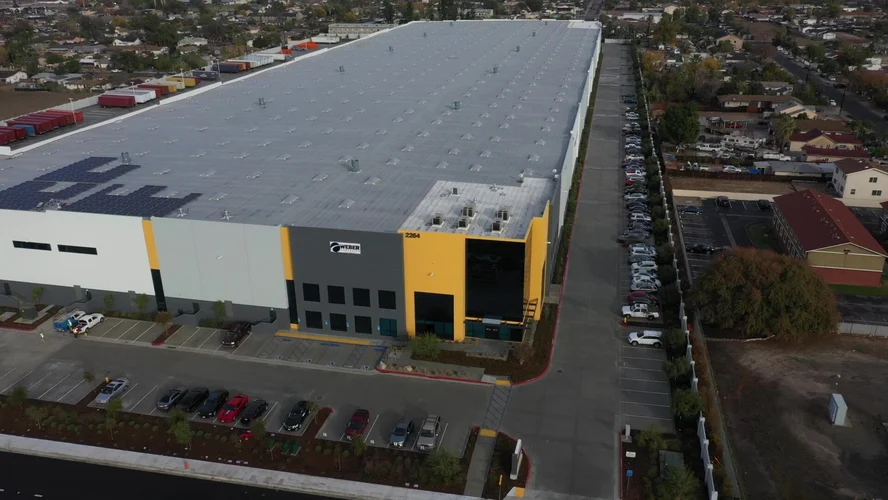
Energy savings and solar compatibility were top priorities.
- Problem: Aging modified bitumen roof causing hot zones.
- Solution: TPO roof with high solar reflectance and insulation upgrade.
- Relevance: Cut energy costs by 30% and enabled future solar installation.
2. Urban Hospital in Pennsylvania
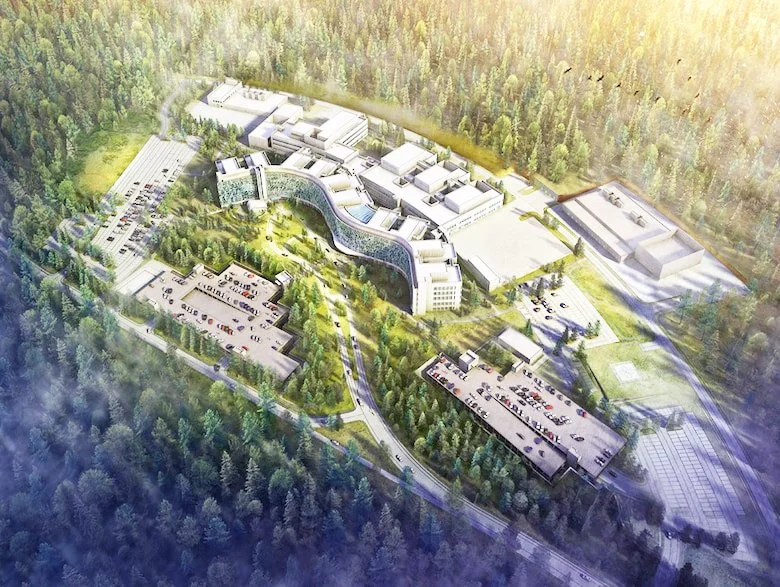
Required leak protection and low-noise installation.
- Problem: Water damage around HVAC units and sensitive areas.
- Solution: PVC roofing with heat-welded seams and upgraded flashings.
- Relevance: Ensured patient safety and allowed quick, odorless install.
3. Food Processing Plant in Iowa
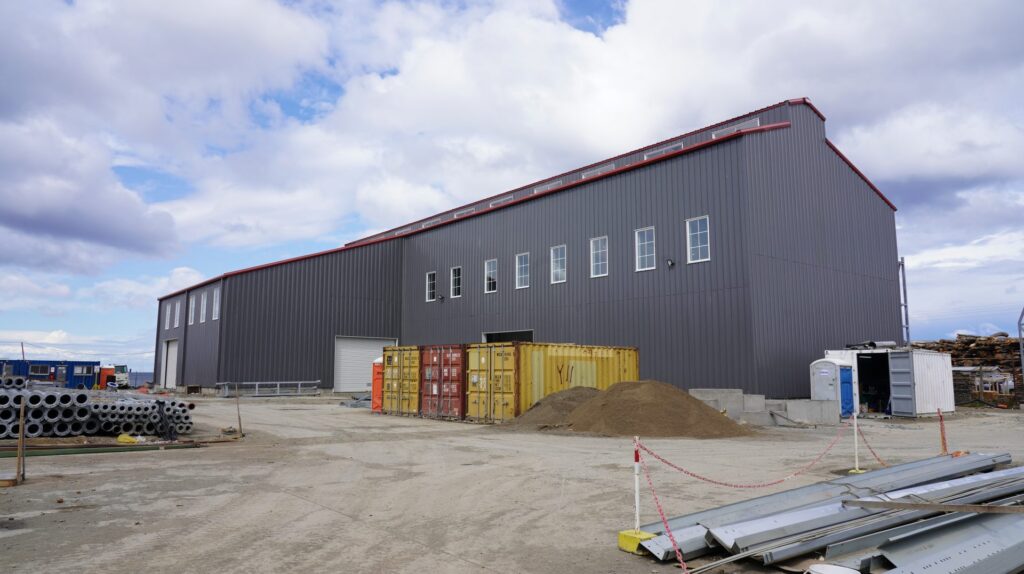
Grease and chemical exposure from exhaust vents caused roof degradation.
- Problem: Chemical breakdown on the EPDM membrane.
- Solution: Installed reinforced PVC membrane with higher chemical resistance.
- Relevance: Improved safety compliance and extended lifespan by 20 years.
4. Tech Campus in Austin, Texas
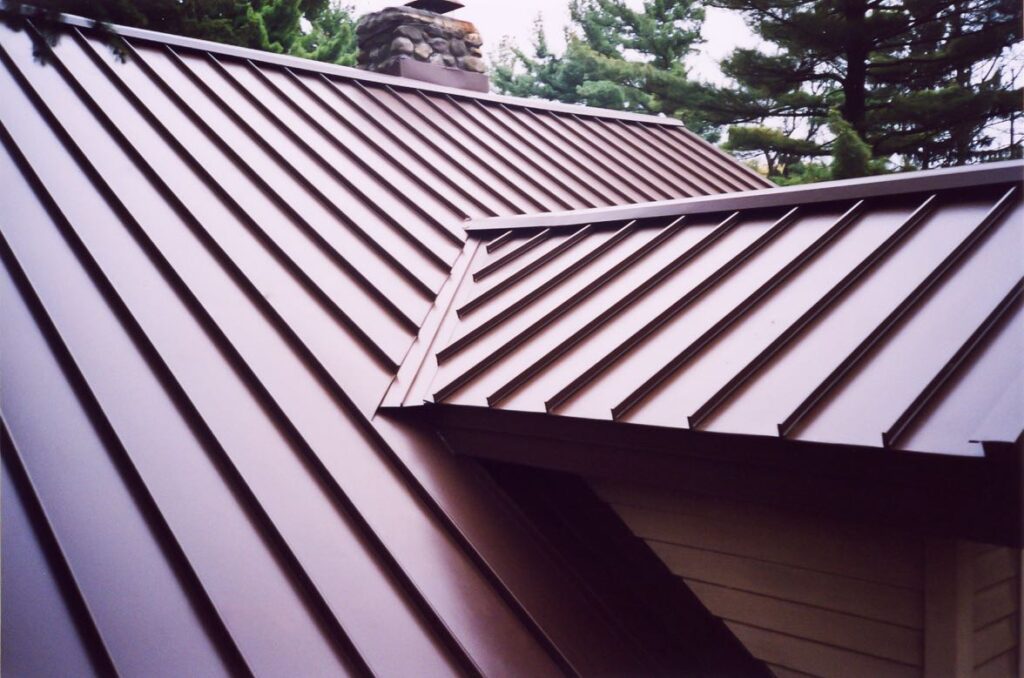
Aesthetics and long-term durability were critical.
- Problem: Frequent maintenance and leaks on a flat tar roof.
- Solution: Standing seam metal roof with high UV resistance.
- Relevance: Boosted building appeal and lowered annual maintenance.
Advantages of Choosing the Best Roofing Option
- Longevity: Premium systems can last 30–50 years with proper maintenance.
- Energy Efficiency: Reflective materials reduce heat absorption, cutting cooling costs.
- Sustainability: Recyclable materials and green certifications add environmental value.
- Insurance Benefits: Durable roofs often reduce premiums or qualify for rebates.
- Tenant Satisfaction: Reduced leaks and maintenance complaints improve tenant retention.
Common Problems Solved by Best Commercial Roofing Systems
- Ponding Water: Tapered systems and proper drainage prevent water accumulation.
- UV Degradation: Reflective coatings and resilient membranes extend surface life.
- Flashing Failures: Heat-welded seams and updated installation methods eliminate weak spots.
- Rising Utility Bills: Better insulation and heat reflection reduce HVAC strain.
- Storm Damage: Impact-resistant systems minimize costly storm-related repairs.
FAQ
1. What is the most cost-effective commercial roofing option?
TPO and EPDM are often the most cost-effective options due to their balance of performance and affordability. Installation costs also tend to be lower.
2. How long does a high-quality commercial roof last?
Depending on the material, premium systems can last from 20 to over 40 years with proper care and maintenance.
3. How do I know which roofing system is best for my building?
A thorough inspection and consultation with a certified commercial roofer can identify your building’s needs, climate challenges, and usage patterns to recommend the best solution.