When your roof starts to leak or shows signs of wear, one of the first searches homeowners make is residential roofing contractor near me. And rightly so, your roof protects your family, your possessions, and the overall integrity of your home. In this comprehensive guide, we’ll explore what a great residential roofing contractor does, how to identify the best one near you, and how modern technology enhances the repair and replacement process.
What Does a Residential Roofing Contractor Do?
Many homeowners think roofers just swing hammers and lay shingles, but there’s much more involved.
Comprehensive Roof Evaluation
A reputable contractor doesn’t jump into repairs blindly. They begin with a detailed roof inspection using tools like drones and moisture meters. This helps them identify surface damage, underlying structural issues, and potential future problems.
Customized Service Plans
Whether it’s a minor shingle replacement or a full re-roof, contractors tailor their service to your roof type, material, and age. They provide a roadmap of what needs to be done and what can wait.
How to Identify a Trustworthy Roofing Contractor Near You
Not all contractors are created equal. Choosing the right one requires a bit of homework.
Verify Licensing and Insurance
Any legitimate contractor should be licensed in your state and carry liability and workers’ comp insurance. This protects both you and the crew.
Check Manufacturer Certifications
Some of the best roofers are certified by shingle manufacturers like GAF, Owens Corning, and CertainTeed. These credentials ensure proper installation practices and often come with extended warranties.
Evaluate Local Reputation
Online reviews, local references, and Better Business Bureau (BBB) ratings can reveal a lot about reliability, punctuality, and service quality.
Technologies That Top Roofing Contractors Use
Roofing isn’t just brute force anymore. Leading contractors use high-tech tools to ensure precision, efficiency, and safety.
Drone Inspections
Drones equipped with high-res cameras help assess areas that are hard to reach, especially on steep or multi-story homes.
Thermal Imaging Scanners
Infrared cameras detect temperature variations, exposing hidden leaks, damp insulation, and failing underlayment.
Digital Roofing Software
Programs like EagleView generate precise 3D roof measurements using satellite imagery, ensuring accurate estimates and reducing waste.
Moisture Detection Devices
These detect trapped water between roof layers without destructive testing.

DJI Air 2S Drone
Used for aerial inspections to assess large or complex roof surfaces.
Why it’s useful: Offers a full view of the roof without needing ladders, reducing risk and time.
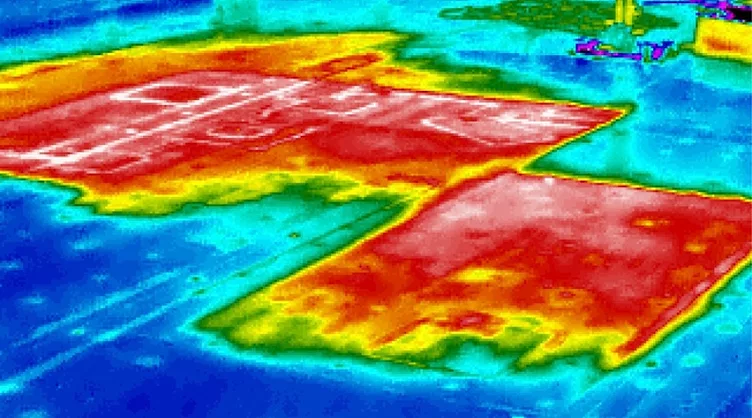
FLIR ONE Pro Thermal Camer
Connects to smartphones to give real-time thermal scans of roof areas.
Why it’s useful: Allows quick detection of water damage or poor insulation without tearing off shingles.
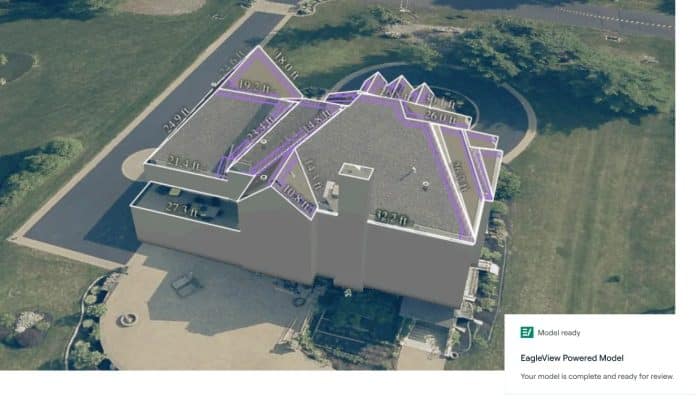
EagleView Roof Estimation Software
Creates precise roof reports with slope, pitch, and square footage.
Why it’s useful: Ensures accurate material orders, quote transparency, and better customer trust.
Real-World Examples of Residential Roofing Contractors in Action
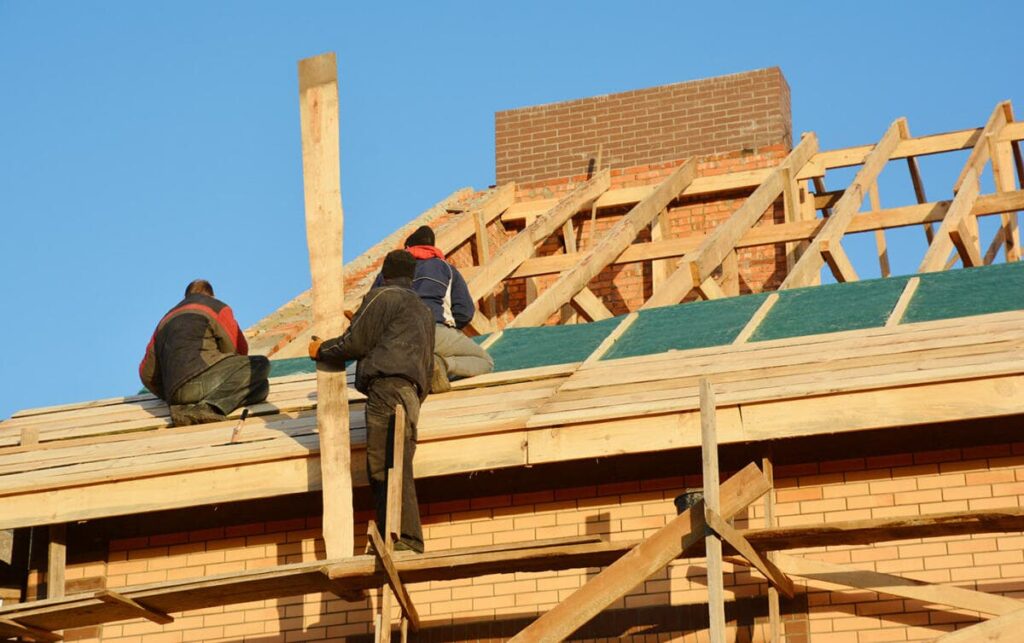
GAF Master Elite Contractor – Tampa, FL
A homeowner with extensive shingle loss after a hurricane hired a certified contractor who used drones and EagleView software to map the roof. The repair was completed within a week and included a 50-year manufacturer’s warranty.
Owens Corning Preferred Contractor – Denver, CO
Facing frequent attic condensation, this contractor replaced worn insulation and installed ridge vents. Thermal cameras ensured heat was escaping correctly, improving energy efficiency.
Local Family-Owned Roofer – Charlotte, NC
A family-run business with over 30 years’ experience identified deck rot using a moisture meter and replaced affected plywood before laying new shingles. This attention to detail saved the homeowner from future mold issues.
Tile Roof Specialist – Los Angeles, CA
The contractor restored a Spanish-style tile roof using original clay tiles and drone mapping to match patterns. The job retained the home’s historic value and passed strict HOA inspections.
Benefits of Hiring a Professional Residential Roofing Contractor
There are plenty of reasons to go with a certified contractor instead of cutting corners.
1. Long-Term Durability
Expert installation means fewer leaks, longer roof life, and better storm resistance.
2. Warranty Protection
Manufacturer-trained contractors offer extended warranties that cover labor and materials, often for decades.
3. Enhanced Safety
Trained crews use proper fall protection, follow OSHA standards, and work efficiently without damaging surrounding structures.
4. Home Value Improvement
A properly installed and well-maintained roof adds resale value and reduces buyer objections during a home sale.
When to Call a Residential Roofing Contractor
After Severe Weather
High winds, hail, and falling branches can cause damage that isn’t always visible from the ground. A contractor’s inspection can uncover issues early.
Before Listing Your Home
A new or certified roof gives sellers leverage and can speed up the closing process.
During a Home Renovation
Whether you’re adding skylights, solar panels, or an attic conversion, a roofing contractor ensures modifications won’t compromise the roof.
Noticed a Leak Indoors
A small stain might seem minor, but it could signal a much larger problem. Contractors use detection tools to locate and fix the source efficiently.
FAQ
Q1: How do I verify if a residential roofing contractor is licensed?
You can ask for their license number and verify it through your state’s licensing board website. Also,o check if they carry insurance.
Q2: Should I always choose the contractor with the lowest bid?
Not necessarily. Low bids may mean cheap materials or rushed work. Consider experience, warranty, and reviews.
Q3: How long does a typical residential roof replacement take?
Depending on size and weather, most replacements take 1–3 days. Complex jobs may require a bit more time.