Finding reliable new roof contractors is essential when building or upgrading a home. A professionally installed roof not only enhances curb appeal but also ensures long-term protection from the elements. Whether it’s a modern architectural home or a classic ranch-style structure, quality roofing starts with experienced contractors who understand materials, climate challenges, and energy efficiency.
In this article, we dive into what makes top-rated new roof contractors stand out, the latest technology trends they use, and real-world project examples that showcase the difference expert installation makes.
What Sets Top New Roof Contractors Apart
A trustworthy roofing contractor brings more than just nails and shingles. They bring a reputation, warranty support, and attention to detail that ensure your roof performs well for decades.
Key traits include:
- Licensing and Certifications: Verified credentials from manufacturers like GAF or Owens Corning.
- Project Portfolio: Evidence of recent, relevant work in residential and commercial sectors.
- Warranty Coverage: Both workmanship and product warranties.
- Communication: Clear timelines, project scope explanations, and follow-up support.
Contractors who excel in these areas tend to deliver roofs that meet both building codes and homeowner expectations.
How Modern Technology Improves Roof Installations
Technology has become a valuable asset for new roof contractors, enabling them to deliver better accuracy and faster results.
- Aerial Roof Measurements: Drones and satellite imagery streamline roof planning and cost estimation.
- Thermal Scanning: Ensures no underlying moisture damage is left unaddressed before new installation begins.
- Software Planning Tools: Contractors use CAD-style apps to lay out shingle patterns, slope grades, and vent placement.
- Real-Time Progress Monitoring: Clients can view project status and updates through online dashboards.
These tools lead to fewer mistakes, faster timelines, and better quality assurance.
Real-World Examples of Roofing Projects by Top Contractors
1. Suburban Ranch Home (Architectural Shingle Installation)
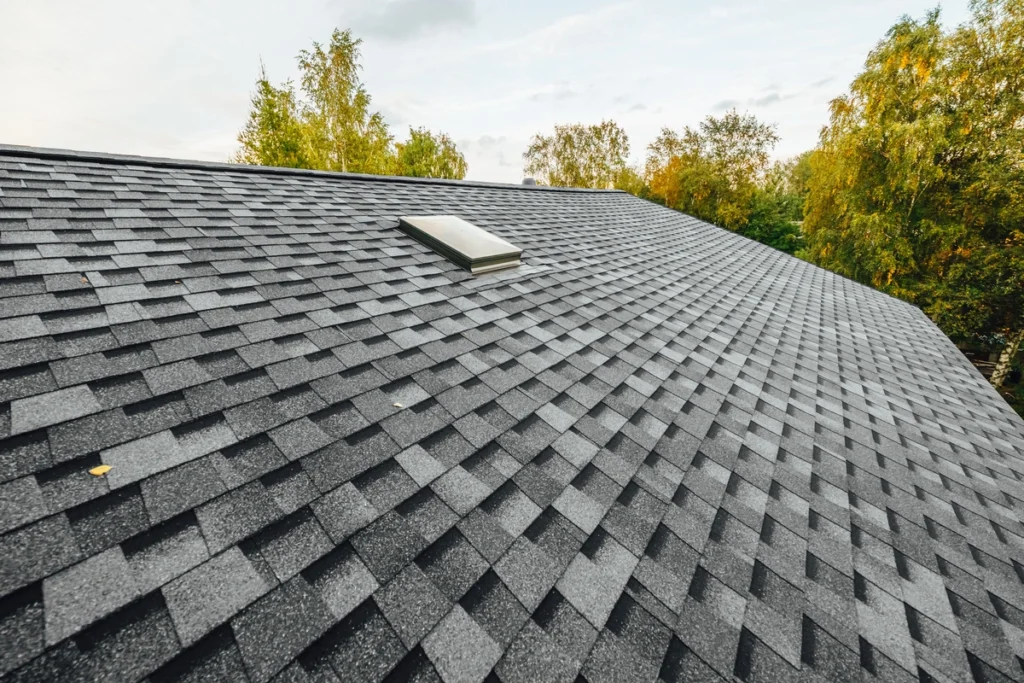
- Problem: Outdated three-tab shingles are prone to wind damage.
- Solution: Upgraded to architectural shingles with high wind resistance and a ridge vent system.
- Relevance: Increased curb appeal and better insulation efficiency.
2. Two-Story Colonial Home (Metal Roof System)
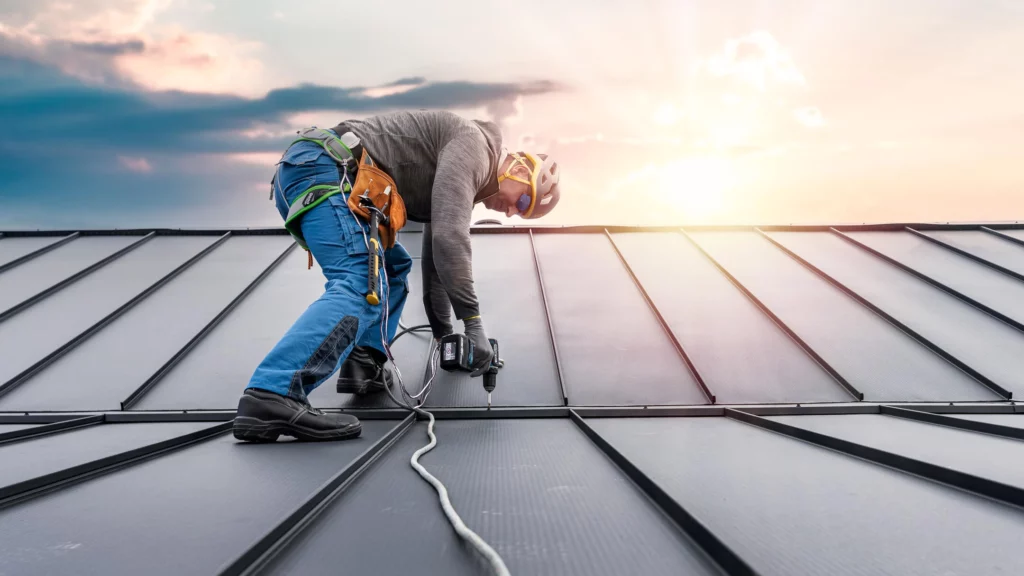
- Problem: Aging asphalt roof with heat absorption issues.
- Solution: Installed a standing seam metal roof with radiant barrier underlayment.
- Relevance: Improved energy performance and longevity.
3. Lakefront Cottage (Cedar Shake Installation)
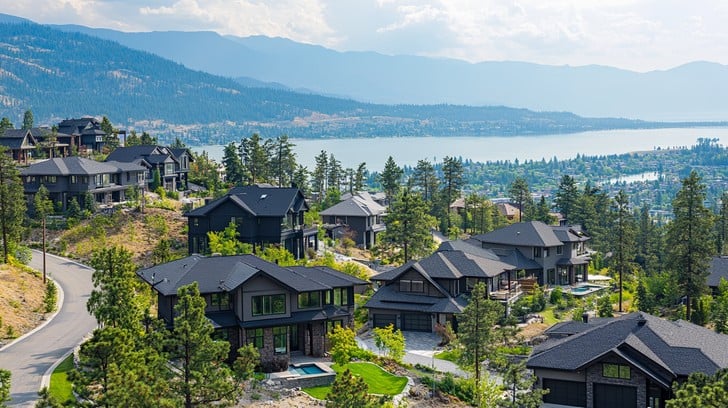
- Problem: Moisture damage from frequent rain exposure.
- Solution: Cedar shakes installed with breathable underlayment and stainless nails.
- Relevance: Preserved natural aesthetic while enhancing durability.
4. Urban Townhome Complex (Flat Roofing with TPO)
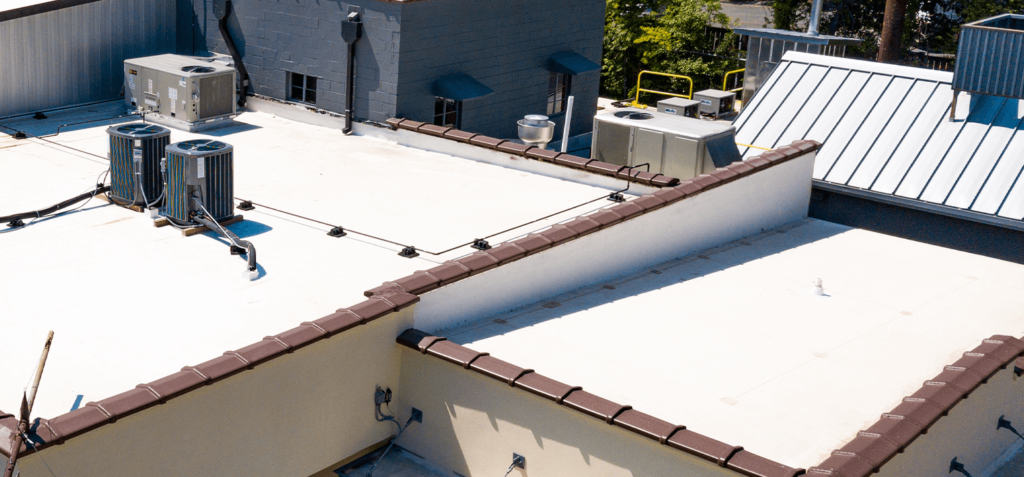
- Problem: Roof leaks are causing ceiling damage in upper units.
- Solution: Installed TPO membrane system with insulation boards and custom flashing.
- Relevance: Water-tight seal and increased energy efficiency for the building.
Advantages of Hiring Professional New Roof Contractors
- Material Expertise: Knowing which shingles, metals, or membranes work best in each climate.
- Installation Precision: Avoiding future issues by ensuring proper nailing, vent placement, and sealing.
- Warranty Protection: Work backed by product and labor warranties.
- Safety Assurance: Proper equipment, insurance, and safety protocols on site.
- Regulatory Knowledge: Complies with building codes and HOA guidelines.
All these benefits result in roofs that last longer, perform better, and cause fewer headaches down the road.
Use Cases: When to Call New Roof Contractors
- New Construction: Essential for structural waterproofing and architectural continuity.
- Storm Damage Replacement: Required when insurance claims are filed for hail, wind, or tree-related roof loss.
- Energy Efficiency Upgrades: Better insulation and ventilation through roof improvements.
- Aesthetic Makeovers: Changing roof style to match renovations or improve resale value.
- End-of-Life Roof Systems: Most shingle roofs last 15–25 years and will need full replacement eventually.
These scenarios highlight the practical importance of finding a contractor who understands both the science and art of roofing.
FAQ
1. How long does a new roof installation usually take?
For standard residential homes, installations typically take 1–3 days. Larger or more complex roofs may require up to a week, especially with specialty materials.
2. Can I stay in my house during the roof installation?
Yes, most roofing projects allow homeowners to remain inside. Expect some noise and potential parking restrictions, but safety precautions are always in place.
3. What roofing materials are best for high wind areas?
Architectural shingles, metal roofing, and clay tiles are excellent options due to their weight and secure fastener systems.