When it comes to maintaining or upgrading a flat roof in a residential setting, choosing the right contractor can make all the difference. Flat roofs require specialized techniques and materials that differ significantly from those used in pitched roofing systems. This article dives deep into how to identify the best residential flat roof contractors near you, what tools they use, the benefits of hiring professionals, and real-world project examples.
What Makes Flat Roofing Unique in Residential Settings
Flat roofing isn’t just for commercial buildings anymore; many homes are designed with flat or low-slope roofs for architectural style and space efficiency.
Drainage and Material Requirements
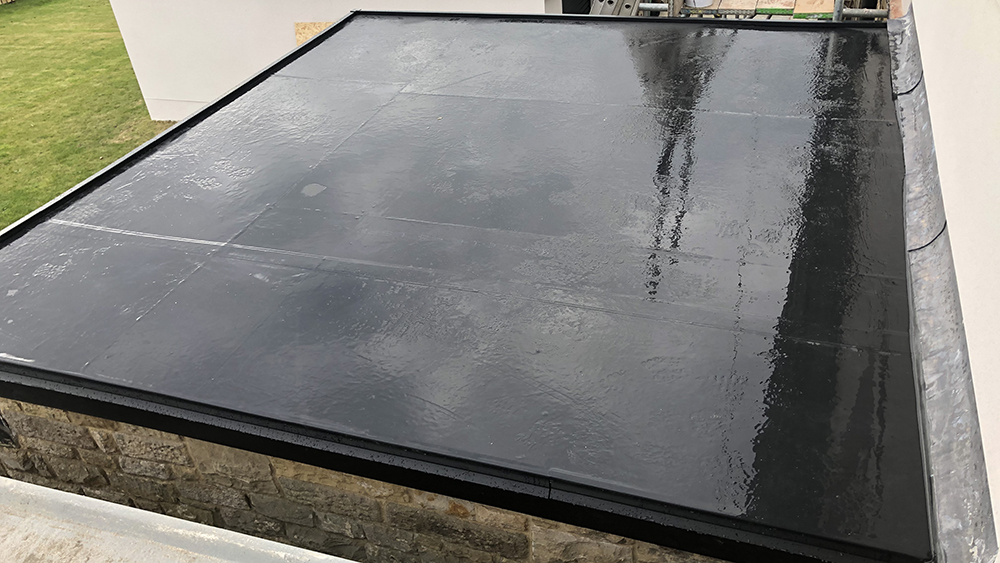
Unlike pitched roofs, flat roofs rely on proper drainage systems and waterproof membranes to prevent pooling. Materials like modified bitumen, EPDM, or TPO are commonly used.
Energy Efficiency and Usability
Flat roofs can be used for solar panels, rooftop gardens, or even decks. They also offer better insulation options when constructed with modern technologies.
Traits of Reliable Residential Flat Roof Contractors
Specialization in Flat Roofing Systems
Not all roofers are equipped to handle flat roofs. Top contractors will showcase certifications or training specifically related to flat roof installation and repair.
Use of Modern Inspection Tools
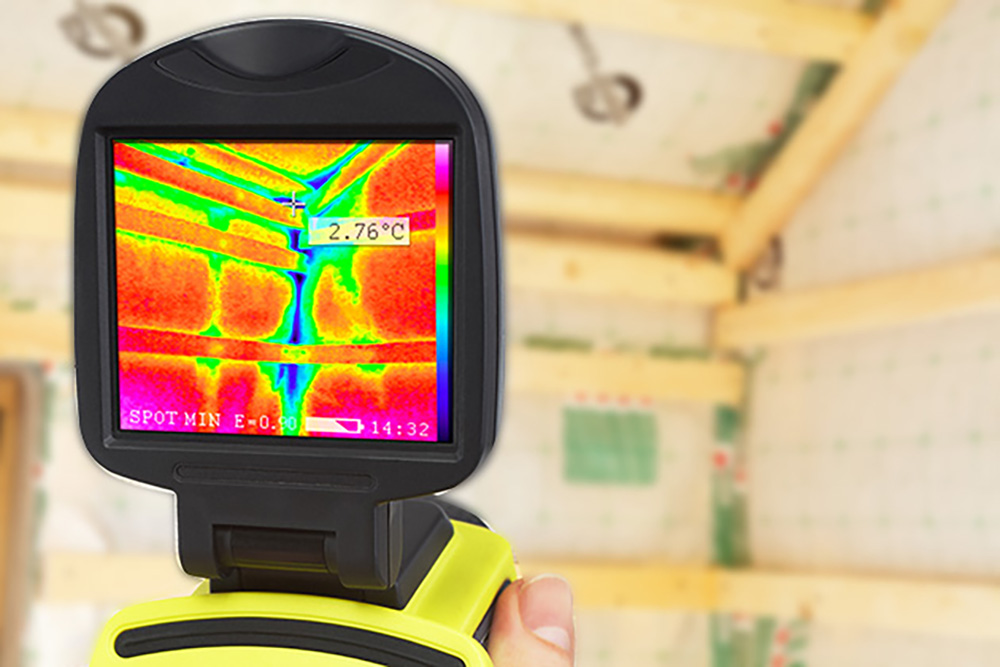
Reputable contractors utilize tools such as infrared scanners to detect moisture beneath the membrane, ensuring a comprehensive diagnosis before commencing repairs.
Proven Local Track Record
Look for reviews, portfolio images, and case studies within your community to evaluate their reliability and quality of work.

Technology Spotlight: Aerial Roof Inspections via Drone
Modern contractors often use drones to assess roof conditions safely and quickly.
Why it’s useful: Minimizes manual inspection risk and speeds up estimates by capturing comprehensive roof imagery.
Advanced Tools Used by Flat Roof Contractors
Thermal Imaging Cameras
These tools identify water damage and leaks beneath the roof surface that are invisible to the eye.
Moisture Meters and Core Cutters
Moisture detection devices help in determining the extent of water infiltration, guiding the contractor in localized repairs.
Roofing Software Platforms
Tools like RoofSnap or iRoofing help contractors measure, plan, and present detailed proposals.
Boston, MA – Leak Detection and Repair
A homeowner faced recurring leaks in their flat roof. The contractor used thermal imaging and repaired affected membrane areas without replacing the whole system.
Miami, FL – Reflective Coating Application
To reduce cooling costs, a contractor applied a white TPO membrane with high UV reflectivity, lowering the home’s interior temperature.
Denver, CO – Green Flat Roof
The homeowner collaborated with a flat roof specialist to install a rooftop garden, adding both insulation and curb appeal.
Advantages of Hiring a Residential Flat Roof Contractor
Expertise in Flat Roof Dynamics
Contractors understand the slope, drainage, and insulation complexities that DIY or generic roofers might overlook.
Access to Specialized Equipment
Professionals bring tools like hot-air welders and seam rollers necessary for applying certain membranes.
Warranty Protection
Certified contractors often offer labor and material warranties, giving you peace of mind.
Efficient and Safe Execution
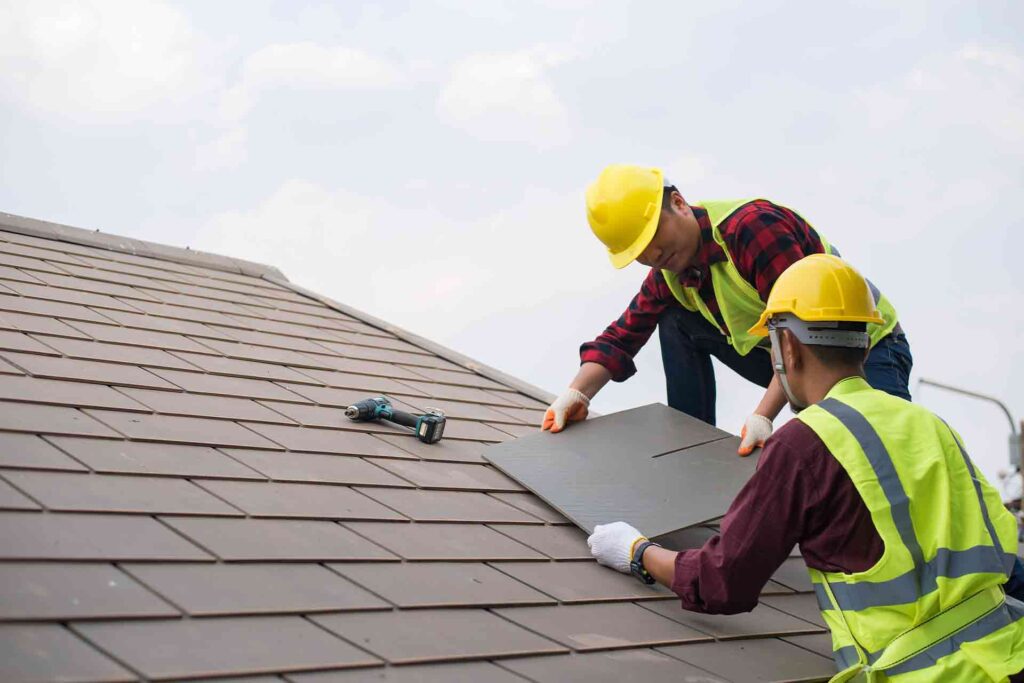
Professionals follow safety protocols, use harnesses, and comply with local codes to avoid accidents or legal issues.
When Should You Hire a Flat Roof Contractor?
Persistent Water Leaks
Flat roofs are prone to leaks due to poor drainage. Contractors can diagnose the real issue beyond surface damage.
Aging or Bubbling Membranes
Visible signs of aging, like bubbling or cracking, call for membrane replacement to avoid deeper structural damage.
Upgrading for Energy Efficiency
Upgrading to reflective or green roofing can cut energy costs and add functionality.
Compliance with Insurance or Local Code
After storm damage, a certified repair may be necessary for insurance claims or inspections.
FAQ
Q1: How long does a residential flat roof typically last?
Depending on the material, most residential flat roofs last between 15 to 30 years with proper maintenance.
Q2: Are flat roofs more prone to leaks than sloped roofs?
Yes, due to their design. However, with quality materials and expert installation, leak risks are significantly reduced.
Q3: Can flat roofs support solar panels or other structures?
Absolutely. Many homeowners install solar panels, HVAC units, or even rooftop patios on properly reinforced flat roofs.