When you think of home maintenance nightmares, roof leaks probably rank high on the list. They sneak in quietly, often unnoticed, until water stains, peeling paint, or mold say otherwise. Whether it’s a small drip or a full-blown leak, residential roof problems demand immediate attention. In this guide, we’re diving deep into everything you need to know about residential roof leak repair causes, solutions, use cases, technologies, and practical insights.
Understanding the Common Causes of Roof Leaks
The first step to solving any problem is knowing its root cause. Roof leaks don’t happen overnight; they build up over time, often hidden beneath the surface.
1. Age and Deterioration of Roofing Materials
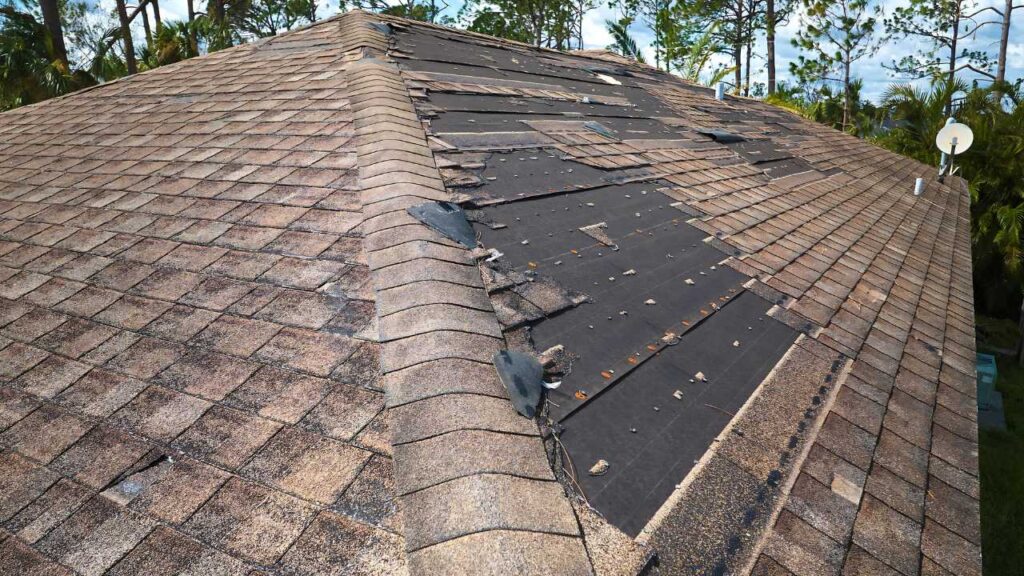
Asphalt shingles, the most common roofing material in residential homes, typically last 20–25 years. Over time, exposure to sun, rain, wind, and temperature swings causes them to crack, curl, or even detach entirely. Once this happens, moisture finds its way inside.
2. Flashing Failures and Poor Installation
Flashing refers to the thin metal sheets installed at roof joints, around chimneys, vents, or skylights. If these are poorly installed or deteriorate over time, they become an easy entry point for water.
3. Clogged Gutters and Ice Dams
Clogged gutters can back up rainwater onto your roof, causing damage and leaks. In colder climates, ice dams, ridges of ice at the edge of a roofcan trap melting snow, forcing water under the shingles.
4. Missing or Broken Shingles
Storms, strong winds, or fallen debris can rip or crack shingles, exposing the underlayment and leading to leaks.
Signs You Might Have a Roof Leak
While dripping water is the most obvious clue, there are many subtle signs that your roof is leaking before you ever see a drop.
Discoloration or Stains on Ceilings and Walls
Brownish or yellowish stains can mean water is seeping in. It’s not always directly beneath where the water travels.
Musty Odor or Mold Growth in the Attic
Water intrusion can cause mold and mildew, especially in poorly ventilated spaces like attics.
Peeling Paint and Bubbling Plaster
Moisture behind walls or ceilings causes paint to bubble, crack, or peel, a clear indicator of hidden water damage.
Modern Technology Used in Roof Leak Detection and Repair
Innovation has changed the way we detect and repair roof leaks. Here’s how modern tools are reshaping residential roofing.
Infrared Thermal Imaging
This non-invasive technique detects temperature differences in roofing materials. Cold spots indicate moisture presence even before a stain appears.
Drone Inspections
For multi-story homes or steep roofs, drones offer a safe and efficient way to inspect roofing systems for cracks, missing shingles, or deteriorating flashing.
Smart Moisture Sensors
Some modern roofing systems integrate moisture sensors that alert homeowners via mobile apps when moisture levels under shingles rise beyond safe levels.
These technologies don’t just help detect leaks; they help prevent catastrophic damage through early intervention.
Detailed Real-World Examples of Roof Leak Repair Technologies
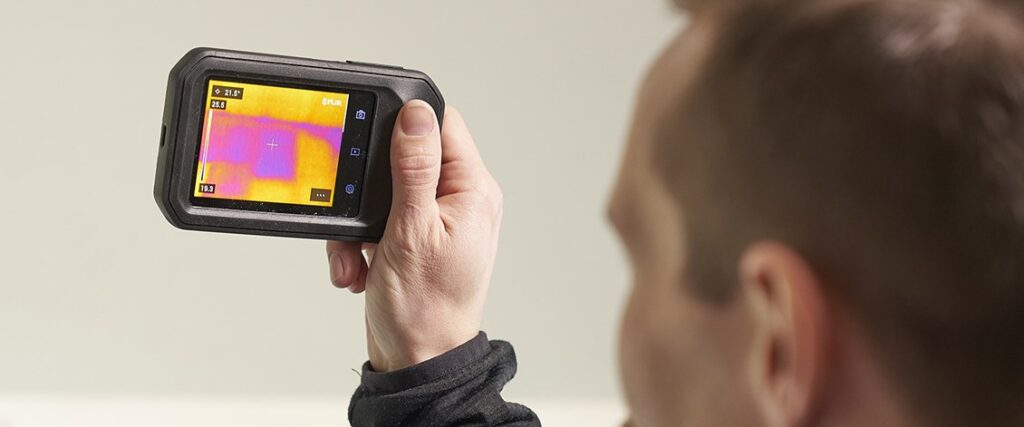
FLIR Infrared Cameras
Used by roofing contractors, this handheld device detects heat differences caused by moisture. With high-resolution thermal imaging, pros can quickly scan an entire roof surface and identify hidden problem areas.
Why it’s useful: It helps catch leaks before they damage insulation, wood framing, or interior walls, saving time and money.
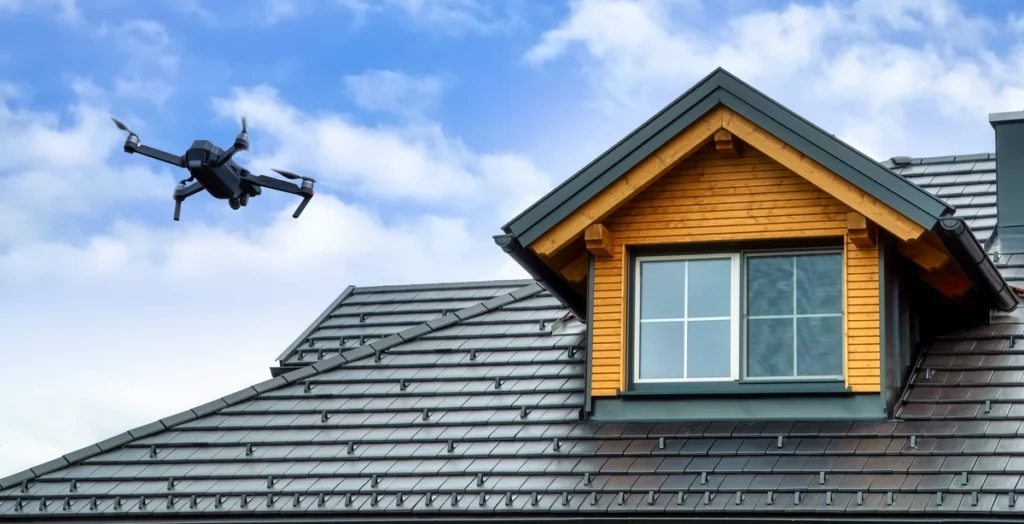
DJI Mavic Drone with 4K Camera
Widely used in roofing inspections, this drone allows professionals to photograph and video every angle of a roof, especially in areas difficult or dangerous to access.
Why it’s useful: It reduces risk, increases the speed of diagnosis, and provides visual documentation for both homeowners and insurance claims.
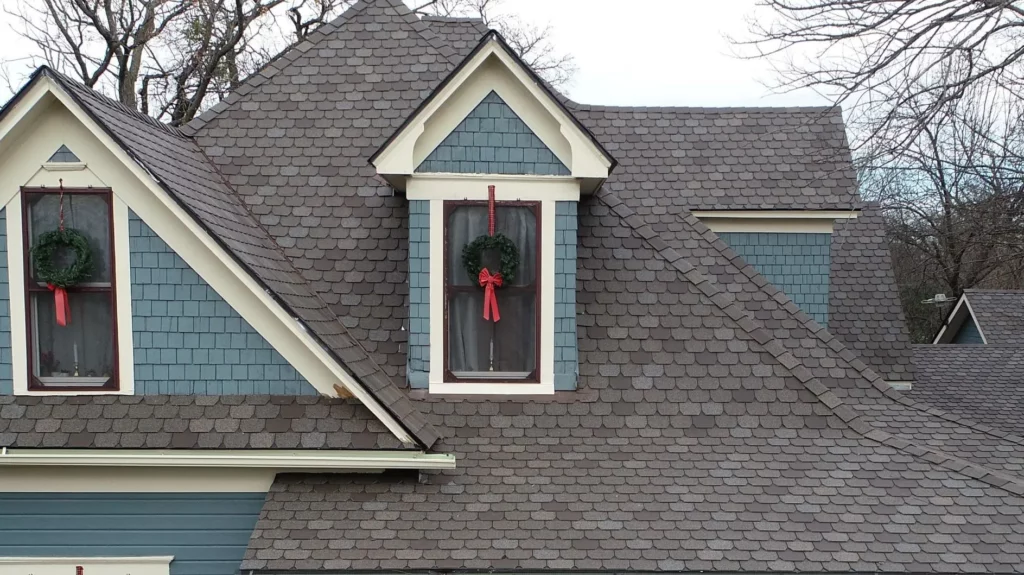
GAF Timberline HDZ Shingles
These advanced shingles come with LayerLock™ technology and wind-resistance upgrades. Some versions even include algae protection and UV defense.
Why it’s useful: Durable shingles help prevent future leaks and extend the lifespan of your roof — a crucial component of long-term leak repair.
Grace Ice & Water Shield
A self-adhering membrane is placed under shingles, especially in valleys and around chimneys. It offers superior waterproofing in vulnerable spots.
Why it’s useful: Prevents ice dams and water infiltration where standard underlayment might fail.
Airthings Smart Moisture Detector
A newer product designed to detect humidity and moisture levels in attics or crawl spaces before mold sets in.
Why it’s useful: Gives early warning to potential roof leaks or condensation issues, helping you act before serious damage occurs.
Benefits of Early and Effective Roof Leak Repair
Waiting too long to fix a roof leak is a costly mistake. But taking action early has massive benefits.
1. Prevents Structural Damage
Water weakens wood framing, warps drywall, and corrodes insulation. Timely repairs preserve your home’s structural integrity.
2. Stops Mold Before It Spreads
Mold is not just unsightly; it’s a health hazard. Roof leak repairs eliminate the moisture that mold thrives on.
3. Saves Money in the Long Run
Fixing a small leak costs a few hundred dollars. Replacing an entire ceiling or roof deck? Thousands.
4. Increases Home Value
A well-maintained roof increases property value and curb appeal. It’s a signal to buyers that the home has been cared for.
How Roof Leak Repair Solves Real Problems
Family in Portland Discovers Ceiling Stain Before Holiday Guests Arrive
Just days before hosting a big family dinner, a homeowner spotted a brown ring on their ceiling. Quick drone inspection revealed a slipped shingle. Within 48 hours, the roofer patched it up and prevented a soggy Christmas disaster.
Retiree in Florida Saves Thousands on Insurance Claim
A moisture sensor in the attic sent an alert. A roofing contractor found a slow leak near a vent. Early detection allowed for a small repair instead of a major interior remodel, saving over $8,000 in water damage.
Young Couple Renovating Their First Home
During a renovation in Texas, a couple noticed musty smells in one room. An infrared scan showed a leak behind the wall from damaged flashing. By fixing the flashing and replacing damaged insulation, they avoided toxic mold and made the room livable again.
FAQ
Q1: How can I tell if my roof leak is serious or just a small issue?
Even a small leak can lead to serious problems if ignored. If you notice recurring stains, musty odors, or dripping, it’s serious enough to act on. An inspection with thermal imaging or visual checks is the best way to assess severity.
Q2: Should I fix a roof leak myself or call a professional?
It depends on your experience. Patching a small shingle might be doable for DIYers, but anything involving flashing, structural damage, or internal water stains should be handled by professionals to avoid bigger issues.
Q3: How long does it take to repair a residential roof leak?
Basic repairs (like replacing a few shingles or sealing flashing) might take a few hours. More complex fixes involving decking or mold remediation can take 2–3 days or longer, depending on weather and material availability.