If you’re in the Austin area searching for commercial roofing solutions, you’re likely dealing with harsh sun, erratic weather patterns, and unique local regulations. A well-installed and properly maintained roof isn’t just about shelter; it protects assets, ensures compliance, and reduces long-term maintenance costs.
This comprehensive guide will help you understand Austin’s commercial roofing challenges, explore top-performing roofing materials, and evaluate roofing companies based on experience, tech use, and results. Real-world examples will show how smart roofing decisions protect buildings and budgets in this Texas capital.
Why Austin’s Climate Demands Specialized Commercial Roofing
Austin is known for its hot summers, heavy rainfall events, and occasional hailstorms. These weather extremes test the resilience of flat and low-slope commercial roofing systems.
The sun alone causes materials to expand and contract daily, leading to surface cracks and seam separations. Sudden storms can flood drainage systems, while hail can puncture even durable membranes. Austin commercial roofs must be both flexible and strong to withstand this natural onslaught.
Best Roofing Materials for Austin Commercial Buildings
Insert image of the product format (Image showing rolls of TPO, PVC, and modified bitumen roofing materials on a job site)
- TPO (Thermoplastic Polyolefin): Reflective and energy-efficient, great for Austin’s sunny climate. Known for durability and affordability.
- Modified Bitumen: Highly durable, UV-resistant. Works well for businesses needing foot traffic access or reinforced layering.
- PVC Roofing: Offers chemical resistance and high weldability. Suitable for restaurants or buildings with vented grease.
- Metal Roofing: Long-lasting and sustainable. While costlier upfront, it provides excellent wind and fire resistance.
Choosing the right material involves weighing insulation, longevity, cost, and maintenance. An expert Austin contractor can assess your building’s specific needs.
Technology in Austin’s Commercial Roofing Services
Modern contractors in Austin aren’t just working with tools; they’re working with data.
- Drone Inspections: Capture bird’s-eye views of large rooftops to identify ponding, cracks, or failed seams.
- Infrared Thermography: Detects moisture below the roof membrane without invasive tearing. Essential for flat roofs.
- Moisture Probes & Scanners: Help pinpoint leaks and damaged areas within multi-layer systems.
- Digital Maintenance Reports: Document conditions, repairs, and forecasts for building owneownerserfect for long-term planning.
These tools increase diagnostic accuracy, reduce guesswork, and prevent unnecessary repairs.
Real-World Austin Commercial Roofing Projects
1. Austin Tech Startup Headquarters
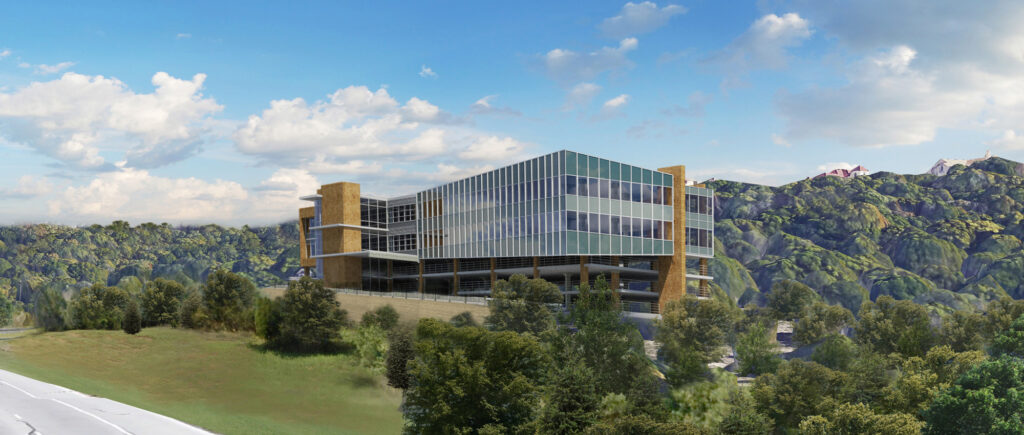
Green energy goals led to a reflective TPO roof with solar panel integration.
- Problem: The Old asphalt roof absorbed heat, causing high utility bills.
- Solution: TPO replacement with enhanced insulation and reflective membrane.
- Relevance: Reduced internal temperatures and improved sustainability.
2. South Austin Retail Strip Mall
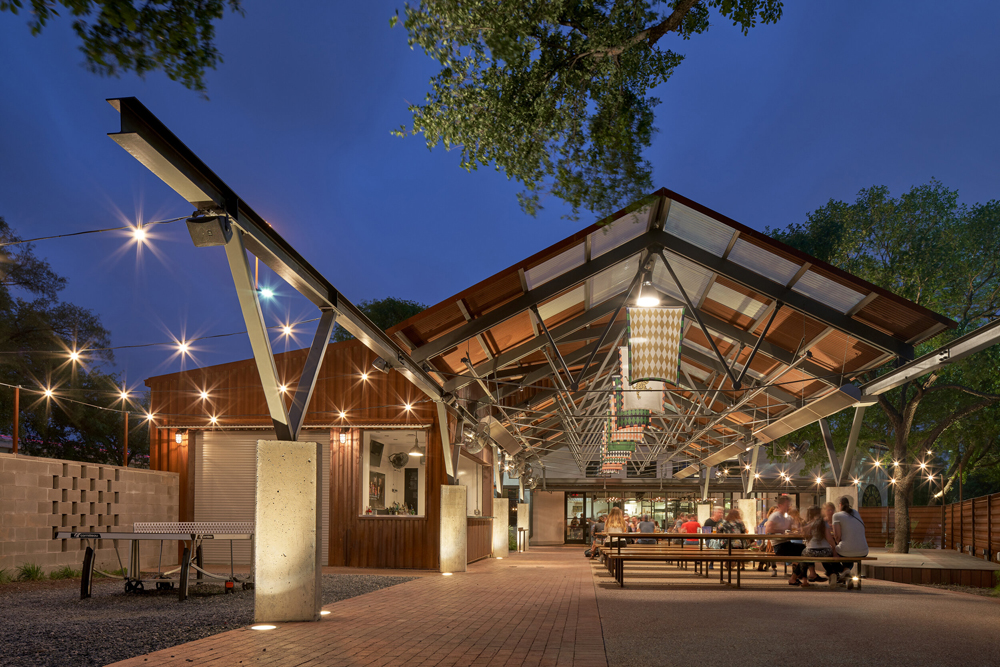
Customer complaints about leaks during flash rain events.
- Problem: Clogged drainage and weakened seams.
- Solution: Cleared the drainage system and added a modified bitumen overlay.
- Relevance: Extended roof life and improved business tenant satisfaction.
3. Central Austin High School Gym
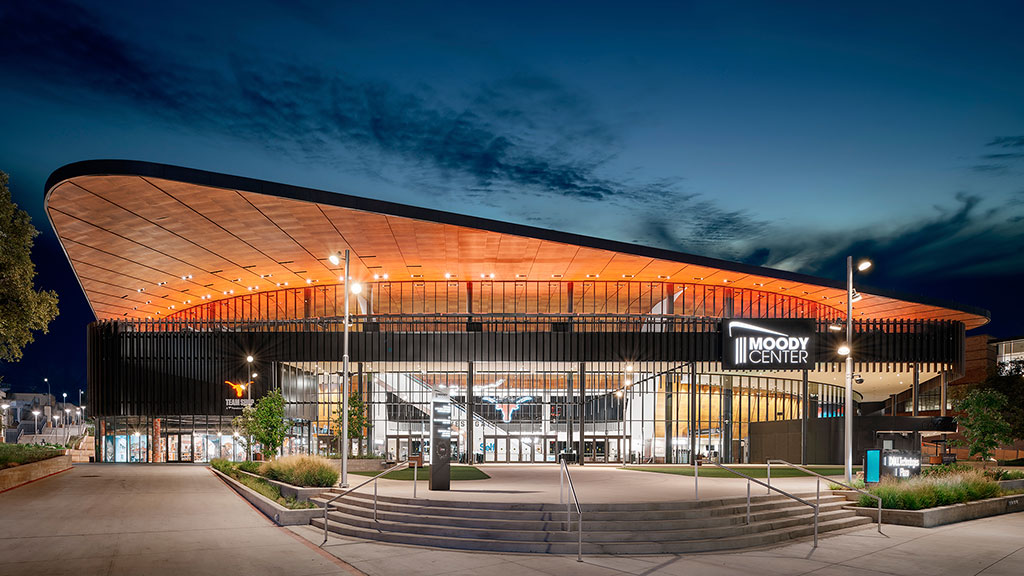
Ponding water and sagging sections compromised student safety.
- Problem: Poor drainage slope and membrane bubbling.
- Solution: Tapered insulation added with reinforced PVC installation.
- Relevance: Eliminated ponding and ensured safe indoor air quality.
4. Medical Office in North Austin
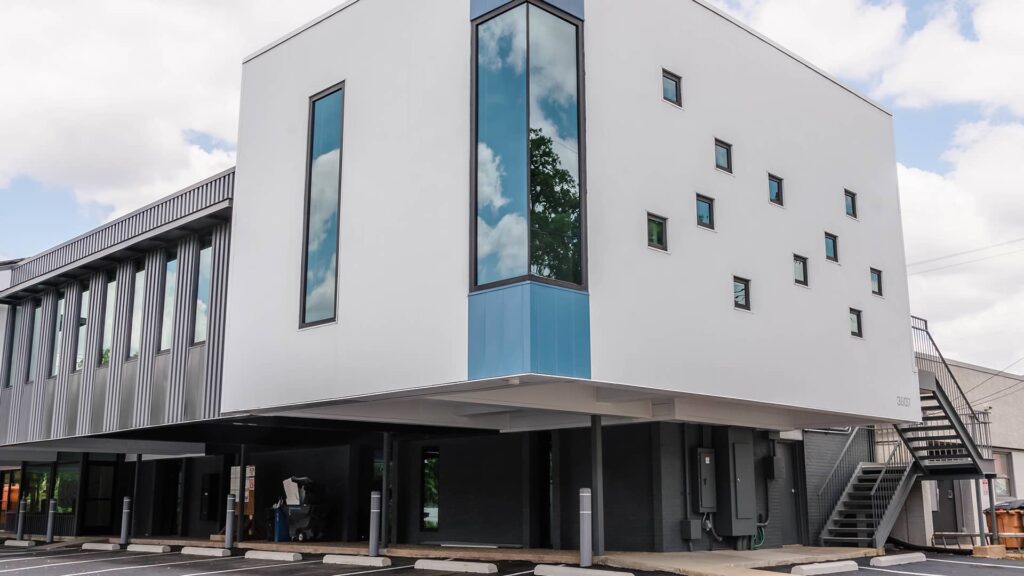
Water stains on ceiling tiles signaled long-term leaks.
- Problem: Flashing deterioration around HVAC curb units.
- Solution: Removed degraded flashings, resealed with thermoplastic materials.
- Relevance: Restored office function and avoided equipment failure.
Why Hiring a Local Austin Roofer Matters
- Local Regulation Knowledge: Austin’s permit process and building codes require precise documentation.
- Faster Response Times: In case of leaks or storm damage, local pros get there faster.
- Tailored Recommendations: They know which materials work best in local microclimates.
- Community Accountability: Austin roofers live and work here; they have reputations to uphold.
- Warranty Compliance: Many product warranties require approved installers familiar with regional conditions.
What Problems Can Austin Commercial Roofers Solve?
- Heat Damage: Reflective membranes prevent energy spikes during summer.
- Stormwater Backup: Proper drainage design avoids roof flooding.
- Tenant Disruption: Fast-response repair services prevent business downtime.
- Mold & Moisture: Repairs and coatings that stop seepage before it leads to health issues.
- Energy Loss: Insulation and roofing upgrades lower utility bills and improve comfort.
FAQ
1. How often should Austin commercial roofs be inspected?
At least twice a year, especially before and after storm seasons. Also, after any hail or wind event.
2. Is Austin commercial roof repair tax-deductible?
Yes. In most cases, roof repairs are deductible as maintenance expenses. Always confirm with your tax advisor.
3. How do I choose the right Austin roofing contractor?
Look for local licensing, insurance, manufacturer certifications, and recent references from commercial clients.