When it comes to commercial flat roof repair, speed, precision, and durability are essential. Business operations often depend on what’s happening overhead. Whether it’s a retail building, office complex, school, or warehouse, a damaged flat roof can lead to water intrusion, mold, and expensive downtime.
This guide dives deep into the essentials of flat roof repair for commercial buildings, from identifying the root problems to applying the latest repair methods and materials. You’ll also explore how technology has elevated repair precision and real-life examples showing smart roofing in action.
Common Problems in Commercial Flat Roofs
Flat roofs are highly practical but prone to specific issues due to their structure. Unlike pitched roofs, water doesn’t naturally run off, meaning drainage must be carefully designed and maintained.
Problems typically include membrane blisters, ponding water, cracks, UV degradation, and flashing failures. Over time, even well-installed roofs may develop seam separations or moisture buildup beneath the surface.
Key Repair Methods Used for Commercial Flat Roofs
- Patching Membrane Systems: A quick fix for isolated damage, often used with EPDM or TPO. Technicians clean and reseal with matching materials.
- Liquid-Applied Roofing Systems: Ideal for re-coating the entire roof. These flexible materials create a seamless, waterproof barrier and work well over aged roofs.
- Flashing Replacement: Common around HVAC units or drains where water may penetrate. Updating or resealing flashing is often necessary.
- Tapered Insulation Systems: Applied when ponding becomes a problem. This improves drainage without major structural changes.
- Infrared Moisture Detection: Helps determine if deeper damage exists under the surface, guiding contractors on whether to repair or replace sections.
How Technology is Changing Flat Roof Repairs
Roofing contractors today rely heavily on tech-driven tools that weren’t common just a decade ago.
- Thermal Cameras: Detect water trapped under membrane layers without tearing anything open. This cuts costs and improves accuracy.
- Drones with HD Imaging: Allow for full-roof inspections even in large commercial buildings. They identify cracks, flashing damage, or pooling water from above.
- Moisture Scanners: Used to map internal roof damage in areas where water intrusion is invisible.
- Digital Maintenance Logs: Professional roofers now deliver full inspection reports with time-stamped photos and repair notes.
These tools not only improve repair outcomes but also help building owners make informed budget decisions.
Real-World Use Cases of Commercial Flat Roof Repair
1. Manufacturing Facility in Ohio
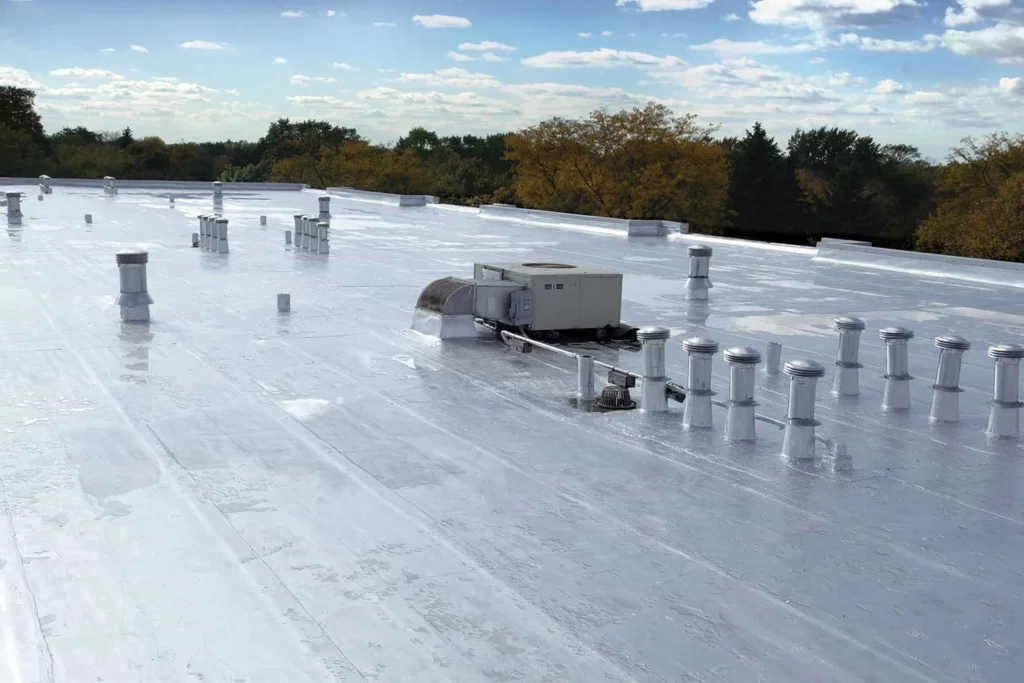
Repeated leaking in a high-voltage machinery area.
- Problem: Deteriorated TPO seams and poor drainage.
- Solution: Applied silicone coating system and rerouted drains.
- Relevance: Prevented equipment damage and electrical hazards.
2. University Library in Arizona
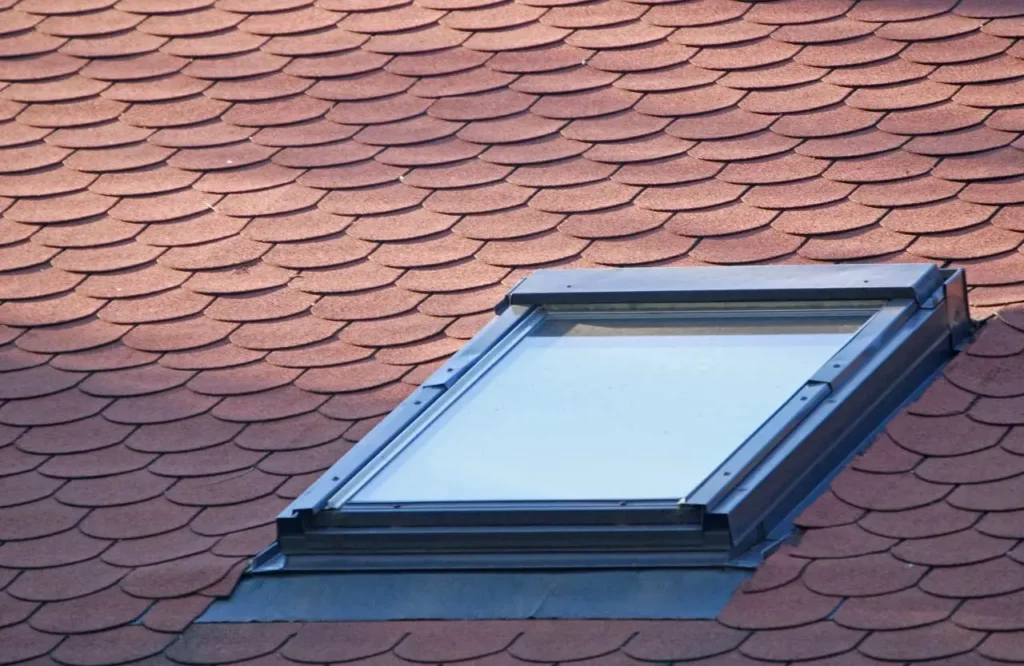
Heat and UV exposure had caused membrane shrinkage.
- Problem: Flashing failure around skylights.
- Solution: Replaced EPDM sections and installed white reflective coating.
- Relevance: Reduced interior temperature and protected valuable archives.
3. Shopping Center in Illinois
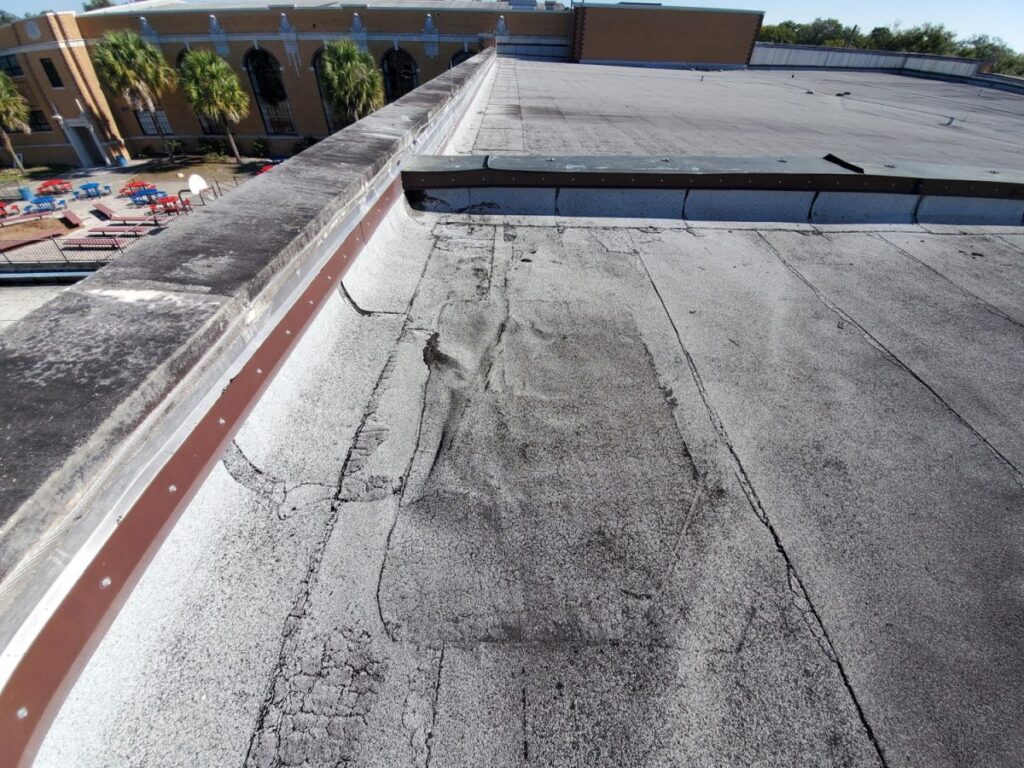
Recurring ceiling stains in tenant units.
- Problem: Wet insulation and blistering under the roof.
- Solution: Removed wet areas, resealed with bitumen patching, then coated.
- Relevance: Preserved lease agreements and improved property value.
4. Logistics Warehouse in Georgia
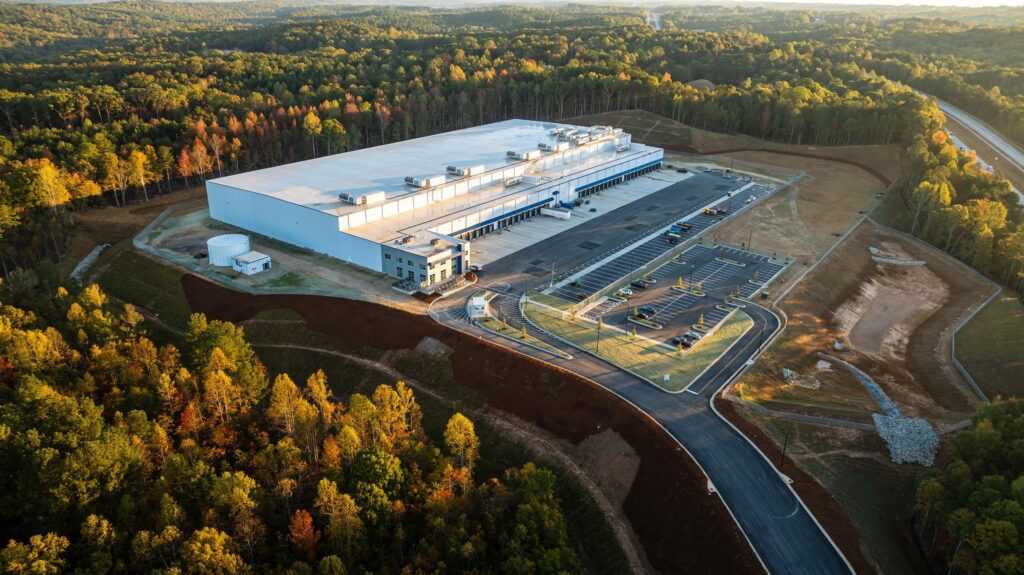
Sagging sections where forklifts moved inventory underneath.
- Problem: Ponding water and UV degradation.
- Solution: Installed tapered insulation with elastomeric coating.
- Relevance: Improved drainage and reduced slip hazards.
Advantages of Timely Commercial Flat Roof Repairs
- Cost Savings: Early repairs prevent large-scale replacements, saving tens of thousands over time.
- Business Continuity: Minimizes disruptions for tenants, workers, or customers.
- Energy Efficiency: Sealed roofs reflect sunlight better and reduce HVAC strain.
- Building Preservation: Reduces the risk of water damage, mold, or compromised structural integrity.
- Extended Warranty Eligibility: Many roofing warranties require documented inspections and repairs.
Use Cases: Problems That Flat Roof Repairs Solve
- Water Intrusion: Pooled water can leak through micro-cracks and cause slow internal damage.
- Energy Loss: Cracks or wet insulation lead to poor temperature regulation and rising energy bills.
- Safety Hazards: Interior ceiling collapse, slip risks, or mold exposure are all tied to ignored leaks.
- Legal Liability: Neglected roofs can lead to insurance claims, fines, or lawsuits from occupants.
- Asset Depreciation: A leaky roof diminishes building value and discourages buyers or tenants.
FAQ
1. How do I know if my commercial flat roof needs repair or replacement?
A professional inspection using infrared and moisture tools can reveal the extent of damage. If more than 25% is compromised, replacement may be needed.
2. What is the typical cost of commercial flat roof repair?
Costs vary by material and damage size but range from $4–$12 per square foot. Preventive maintenance is always cheaper than emergency fixes.
3. How long do commercial flat roof repairs last?
High-quality repairs can last 5–15 years, depending on the materials used, the climate, and regular maintenance.