Searching for commercial flat roofers near me brings up a long list of options, but which one truly understands the complexity of flat roofing systems? From water ponding to membrane cracks, flat roofs demand a specific set of skills and equipment. Hiring a roofer who lacks experience in flat commercial systems can cost thousands in ineffective repairs.
This guide covers what defines a qualified commercial flat roofer, the technologies they use, case studies that highlight their value, and practical benefits that make hiring local experts a smart move.
Why Hiring Flat Roof Specialists Matters
Unlike pitched roofs, commercial flat roofs require different materials, drainage strategies, and installation techniques. Flat roofing systems such as TPO, EPDM, and modified bitumen each come with their own maintenance requirements and vulnerabilities.
A general contractor may not fully understand how water migrates across flat surfaces or how improper sealing around equipment can lead to leaks. Specialized flat roofers are trained to spot issues unique to these systems before they escalate.
Advanced Tools Used by Professional Flat Roofers
Insert image of the product format (Photo of a roofer using a thermal camera to inspect a flat roof)
- Infrared Thermal Scanning: This detects water beneath the membrane that hasn’t surfaced yet. It’s critical for pre-repair inspections and post-repair validation.
- Drone Surveys: Drones capture aerial images of the entire roof, identifying problem areas and giving property owners a visual map of wear and tear.
- Moisture Detection Devices: These are used to locate wet insulation without needing to rip up the surface.
- Robotic Welders: For TPO and PVC seams, robotic heat welders provide stronger, cleaner finishes than manual applications.
- Digital Project Dashboards: Top-tier roofers use cloud-based platforms to share progress updates, photo logs, and warranty data.
Real-World Use Cases of Flat Roof Expertise in Action
1. Industrial Warehouse in Columbus, OH
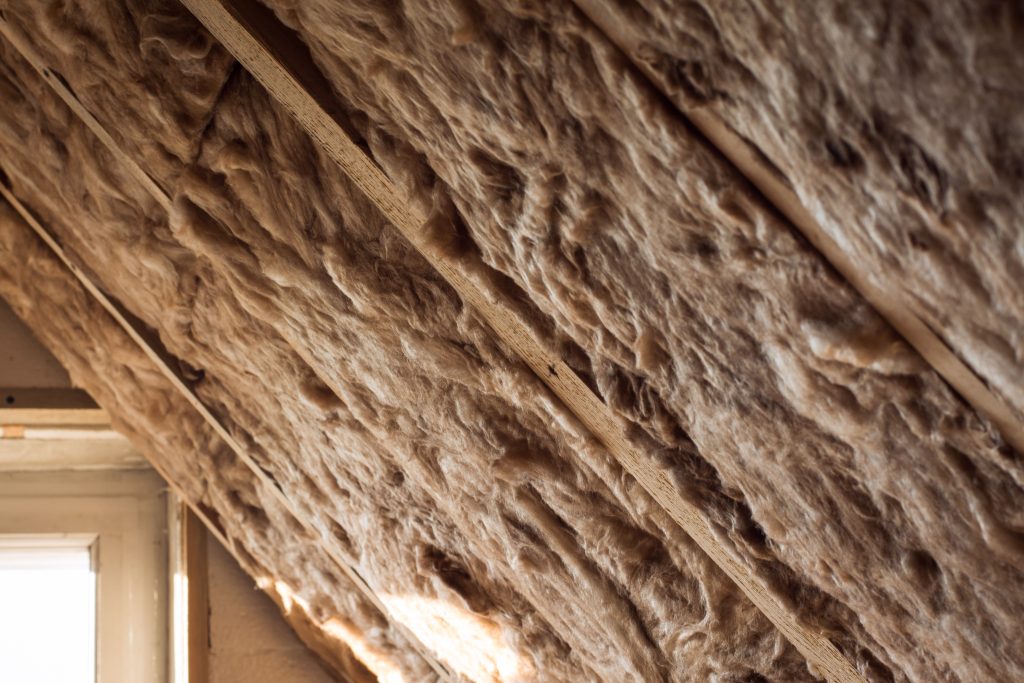
A company reported increasing HVAC costs and suspected roof issues.
- Problem: Wet insulation and UV-damaged TPO membrane.
- Solution: Moisture scan revealed affected areas, followed by partial membrane replacement and insulation upgrade.
- Relevance: HVAC efficiency improved by 22%, with reduced maintenance issues.
2. Shopping Center in Tucson, AZ
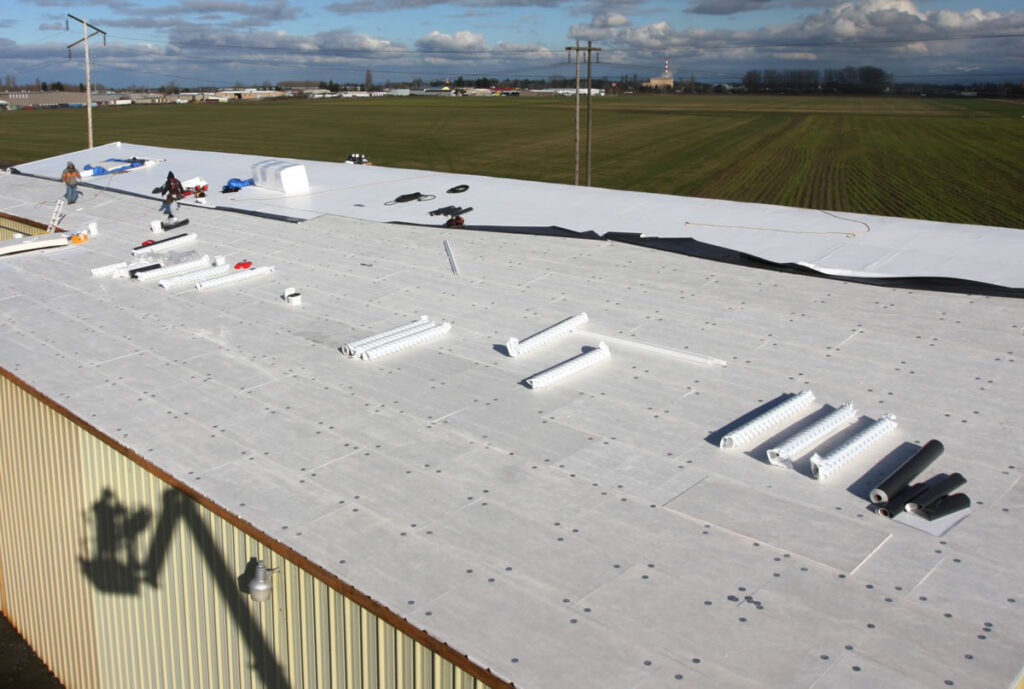
Retail tenants complained of leaks and visible stains during the rainy season.
- Problem: Shrinking seams and poor slope design.
- Solution: Drone inspection + tapered insulation install + full EPDM reseal.
- Relevance: Restored tenant confidence and avoided legal issues for the landlord.
3. Public Library in Minneapolis, MN
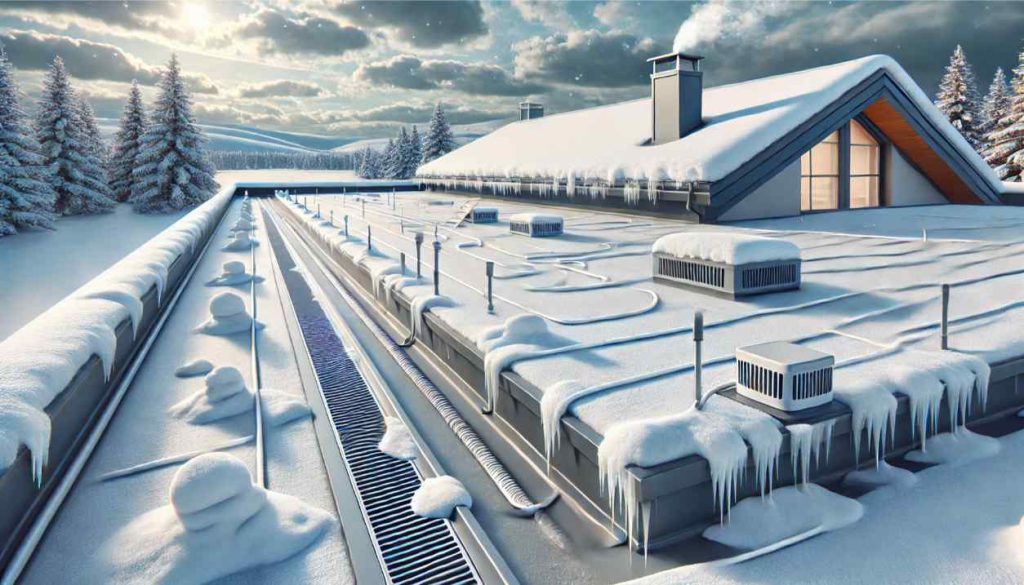
Snow accumulation caused ponding water and ice damage.
- Problem: Inadequate drainage due to blocked scuppers.
- Solution: Installed wider drains, cleared scuppers, and added a silicone topcoat for UV and snow protection.
- Relevance: Library operations resumed with no additional closures.
4. Cold Storage Facility in Atlanta, GA
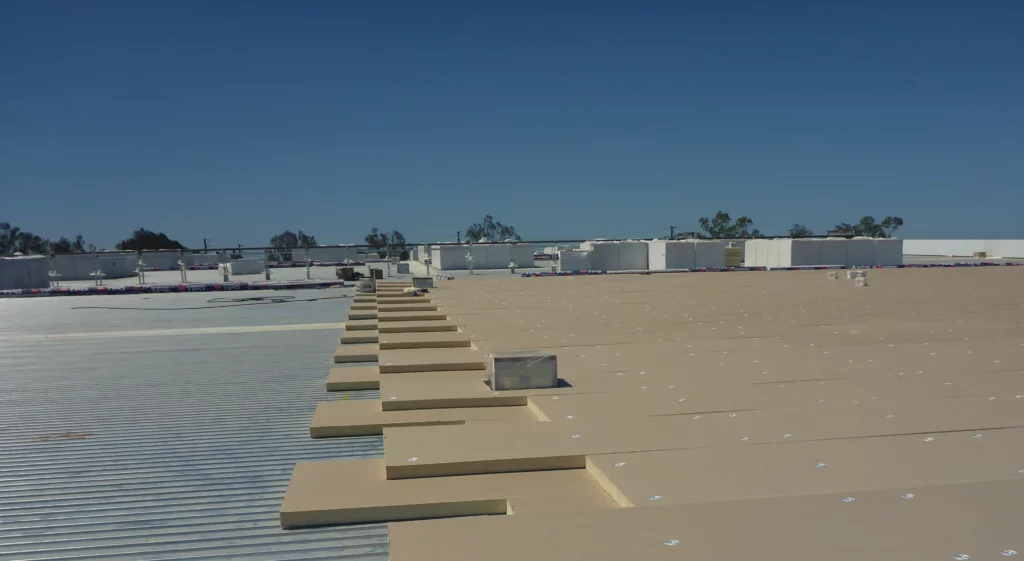
Temperature control was compromised due to leaks in the roof above freezer zones.
- Problem: Condensation leaks and membrane gaps around vents.
- Solution: Used thermal imaging to isolate leak zones, sealed with custom-cut TPO patches.
- Relevance: Protected perishable goods and restored energy efficiency.
5. University Gymnasium in San Diego, CA
Persistent odor and moisture-damaged interior paint and flooring.
- Problem: Poor-quality roof previously installed without slope correction.
- Solution: Full tear-off with tapered polyiso insulation and reflective TPO system.
- Relevance: Gym re-opened in time for student orientation with enhanced aesthetics and comfort.
Benefits of Hiring Commercial Flat Roofers Near You
- Local Weather Adaptation: Flat roofing needs differ based on humidity, snow, heat, and storm frequency. Local roofers tailor materials and techniques accordingly.
- Fast Emergency Response: Flat roofs are prone to sudden leaks. Local crews can often mobilize same-day, minimizing damage and safety risks.
- Better Long-Term Maintenance: Local flat roofers often offer service agreements and seasonal checkups tailored to your climate.
- Knowledge of Local Regulations: From fire codes to stormwater runoff requirements, local pros know how to keep your building compliant.
- Better Accountability: If something goes wrong, they’re not a state away. Local roofers often have better follow-through and community reputation.
What Problems Can Commercial Flat Roofers Help Solve?
- Energy Waste Due to Wet Insulation: Damaged insulation increases heating/cooling costs. Professional flat roofers restore R-value and reduce waste.
- Roof Leaks Near Equipment: HVAC units, skylights, and vents are common leak sources. Experts seal these areas with durable flashings.
- Interior Damage During Rain: Water seeping into ceilings causes mold and property damage. Prompt repair prevents escalation.
- Ponding Water Hazards: Poor slope design or clogged drainage systems cause standing water, which can rot the structure over time.
- UV or Storm Damage: Sun and hail wear down membranes. Certified flat roofers apply coatings or reinforcement before replacement is needed.
FAQ
1. How do I know if I need a flat roof specialist rather than a general roofer?
If your building has a membrane-based or low-slope system (like TPO or EPDM), you need a roofer who specializes in flat commercial systems. Their training and tools differ from residential installers.
2. How often should I have my commercial flat roof inspected?
Twice a year is ideal, usually spring and fall. Additional inspections should follow major storms or after visible damage.
3. Can commercial flat roofers extend the life of my current system?
Yes. Many offer coating systems, patch repairs, and preventative maintenance plans that can extend roof life 5–10 years without full replacement.