Looking for commercial flat roofing contractors near me is more than just a local Google search; it’s about finding professionals with proven expertise in handling complex flat roofing systems. Whether you’re dealing with leaks, energy inefficiencies, or aging membranes, hiring experienced contractors can protect your investment and reduce long-term costs.
This guide explains why local commercial flat roofing contractors are essential, how technology is improving roofing results, and what real-world examples reveal about the value they bring.
Why Specialization in Commercial Flat Roofing Matters
Flat roofs demand specific knowledge in drainage, material compatibility, and structural load management. Unlike pitched residential roofs, flat systems use membranes like TPO, EPDM, PVC, or modified bitumen that require precision installation and unique maintenance routines.
Contractors without dedicated flat roofing experience often miss critical issues like moisture buildup, improper flashing, or ponding water patterns. A contractor specialized in flat roofs not only prevents these problems but also extends the life of the entire roofing system through targeted solutions.
Technology That Top Commercial Flat Roofing Contractors Use
- Infrared Moisture Scanning: Essential for detecting trapped water under the membrane before it turns into mold or structural rot.
- Drones for Aerial Surveys: Provide high-resolution imagery for inspection, particularly useful on large or obstructed rooftops.
- Electronic Leak Detection: Tools like vector mapping systems pinpoint leaks without invasive testing.
- Heat Welding Equipment: Robotic welders deliver consistent seams, especially important for thermoplastic membranes like TPO and PVC.
- Digital Documentation: Cloud-based platforms store repair histories, maintenance schedules, and warranty tracking for transparency and planning.
Real-World Case Studies of Expert Contractors in Action
1. Logistics Hub in Indianapolis, IN
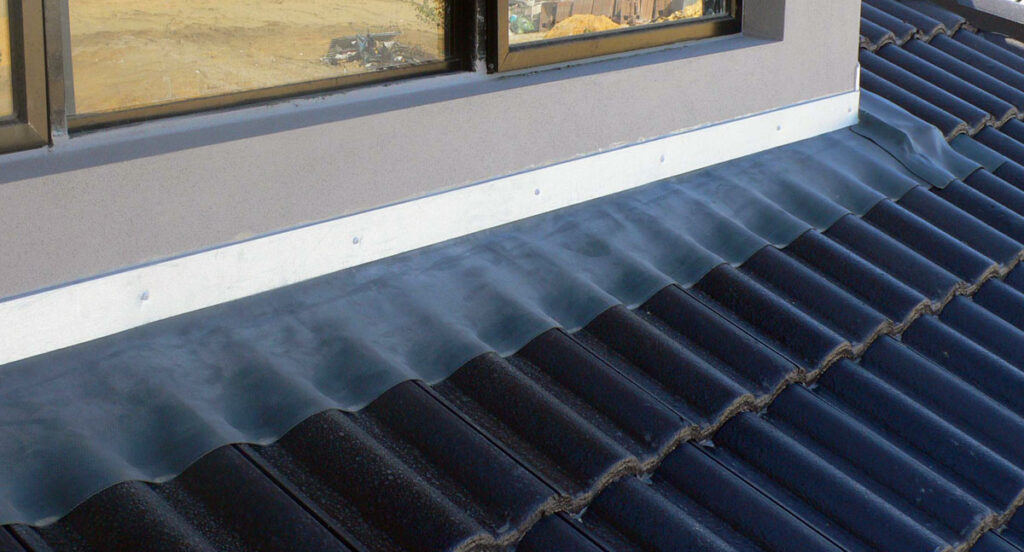
The facility faced massive HVAC-related leaks due to faulty flashings and improper slope.
- Problem: HVAC condensate pooling near vents, seeping into membrane layers.
- Solution: Tapered insulation install, custom flashing rebuild, and thermal sealants.
- Relevance: Improved drainage and cut down annual repair requests by 60%.
2. Community Center in Raleigh, NC
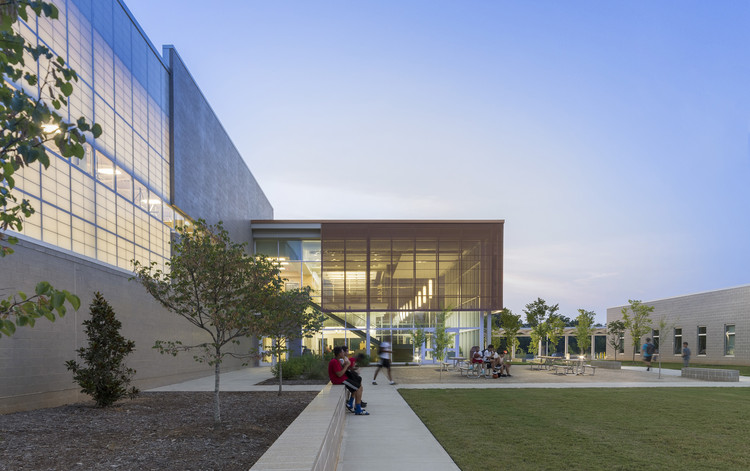
During hurricane season, water damage caused delays in public services.
- Problem: Inadequate drainage and an old modified bitumen roof.
- Solution: Full membrane overlay with a PVC system and new scupper installation.
- Relevance: Enhanced storm preparedness while improving energy efficiency.
3. Convention Hall in Chicago, IL
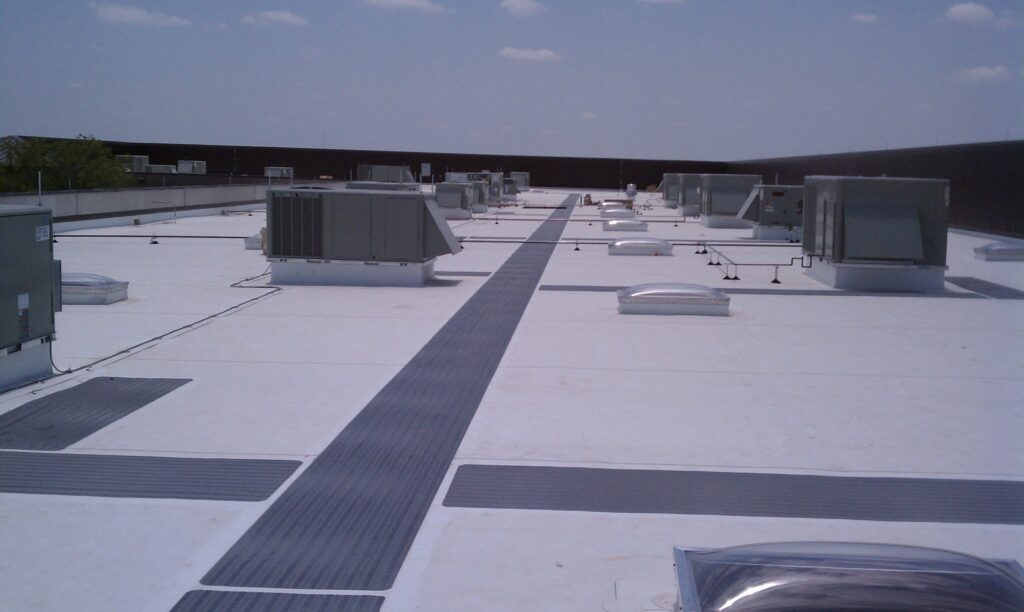
High foot traffic on the roof from media equipment caused membrane wear.
- Problem: Repeated foot damage on the TPO membrane near the event antennas.
- Solution: Installation of walkway pads and a reinforced PVC layer.
- Relevance: Protected high-traffic zones and extended membrane life.
4. School District Roof Upgrade in Sacramento, CA
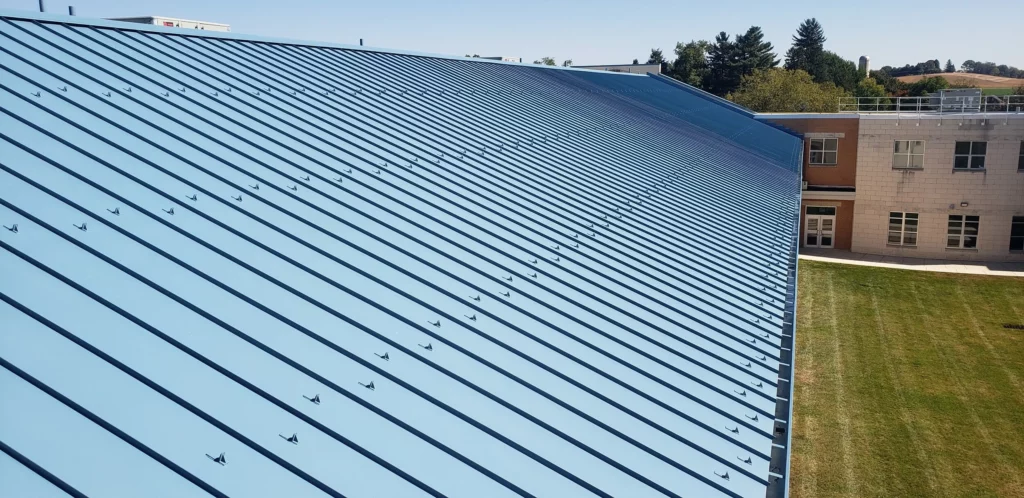
The school needed work completed during summer break with a tight timeline.
- Problem: Cracks, leaks, and UV damage on multiple buildings.
- Solution: Coordinated a multi-crew project with silicone restoration membrane.
- Relevance: Timely completion before the school year with minimal budget impact.
5. Cold Chain Storage in Minneapolis, MN
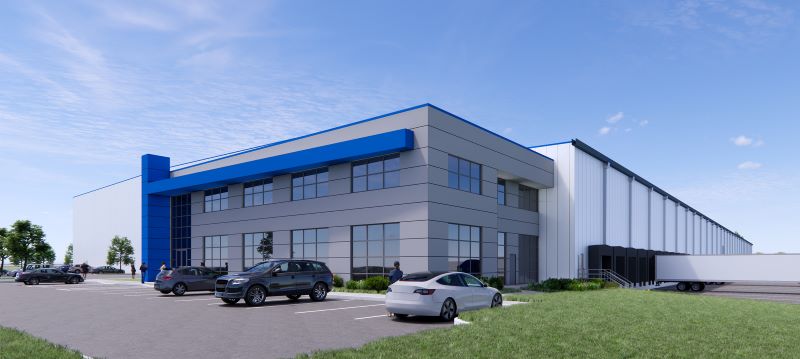
Leaks threatened product spoilage in sub-zero storage conditions.
- Problem: Seam separation during freeze-thaw cycles.
- Solution: Full seam resealing using robotic welders, plus roof insulation upgrades.
- Relevance: Maintained internal temperatures and prevented costly product loss.
Benefits of Hiring Local Commercial Flat Roofing Contractors
- Quick Access in Emergencies: Local teams arrive faster, often minimizing damage when storms or leaks occur suddenly.
- Familiarity with Regional Conditions: From snow accumulation to hurricane risks, local pros know what systems work best.
- Cost Savings on Mobilization: You save on travel fees, freight, and accommodation expenses when you hire locally.
- Code Compliance Confidence: Local contractors are up-to-date with municipal permits and state safety laws.
- Community Reputation: Local companies thrive on word-of-mouth, pushing them to maintain higher service standards.
What Problems Can Flat Roofing Contractors Help Solve?
- Recurring Water Intrusion: Without proper sealing and flashing, even small leaks can become costly interior repairs. Expert contractors get to the source fast.
- Outdated Insulation: Older roofs often have failing insulation. Upgrades restore energy efficiency and qualify for energy credits.
- Safety Hazards from Ponding Water: Standing water degrades membrane materials and can create slip zones. Contractors resolve this with tapered insulation and redesigned drainage.
- Compliance Risk: For food facilities, schools, and hospitals, roof issues can shut down operations. Certified contractors help ensure passable inspection outcomes.
- Tenant Complaints and Downtime: Retail centers and multi-tenant buildings suffer when leaks disrupt business. Flat roof contractors minimize impact through phased or off-hours work.
FAQ
1. How do I confirm if a contractor is qualified for flat roofing?
Look for manufacturer certifications (like Carlisle, Firestone, GAF), local licenses, insurance proof, and references from previous flat roof projects.
2. What roofing materials do commercial flat contractors use?
They specialize in systems like TPO, EPDM, PVC, modified bitumen, and silicone coatings, each with benefits based on your climate and usage.
3. Can flat roofing contractors help with energy-efficient roofing?
Yes. They often recommend white membranes, reflective coatings, or insulation upgrades to reduce HVAC loads and qualify for green incentives.