When you search for commercial roof contractors near me, you’re likely facing an urgent issue, such as leaks, aging materials, storm damage, or expansion needs. Commercial roofing isn’t just bigger than residential; it’s more complex. With flat roof systems, advanced materials, and code requirements, you need a contractor who specializes in commercial solutions.
This article will guide you through what to expect from local commercial roofing professionals, how tech is changing the industry, and real-life projects that show how these contractors deliver results.
Why You Need a Specialized Commercial Roofing Contractor
Unlike residential roofing, commercial projects require different materials, installation methods, and knowledge of building codes. A reliable contractor should:
- Understand large surface applications like TPO, EPDM, or modified bitumen
- Be licensed and insured to meet local building codes
- Provide documentation and compliance records for building owners or HOAs
- Offer scalable repair and maintenance solutions for buildings of various sizes
With commercial properties, the risks of poor roofing work include operational downtime, liability, and inventory loss. So expertise matters.
How Technology Is Shaping the Commercial Roofing Industry
Contractors near you are increasingly using high-tech tools to offer safer, faster, and more transparent roofing services:
- Drones for Aerial Surveys: Assess large roofs quickly, even in areas unsafe for human access.
- Thermal Imaging: Spot heat loss, moisture damage, or insulation issues under the surface.
- Cloud-Based Project Management: Gives clients real-time access to photos, updates, and job status.
- Digital Roofing Models: Use 3D scans and CAD data to plan new roofs or repairs.
These tools help reduce downtime and increase accuracy, making projects more cost-effective.
Real-World Examples of Commercial Roof Projects
1. Precision Roofing Co. (Warehouse in Tampa, FL)
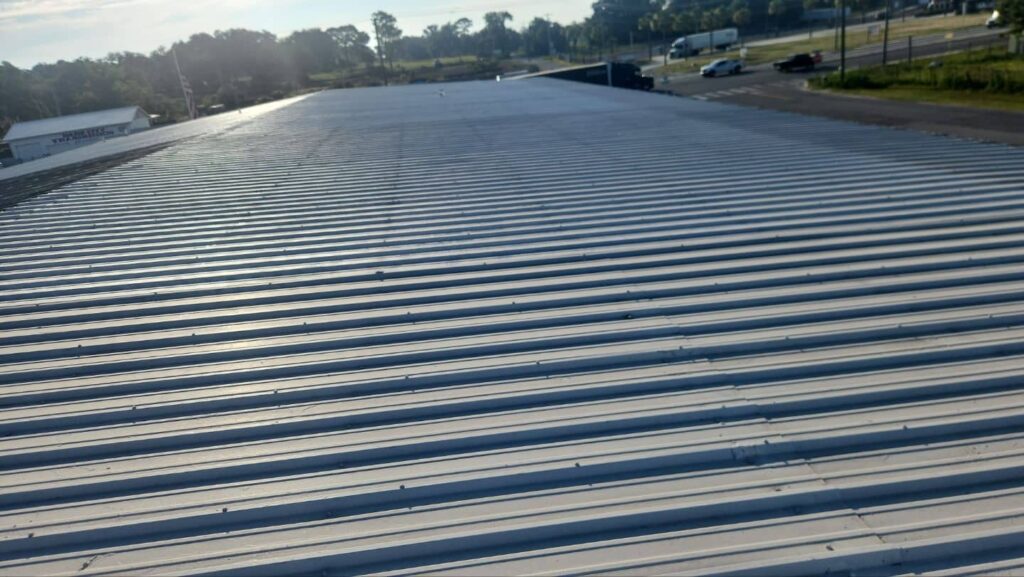
- Problem: Severe ponding on the flat roof led to interior leaks.
- Solution: Re-sloped sections using an insulation taper system and installed a white TPO membrane.
- Relevance: Improved energy efficiency and water runoff, avoiding costly downtime.
2. RoofLogic Experts (Downtown Office Complex, Phoenix, AZ)
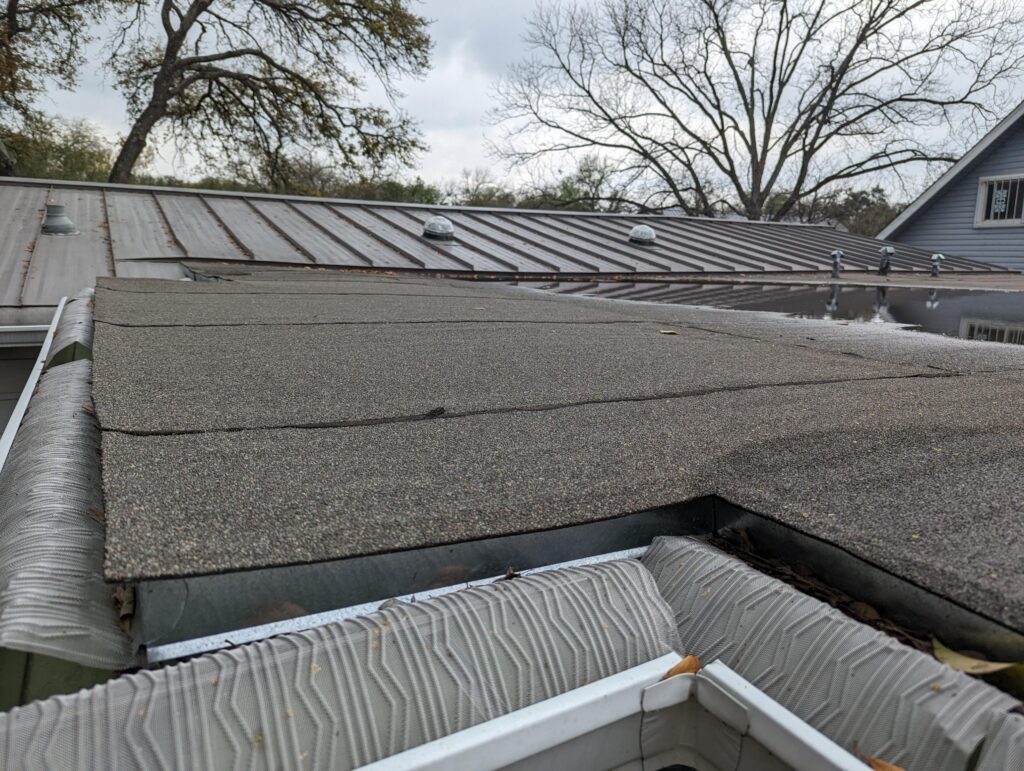
- Problem: The Aging modified bitumen roof cracked and split in multiple areas.
- Solution: Torch-applied repair and membrane overlays plus UV-resistant coating.
- Relevance: Increased durability without needing a complete replacement.
3. Apex Roof Solutions (Shopping Plaza in Atlanta, GA)
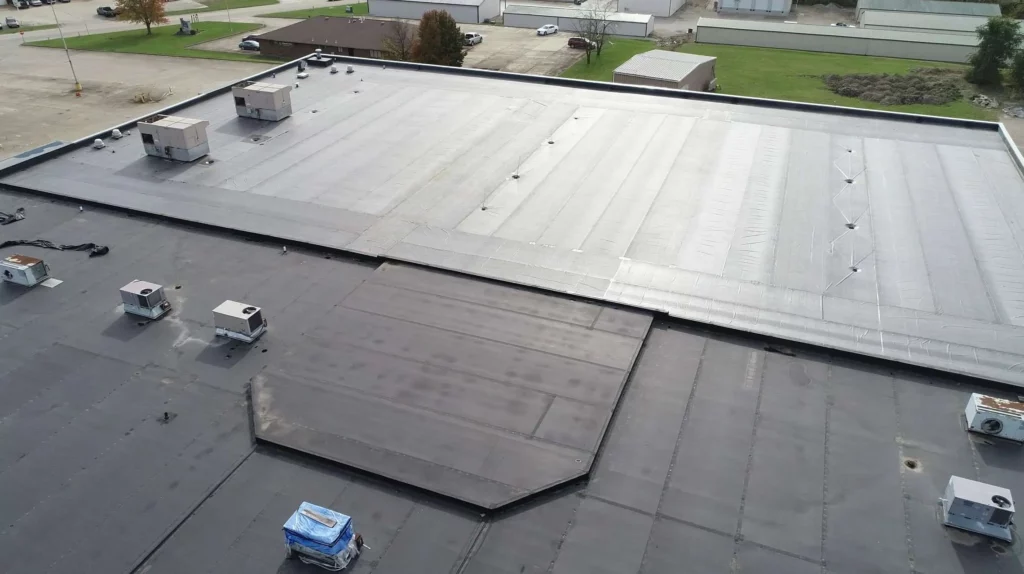
- Problem: Tenants reported roof vibration, noise, and leaks during storms.
- Solution: Structural reinforcement and new EPDM installation with soundproof underlayer.
- Relevance: Improved tenant satisfaction and retained lease agreements.
4. Skyline Industrial Roofing (Distribution Center in Dallas, TX)
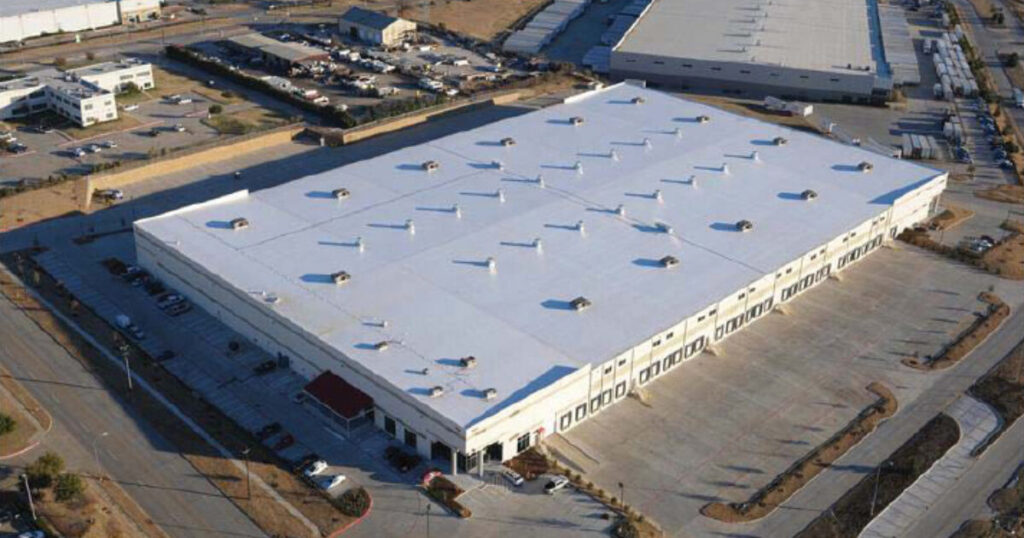
- Problem: HVAC units caused localized membrane damage from vibration.
- Solution: Installed reinforced walk pads and vibration dampers under units.
- Relevance: Prolonged roof life and minimized repair frequency.
Benefits of Hiring Local Commercial Roof Contractors
- Rapid Response: Local teams can be on-site within hours after a storm or emergency.
- Knowledge of Code: They understand local zoning and safety requirements.
- Trusted Network: Access to regional suppliers and licensed subcontractors.
- Emergency Service Readiness: Equipped for rapid mobilization and tarping.
- Maintenance Plans: Local firms offer seasonal inspections and preventative plans.
Use Cases for Hiring Commercial Roof Contractors
- Storm Damage Response: Immediate assessment and mitigation after hail, wind, or hurricane events.
- Building Expansion: Integrating new construction into existing roofing infrastructure.
- Warranty Maintenance: Keeping up with manufacturer requirements to maintain long-term warranty protection.
- Insurance Documentation: Proper evaluation reports and before/after imagery for claim processing.
- Tenant Lease Turnover: Renovating or replacing roofs before bringing in new tenants.
FAQ
1. What materials do commercial roof contractors commonly use?
TPO, EPDM, modified bitumen, and metal are standard materials. Choice depends on climate, usage, and budget.
2. How often should commercial roofs be inspected?
Ideally, twice a year, before and after the storm seas, on or immediately after extreme weather.
3. Are maintenance plans worth it for commercial roofs?
Yes. Regular maintenance prevents small issues from escalating, helping extend the lifespan of the roof, avoiding emergency repairs.