Finding reliable local commercial roofing companies is crucial when you’re facing urgent repairs, planning major renovations, or simply maintaining your facility. While national brands may offer broad services, local providers bring speed, specialized knowledge, and familiarity with regional building codes.
From emergency leak fixes to energy-efficient upgrades, local experts are often more responsive and cost-effective. This guide will help you understand what sets local commercial roofers apart and why they often outperform larger firms in real-world scenarios.
What Sets Local Commercial Roofing Companies Apart
Local companies aren’t just nearby, they’re invested in the community. These businesses rely on reputation, client referrals, and repeat contracts. As a result, their attention to detail, accountability, and service quality often surpasses that of out-of-town providers.
They also tend to understand regional issues better. Whether it’s navigating snow loads in northern climates or UV exposure in the South, they tailor their services and material choices accordingly.
Technological Tools Local Roofers Are Using Today
- Drone Surveillance for Quick Estimates: Local roofers use drones to scan large or hard-to-access roofs, delivering accurate visuals without the need for scaffolding or ladders.
- Moisture Detection Equipment: Advanced handheld scanners help locate leaks and trapped moisture in insulation layers critical for repairs without full replacement.
- Digital Reporting Platforms: Many local companies now provide clients with cloud-based photo logs, project timelines, and maintenance records.
- Thermal Imaging Cameras: These devices detect hidden water damage or energy loss areas, especially on flat or metal roofs.
- AutoCAD or 3D Modeling Software: For larger repairs or renovations, modeling software helps clients visualize options and track structural changes.
Real-World Case Studies of Local Roofing Excellence
1. Auto Parts Warehouse in Cincinnati, OH
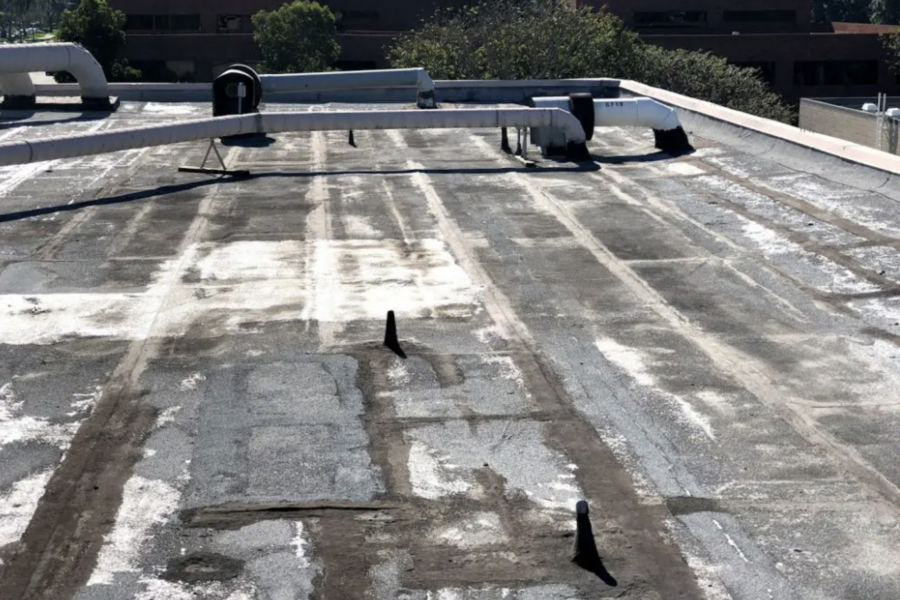
A leaking warehouse roof impacted shipping and inventory. The client hired a nearby contractor known for fast emergency repairs.
- Problem: Multiple leaks from the aging membrane and standing water.
- Solution: Drainage redesign and partial TPO retrofit in high-traffic areas.
- Relevance: Showcases how proximity allowed faster turnaround and minimized business disruption.
2. College Campus Renovation in Boulder, CO
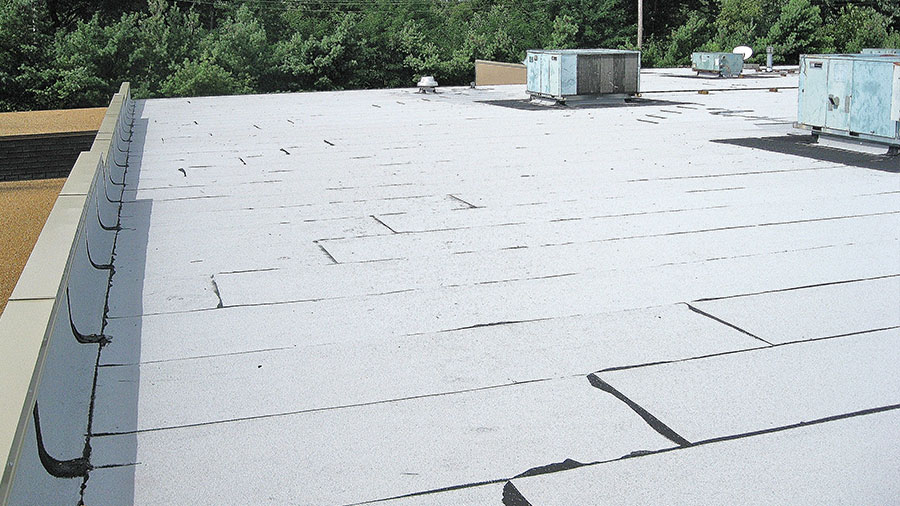
The university needed phased roof repairs over summer break. They chose a locally certified roofer for tight scheduling.
- Problem: Outdated modified bitumen across multiple buildings.
- Solution: Cold-applied systems installed building-by-building on weekends.
- Relevance: Demonstrates the flexibility and planning precision of a local contractor.
3. Bakery Production Facility in Savannah, GA
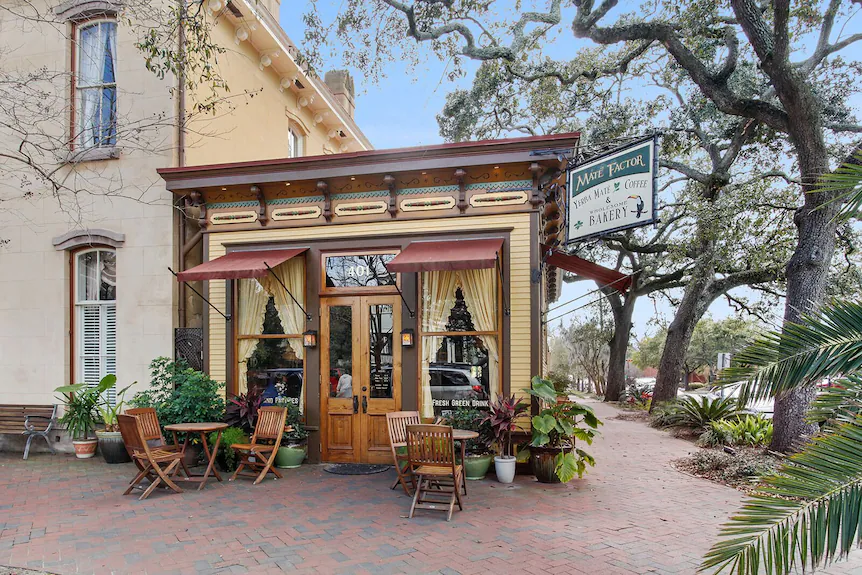
Humidity inside the bakery caused condensation and mold. A local roofer was brought in for a thermal inspection.
- Problem: Poor ventilation and saturated insulation.
- Solution: Ventilation upgrades, insulation replacement, and silicone coating.
- Relevance: Highlights how local roofers adapt solutions to climate and food safety standards.
4. Strip Mall Refurbishment in Las Vegas, NV
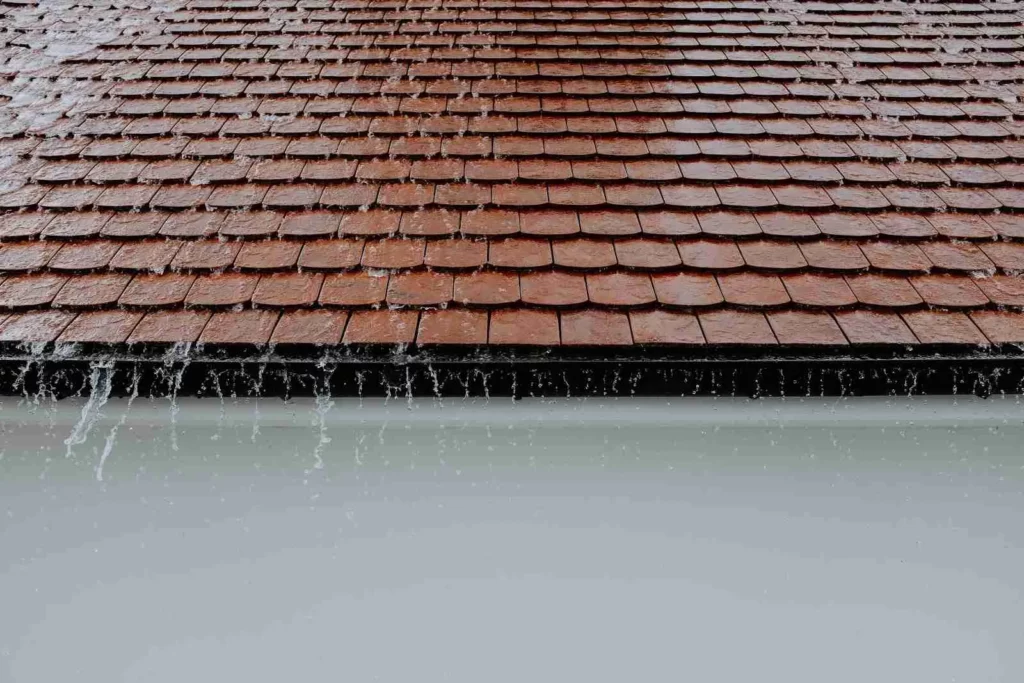
Multiple retail tenants complained of leaks during the monsoon season.
- Problem: Degraded seams and inconsistent slope.
- Solution: Applied tapered insulation, sealed seams, and reflective coating.
- Relevance: Illustrates cost-effective problem-solving from a regional expert familiar with local weather patterns.
5. Government Facility in Albany, NY
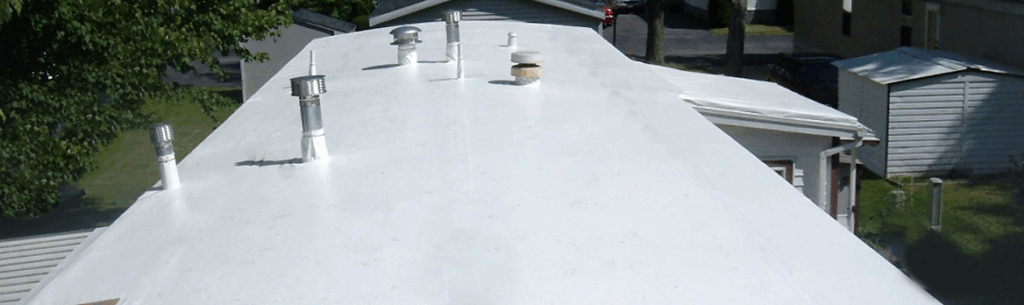
The building required compliance with state sustainability goals. Local firms were prioritized.
- Problem: High heat absorption and energy waste.
- Solution: White TPO roofing system with added insulation and solar-ready design.
- Relevance: Emphasizes how local roofers support public sector sustainability efforts.
Benefits of Choosing Local Commercial Roofing Companies
- Faster Emergency Response: A nearby team can reach your site the same day, often reducing repair costs and preventing further damage.
- Familiarity with Regulations: Local crews are up-to-date with regional and municipal codes, preventing legal delays or inspection issues.
- Tailored Maintenance Programs: These companies understand local weather cycles and create inspection plans to match them.
- More Personalized Service: With fewer clients than national chains, local roofers often provide better communication and long-term follow-up.
- Support for Local Economy: Hiring a local roofer circulates money within your community and supports job growth.
What Common Problems Do Local Commercial Roofing Companies Solve?
- Unresolved Leaks: National firms often miss follow-ups. Local crews are easier to reach and more motivated to ensure full repair success.
- Seasonal Storm Damage: Snow, hail, or wind damage needs immediate attention. Local providers are better prepared and staffed to respond quickly.
- Inefficient Roof Systems: Outdated materials or designs lead to rising energy costs. Local experts can recommend cost-effective upgrades.
- Poor Drainage and Ponding: Flat roofs require customized slope design, which locals understand based on city infrastructure and rainfall data.
- Compliance Failures: Inspections and permits are easier to handle with a crew that knows the inspectors and required documentation.
FAQ
1. How do I verify the credentials of a local commercial roofer?
Ask for state licenses, proof of insurance, manufacturer certifications, and local project references. Online reviews and business directories can also help.
2. Do local commercial roofers handle large-scale jobs?
Yes. Many are equipped for industrial-sized buildings, especially if they specialize in commercial projects. Ask about previous projects in your area.
3. What roofing systems do local commercial companies work with?
They typically handle TPO, EPDM, metal, PVC, modified bitumen, and green roofing systems. They choose systems based on your climate, usage, and budget.