Your roof works silently, shielding you from rain, wind, sun, and snow. But when problems arise, leaks, missing shingles, or sagging areas, residential roof repairs become the top priority. This guide explains what these repairs involve, how to spot trouble early, and why professional help is often worth every cent.
Understanding Residential Roof Repairs
Residential roof repairs cover a wide range of fixes depending on the type of material and the nature of the issue.
Common Issues Requiring Roof Repairs
Leaks, punctures, cracked shingles, and broken flashing are among the most frequent problems. Poor ventilation or clogged gutters can also lead to water accumulation, increasing the chance of structural damage.
What Repairs Usually Include
Repairs can range from replacing individual shingles and resealing vents to fixing underlying plywood or addressing mold and mildew. A professional roofer typically starts with an inspection before suggesting necessary fixes.
How to Spot Signs You Need Roof Repairs
Roof damage isn’t always obvious. Here’s what to look for:
Water Stains on Ceilings or Walls
These often indicate a roof leak. Left untreated, the moisture can lead to mold and rot.
Missing or Damaged Shingles
After heavy winds or storms, it’s common for asphalt shingles to be torn off or dislodged.
Sagging Roof Sections
This is a more serious sign of structural damage, often due to water saturation or age.
Increased Energy Bills
Poor insulation or roof ventilation might be allowing heat to escape or enter, making your HVAC system work harder.
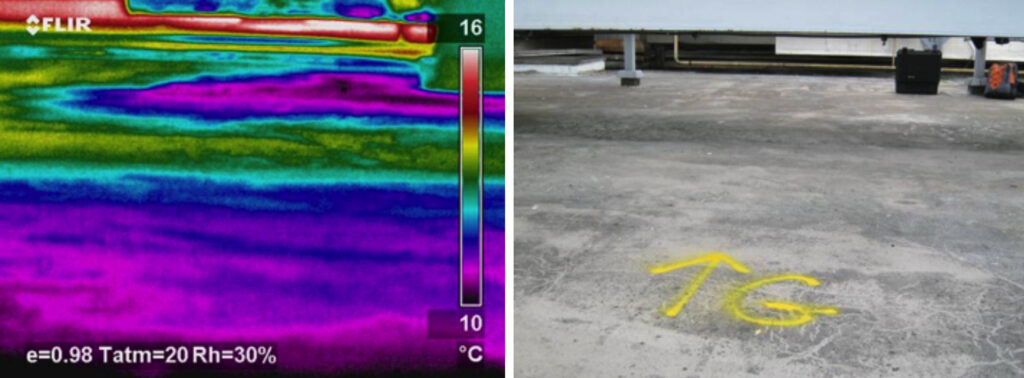
FLIR TG267 Thermal Imager
Used by roofing professionals to detect trapped moisture or insulation problems under the roof surface.
Why it’s useful: Prevents guessing. It reveals hidden moisture before it causes costly damage.
Benefits of Using Technology in Roof Repairs
Technology has transformed how roofers assess and fix problems. Here’s how it helps:
Digital Inspections via Drones
Roofing drones like the DJI Air 2S capture high-resolution images and videos of hard-to-reach areas, increasing safety and accuracy.
Moisture Mapping Tools
Thermal imaging tools show moisture trapped within roof materials, helping roofers locate leaks without tearing everything apart.
Smart Estimation Software
Platforms like RoofSnap and Hover use measurements and AI modeling to provide accurate repair estimates quickly.
Real-Time Project Tracking
Homeowners can track repair progress via photos, notes, and updates sent directly from job management apps.
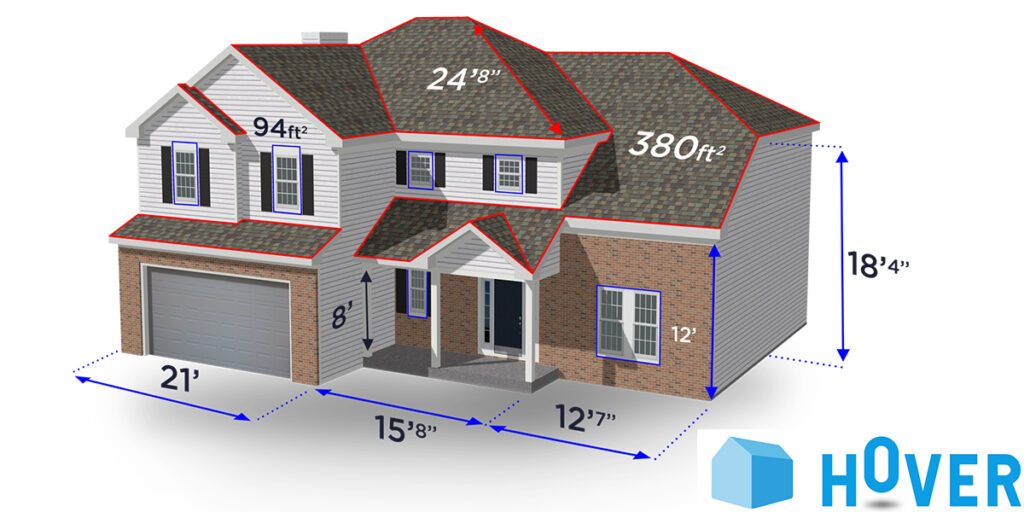
Hover Estimation Tool
Offers precise, 3D-based roof measurements to help with planning materials and labor.
Why it’s useful: Reduces waste and miscalculations, ensuring efficient and accurate roof repair jobs.
Real-World Examples of Roof Repairs in Action
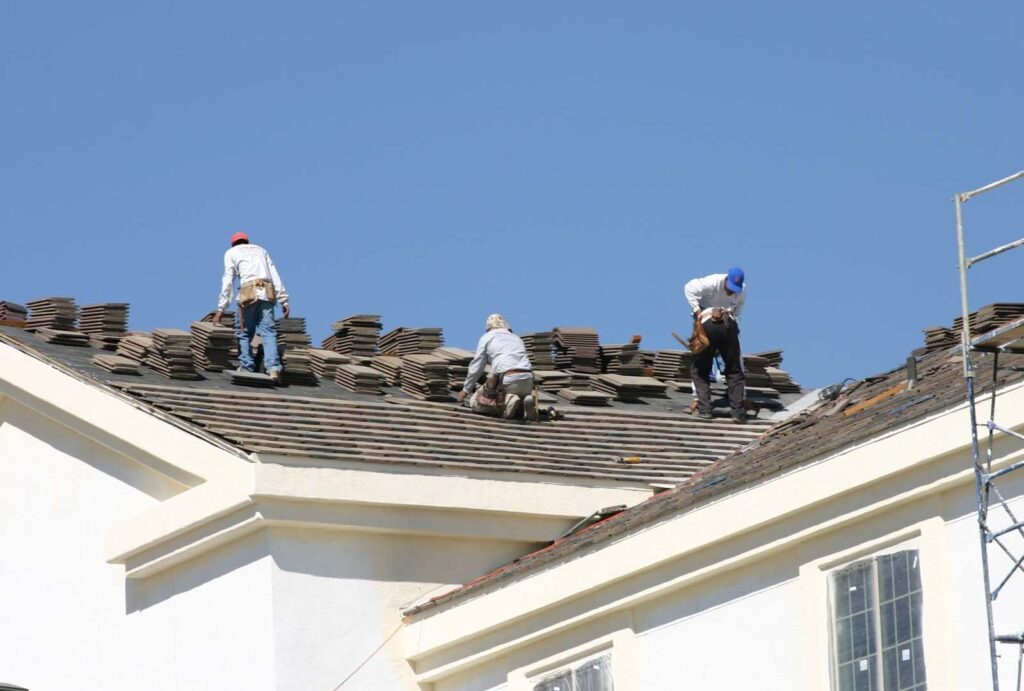
Asphalt Shingle Replacement in Houston, TX
After a severe hailstorm, a local roofing company replaced 25% of the home’s shingles and re-flashed the chimney, using drones for inspection and Hover for estimating materials.
Leak Detection in Minneapolis, MN
A roofer used a FLIR thermal camera to trace a water stain back to its source—a cracked flashing. The repair only took a da,y but prevented long-term structural issues.
Fixing Sagging Roof in Denver, CO
Sagging was caused by years of water buildup. Contractors reinforced the internal trusses and replaced the rotting decking with treated plywood.
Metal Roof Repair in Tampa, FL
Fasteners had loosened over time. Roofers re-fastened and sealed the seams with new waterproofing membrane using tools guided by a drone-based inspection.
Benefits of Timely Residential Roof Repairs
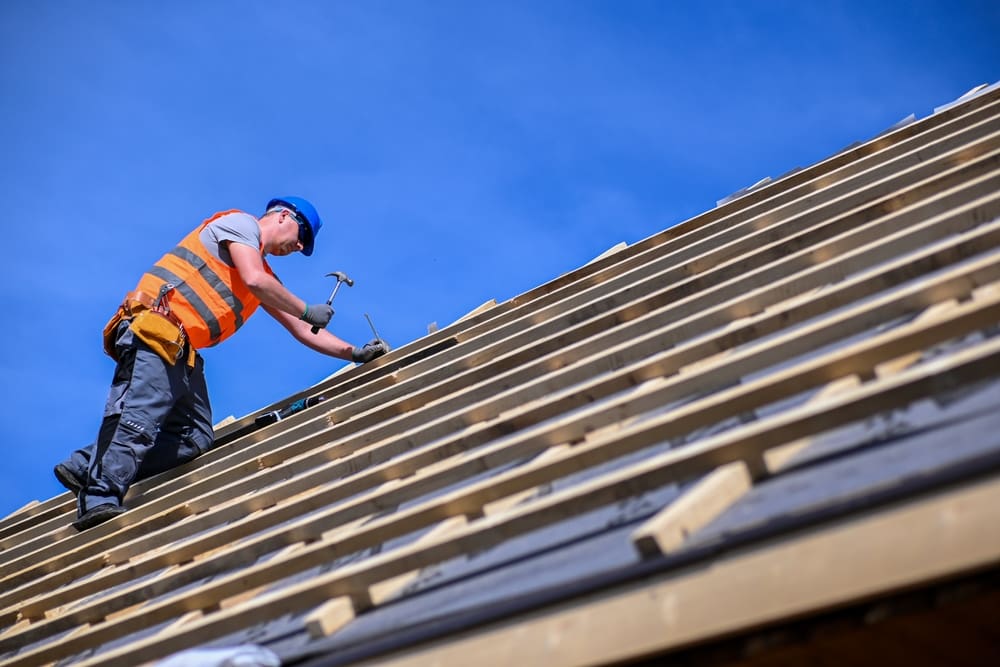
1. Prevent Structural Damage
Small problems can evolve into expensive disasters. Timely repairs maintain your home’s integrity.
2. Improve Energy Efficiency
A well-maintained roof keeps heat where it belongs, either inside or out, and supports HVAC efficiency.
3. Extend Roof Lifespan
Regular minor fixes can delay the need for full replacement by years.
4. Preserve Home Value
Whether you’re staying or selling, a roof in good condition adds value and curb appeal.
When Should You Schedule a Roof Repair?
After Extreme Weather
Whether it’s wind, snow, or hail, check your roof or schedule an inspection to catch storm damage early.
Before Selling Your Home
Buyers often request roof certifications. Fixing small issues before listing helps avoid delays or price reductions.
When Planning an Upgrade
Thinking of installing solar panels or attic ventilation? Address repairs first to ensure structural readiness.
Regular Maintenance
Even if nothing seems wrong, an annual check-up by a professional can prevent future surprises.
FAQ
Q1: How much does residential roof repair cost?
Costs vary depending on location, materials, and extent of damage. Most homeowners spend between $150 $1,500.
Q2: Can I do roof repairs myself?
Minor tasks like clearing gutters or replacing a few shingles may be DIY-friendly, but major repairs require professional expertise.
Q3: How long do roof repairs take?
Small fixes can be completed in a few hours, while larger jobs may take 1–3 days, depending on complexity and weather conditions.