When your roof reaches the end of its lifespan or sustains serious damage, finding trusted roof replacement companies near me becomes a top priority. Roof replacements are major home improvement projects that affect everything from your property’s energy efficiency to its market value.
In this article, we’ll guide you through the hallmarks of top-rated local roofing contractors, the latest technologies they use, and real-life project examples that show what excellent roof replacement looks like.
Why Local Roof Replacement Companies Stand Out
Working with a company near your home offers significant advantages. Local contractors understand your region’s weather patterns, material demands, and building codes.
They also tend to offer faster service, emergency response, and a higher level of accountability since their reputation is rooted in the community. From permits to inspections, they’re better equipped to navigate local requirements and expectations.
Technology That Enhances Roof Replacement Services
Modern roofing companies are using advanced tools to improve precision, safety, and project outcomes:
- Aerial Mapping and Measurements: Drones and satellite imaging produce accurate blueprints for pricing and planning.
- Thermal Leak Detection: Used before tearing off the old roof to identify water damage hidden under the surface.
- Cloud-Based Project Tracking: Let’s clients monitor progress, review photos, and receive updates in real time.
- Estimating Software: Quickly generates proposals and tracks materials based on square footage and pitch.
These technologies reduce guesswork and streamline every step of the roofing process.
Real-World Projects from Top Roof Replacement Companies
1. Suburban Home (Dimensional Shingle Upgrade)
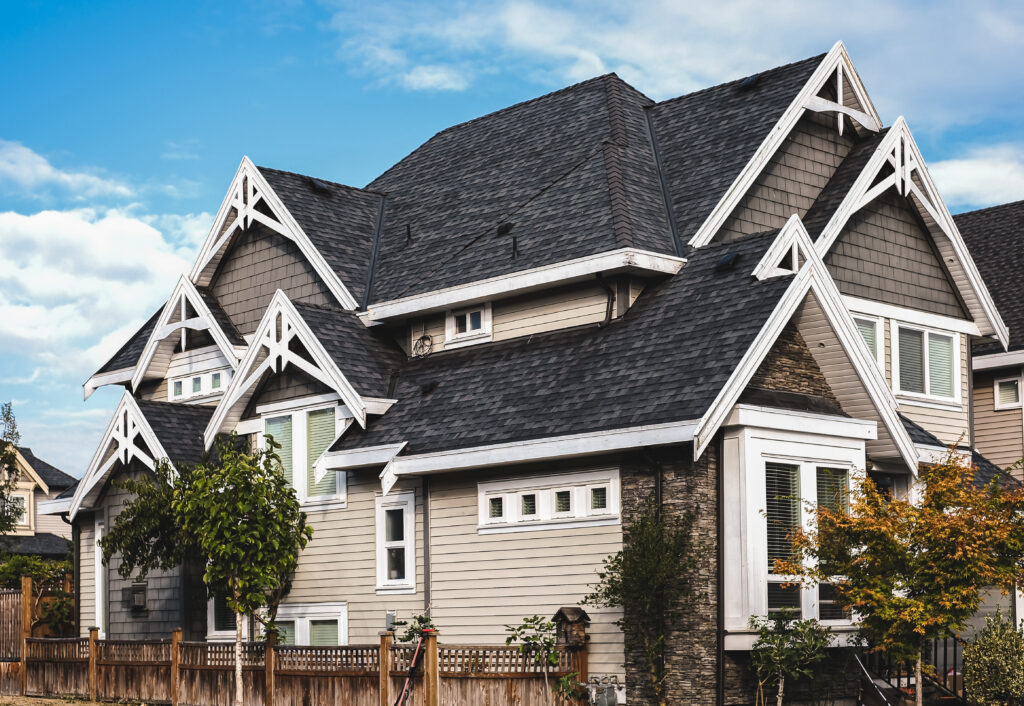
- Problem: Cracked and curling three-tab shingles from a 20-year-old roof.
- Solution: Replaced with dimensional asphalt shingles featuring wind resistance up to 130 mph.
- Relevance: Improved durability, aesthetics, and long-term warranty coverage.
2. Historic Property (Slate Roof Restoration)
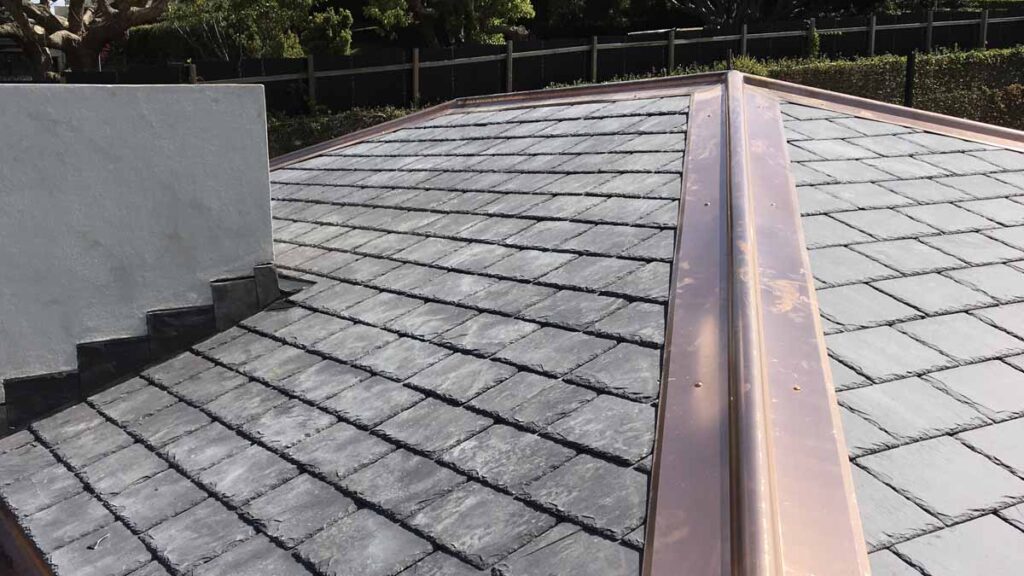
- Problem: Leaking original slate tiles and deteriorated underlayment.
- Solution: Removed damaged slate, installed synthetic underlayment, and carefully reset each tile.
- Relevance: Preserved the building’s historic value while improving water protection.
3. Multi-Family Building (Flat Roof Replacement)
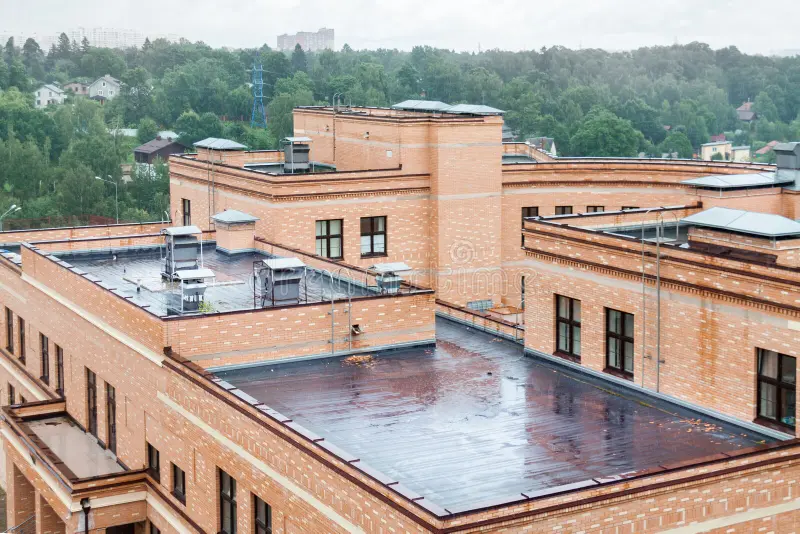
- Problem: Water ponding and interior leaks in top-floor apartments.
- Solution: Installed TPO membrane system with tapered insulation and integrated drains.
- Relevance: Stopped leaks, improved drainage, and lowered cooling costs.
4. Coastal Property (Metal Roof Replacement)
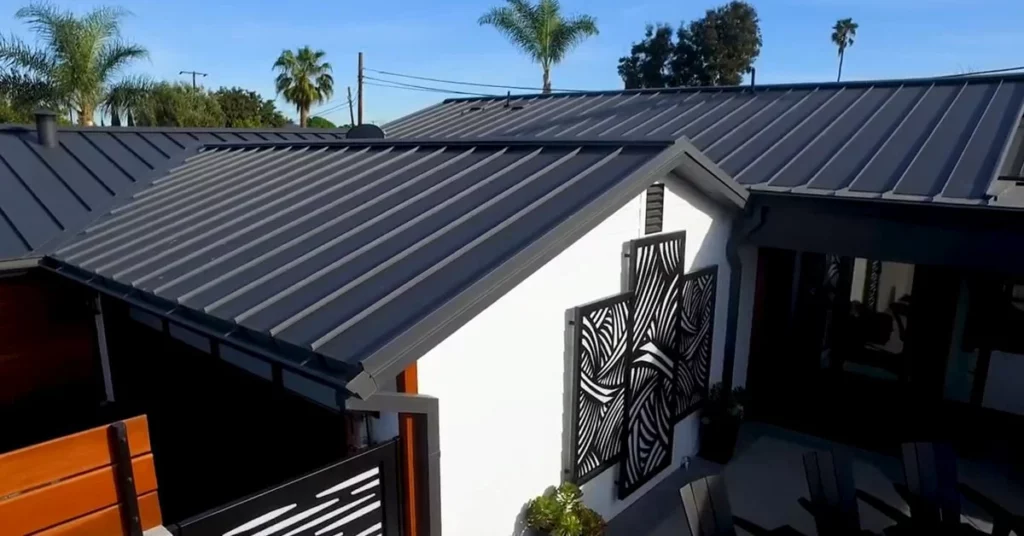
- Problem: Rusting and corrosion on an older metal roof.
- Solution: Replaced with a standing seam aluminum roof with coastal-rated coating.
- Relevance: Enhanced storm resistance and energy efficiency.
Benefits of Choosing Local Roof Replacement Experts
- Quicker Response Time: Particularly valuable after storms or when scheduling inspections.
- In-Depth Regional Knowledge: Materials and methods tailored to local climate and codes.
- Community Connection: More likely to stand by their work and honor warranties.
- Material Familiarity: Understanding what works for both aesthetics and performance.
- Permit Efficiency: Navigating city or county regulations without delay.
Hiring a nearby roofing contractor means getting personalized service and accountability that national chains can’t always match.
Common Scenarios When Roof Replacement Is Needed
- Storm and Hail Damage: After a major weather event, replacement may be more cost-effective than patchwork.
- Aging Roof Systems: Most roofs need full replacement every 15–30 years.
- Major Renovations: Adding solar panels or updating the entire exterior might require new roofing.
- Code Upgrades: Bringing older roofs up to code after selling or refinancing a property.
- Persistent Leaks: When repairs no longer resolve moisture issues, a full replacement is best.
These cases highlight how timely roof replacement can save money and protect property investments.
FAQ
1. How do I know it’s time to replace my roof?
Signs include frequent leaks, missing shingles, mold in the attic, or a roof older than 20 years. An inspection can confirm the need.
2. What’s the best material for roof replacement?
It depends on your location and style preference. Asphalt is versatile, while metal and tile offer better longevity and energy savings.
3. Will insurance cover my roof replacement?
Insurance may cover damage from storms, fire, or accidents. An inspection and claim process will determine eligibility.