Finding a trustworthy roof replacement contractor is crucial for any homeowner facing a failing or aging roof. The roof is the primary barrier protecting a home from water, wind, heat, and structural damage. Poor installation can lead to leaks, mold, high energy bills, and even property devaluation.
In this article, we cover the essential qualities to look for in a roof replacement contractor, the latest tech innovations they use, real-world case studies, and when to call a pro for replacement. You’ll also learn about the advantages of hiring experienced contractors over DIY or low-cost options.
What Makes a Roof Replacement Contractor Stand Out
Professional contractors are distinguished by their experience, commitment to safety, and workmanship guarantees. A great contractor will not only install a new roof but also evaluate your home’s overall ventilation, insulation, and energy efficiency.
Key signs of a high-quality roof replacement contractor include:
- Certifications and Manufacturer Partnerships: GAF Master Elite, CertainTeed Select ShingleMaster, etc.
- Strong Local References: Previous clients who attest to their professionalism and long-term results.
- Written Contracts and Clear Estimates: Transparency in costs, materials, warranties, and timelines.
- Skilled Crews: Trained installers using up-to-date practices, under direct supervision.
Contractors who deliver these qualities often help extend the lifespan and performance of a roofing system significantly.
Technology in Roof Replacement: Better Accuracy and Performance
Modern roofing contractors are leveraging cutting-edge tools that improve accuracy, safety, and outcomes.
- Drone Inspections: Safer, faster inspections with thermal imaging for moisture detection.
- 3D Modeling Software: Allows for virtual roof design, enabling precise cut plans and accurate measurements.
- Smart Nail Guns and Tools: Ensure consistent fastening depth and spacing, reducing human error.
- Customer Dashboards: Clients can track progress and receive digital project updates in real time.
These tools minimize guesswork and delays while providing verifiable documentation for both contractors and homeowners.
Real-World Roof Replacement Projects by Expert Contractors
1. Two-Story Brick Colonial (Architectural Asphalt Shingles)
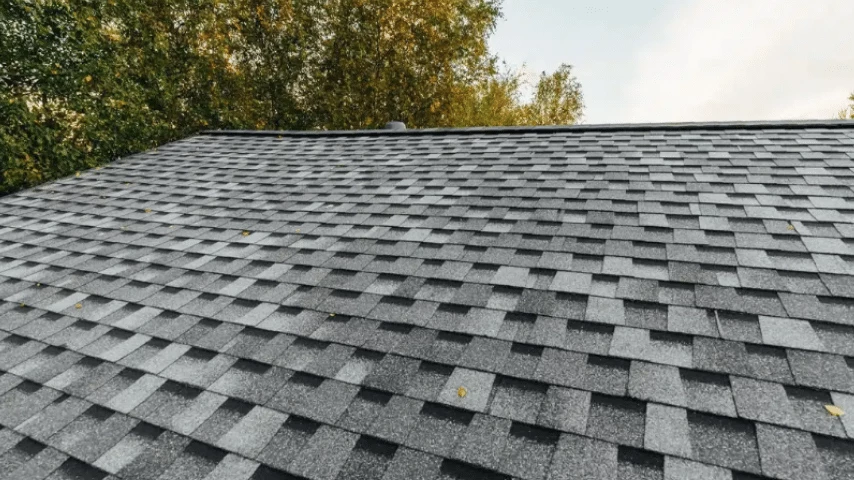
- Problem: Cracked and curling shingles, with minor roof leaks during storms.
- Solution: Replaced with high-performance asphalt architectural shingles and added a ridge vent system.
- Relevance: Boosted the home’s value and provided better attic ventilation.
2. Beachfront Bungalow (Metal Roofing System)
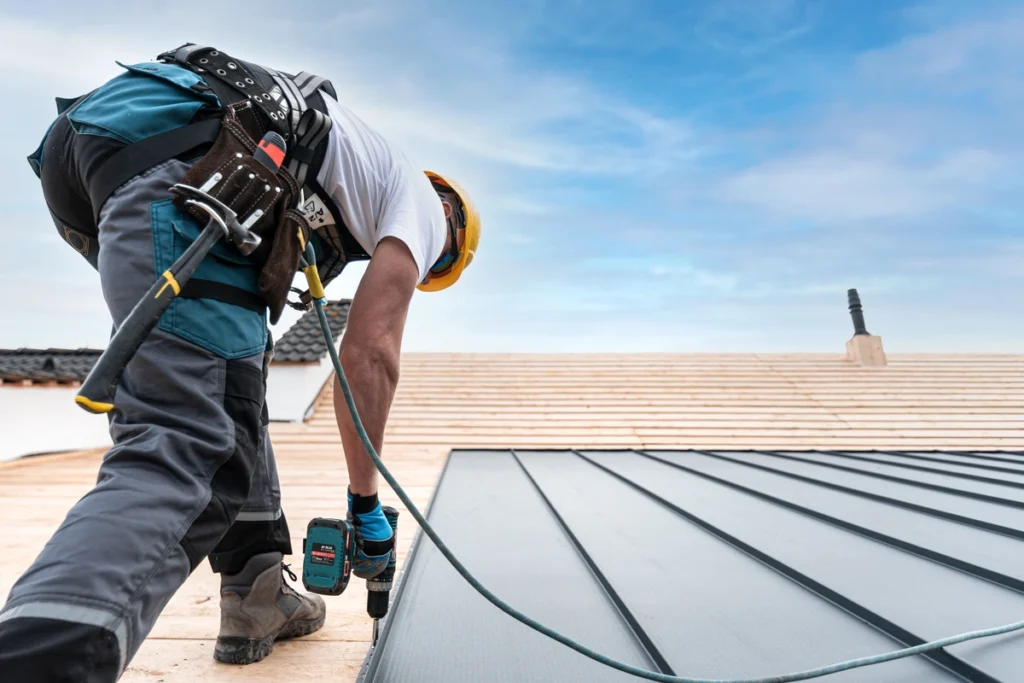
- Problem: Frequent wind and salt corrosion are damaging the old asphalt roof.
- Solution: Installed standing seam metal panels with anti-corrosion coating.
- Relevance: Enhanced durability and energy efficiency in coastal weather.
3. Urban Apartment Complex (Flat Roofing Replacement with TPO)
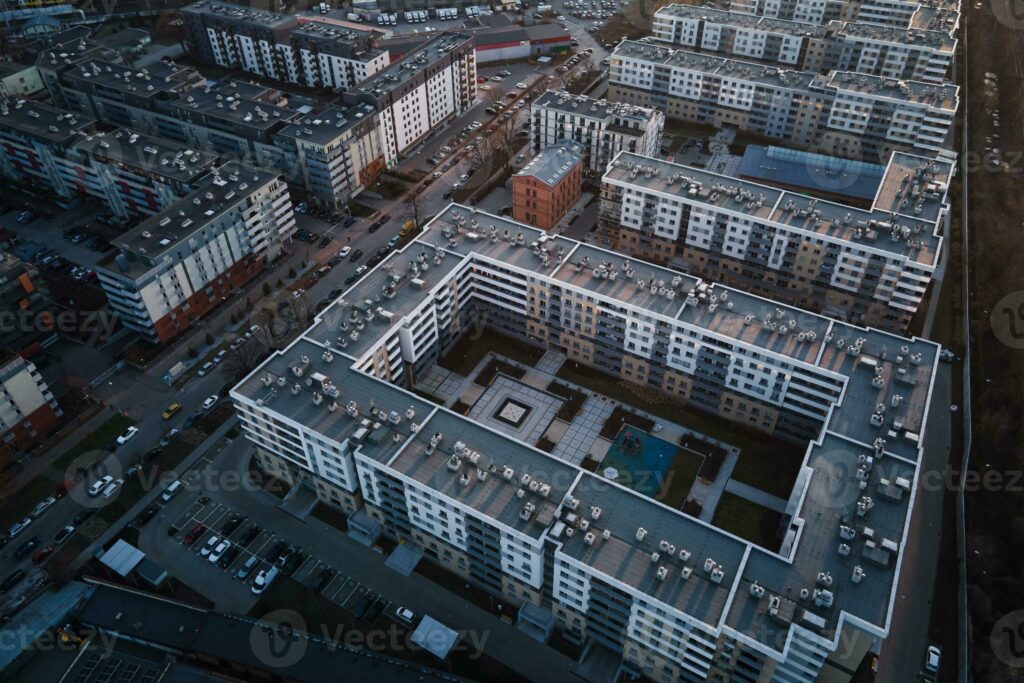
- Problem: Pooling water and UV damage cause leaks and high cooling costs.
- Solution: New TPO membrane with tapered insulation and reflective coating.
- Relevance: Improved waterproofing and energy savings for multi-unit buildings.
4. Suburban Craftsman Home (Synthetic Slate Shingles)
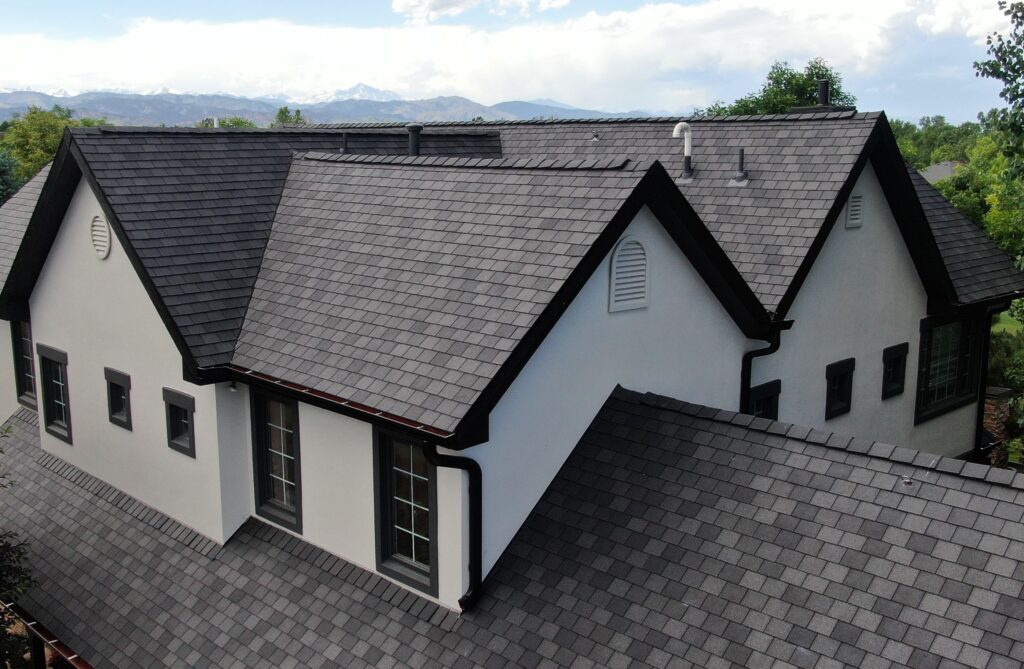
- Problem: Aesthetic concerns with outdated shingles on a historic-style home.
- Solution: Synthetic slate shingles installed with matching ridge caps.
- Relevance: Preserved the architectural style while increasing durability.
Benefits of Hiring a Certified Roof Replacement Contractor
- Correct Material Selection: Contractors know which roofing types work best for your climate and home structure.
- Expert Installation Techniques: Avoiding costly mistakes like misaligned flashing, poor ventilation, or nail pops.
- Access to Premium Products: Only certified contractors can offer extended manufacturer warranties.
- Insurance and Safety Compliance: Full coverage for workers and liability, protecting homeowners from risk.
- Code Compliance and Permits: Navigating permits, zoning laws, and inspections efficiently.
Hiring the right professional translates into fewer repairs, increased home value, and peace of mind.
When Should You Contact a Roof Replacement Contractor?
- End-of-Life Roof Systems: Asphalt shingles typically last 20–25 years. If yours is nearing that, it’s time to replace.
- Storm or Tree Damage: Visible damage, especially after major weather events, requires immediate inspection.
- Sagging or Uneven Roof Lines: These indicate structural issues or rot.
- Higher Energy Bills: Poor insulation or ventilation from a failing roof can raise heating and cooling costs.
- Mold or Staining in Attic: Often a sign of leaks and moisture buildup under the roof decking.
A timely replacement can prevent thousands in future repairs and restore comfort and safety.
FAQ
1. How much does a typical roof replacement cost?
Costs vary widely depending on materials, roof size, and region, but average residential replacements range between $7,000 and $15,000.
2. Will my homeowner’s insurance cover roof replacement?
If the damage is due to a covered peril like hail or wind, insurance may cover partial or full costs. Always review your policy and consult your provider.
3. How can I verify that a roofing contractor is qualified?
Check for certifications, licenses, Better Business Bureau ratings, and local references. Many quality contractors also offer before/after portfolios and client testimonials.